Thai Massage: Benefits, Techniques, and What to Expect
Calm hands, gentle stretches, and a slower breath can change the way your whole body feels in a single session. Thai Massage is an old healing practice, not a passing spa trend, and it blends pressure, movement, and assisted stretching in a way that feels both grounding and energizing.
If your back feels tight, your shoulders stay locked up, or you want relief that goes beyond surface-level relaxation, this style may be exactly what you need. It can also be a smart choice when you want a treatment that supports flexibility, circulation, and stress relief at the same time.
In the next sections, you’ll see where Thai massage comes from, what its main benefits are, what a session feels like, and how to tell if it’s the right fit for you, especially when you’re choosing the right massage session.
The roots of Thai Massage and how it became a healing art
Thai Massage has a long memory. Its story reaches back more than 2,500 years, to a time when healing, prayer, and daily life were closely linked. What we call Thai massage today grew from a mix of Indian, Thai, and Chinese healing traditions, then took shape inside temples and traditional medicine circles.
 At the center of that history is Jivaka Kumar Bhaccha, also known in Thailand as Shivago Komarpaj. He is the figure most often linked to the origin of Thai massage, and he is remembered as a master healer whose knowledge shaped this practice for generations.
From ancient medicine to modern spa rooms
Thai massage began as part of traditional healing, not as a luxury treatment. Monks and healers used touch, pressure, stretching, and herbal knowledge to support the body, ease pain, and restore balance. The practice grew within Buddhist temple life, where healing was tied to discipline, care, and respect for the body.
As the tradition spread across Thailand, it absorbed ideas from local Thai healing methods, Chinese acupressure, and Indian medicine. That blend gave Thai massage its distinct rhythm, with firm pressure along energy lines, assisted stretches, and a slow, focused pace. In other words, the bones of the practice stayed the same, even as the setting changed.
Over time, Thai massage moved beyond temple courtyards and into modern wellness spaces. Today, you can find it in quiet spa rooms, luxury hotels, and wellness centers around the world, including places that pair it with other treatments like traditional hot oil techniques. The setting may feel modern, but the hands-on method still carries the same old wisdom.
Why the tradition still matters today
Thai massage still matters because it holds two kinds of value at once. It is a living part of Thai cultural heritage, and it is also a bodywork method people still trust for relaxation, mobility, and care.
That balance is rare. Many old practices fade when they leave their original setting, but Thai massage kept its core identity. It still uses careful pressure, stretching, and attention to the body’s energy lines, so each session feels connected to something older than the spa chair.
The tradition stays alive because it works on both levels, culture and care.
For many people, that is what makes Thai massage special. It is not just a treatment for tight muscles. It is a practice with history in its hands, and that history still shapes the way it feels today.
What happens during a Thai Massage session
Thai Massage feels active, but it still stays calm. You usually lie on a floor mat, stay fully clothed, and move through a steady mix of pressure, stretching, and guided motion. The pace is unhurried, so your body has time to loosen instead of bracing against the work.
A good session often begins with a short check-in. The therapist asks about sore spots, pressure level, and any areas that need extra care. After that, the treatment builds in a smooth flow, with your body guided through different positions as the therapist works from your feet upward.
 ### The hands-on techniques that make it different
Thai Massage uses more than simple rubbing. The therapist applies pressure with hands, thumbs, palms, elbows, and sometimes forearms to ease tight muscles and stiff lines in the body. That pressure often comes in slow, rhythmic waves, which helps the muscles let go without feeling rushed.
Along with compression, the therapist uses assisted stretching. Your legs may be opened gently, your spine may be twisted a little, and your hips may be guided into a longer position. The movement is controlled and smooth, so it feels more like being unfolded than pushed.
Body weight matters too. Instead of using only arm strength, the therapist leans in with balance and control. That gives the session a grounded feel, with firm pressure that can still stay comfortable. For many people, that mix creates a sense of release that massage lotion alone cannot match.
The best Thai Massage feels like steady pressure meeting gentle movement at exactly the right pace.
What areas of the body are usually worked on
Thai Massage is often a full-body treatment. It usually starts at the feet and legs, then moves through the hips, back, shoulders, arms, neck, and head when the session calls for it. Because the body is treated as a connected whole, one area often affects the next.
The lower body gets a lot of attention. Feet, calves, thighs, and hips often hold more tension than people expect, especially after long hours of sitting or standing. After that, the therapist may work on the back, shoulders, and neck to ease the build-up that follows a tight lower body.
Some sessions also include the head and scalp, especially near the end. That final work can feel like the volume has been turned down across your whole body. If you want a broader sense of the different massage options available in Nairobi, the massage in Nairobi guide is a useful place to compare styles.
How to prepare so the session feels better
Comfort makes a big difference. Wear loose, soft clothing that lets you bend and stretch easily, since Thai Massage is usually done without oil and with you fully dressed. Heavy jeans, tight waistbands, and stiff fabrics can get in the way.
A little hydration helps too. Drink water before and after the session so your body feels supported, especially if the treatment includes strong stretches or firm pressure. You don’t need to do anything extreme, just come in ready to relax.
Speak up during the session if the pressure feels too strong or if a stretch feels awkward. The goal is ease, not endurance, and a good therapist will adjust right away. The most useful rule is simple: comfort comes first, because the best session is the one your body can actually enjoy.
When you know what to expect, Thai Massage feels less mysterious and more inviting. The table, the floor mat, the pressure, and the stretches all work together to create a session that leaves you feeling longer, lighter, and more open than when you walked in.
The benefits people notice after Thai Massage
The first thing many people notice after Thai Massage is how different their body feels in simple, everyday movement. Bending, turning, walking, and reaching can feel easier, while the usual stiffness starts to fade into the background. The shift is often subtle at first, then easier to notice once you stand up and move around.
The benefits also show up in the mind. A session can leave you feeling calmer, less tense, and more settled in your own skin. For many people, that mix of physical ease and mental quiet is what makes Thai massage such a popular choice.
Why stretching can make the body feel lighter
Assisted stretching is one of the main reasons Thai Massage feels so freeing. When the therapist guides your body through gentle stretches, your muscles get a chance to lengthen in a way that is hard to do alone. That can improve range of motion and make tight areas feel less locked up.
You may notice it in ordinary motions. Reaching for a shelf feels smoother, bending to tie your shoes feels less tight, and getting out of a chair can feel easier on your hips and back. Even walking can feel lighter when your legs and lower body are not holding so much tension.
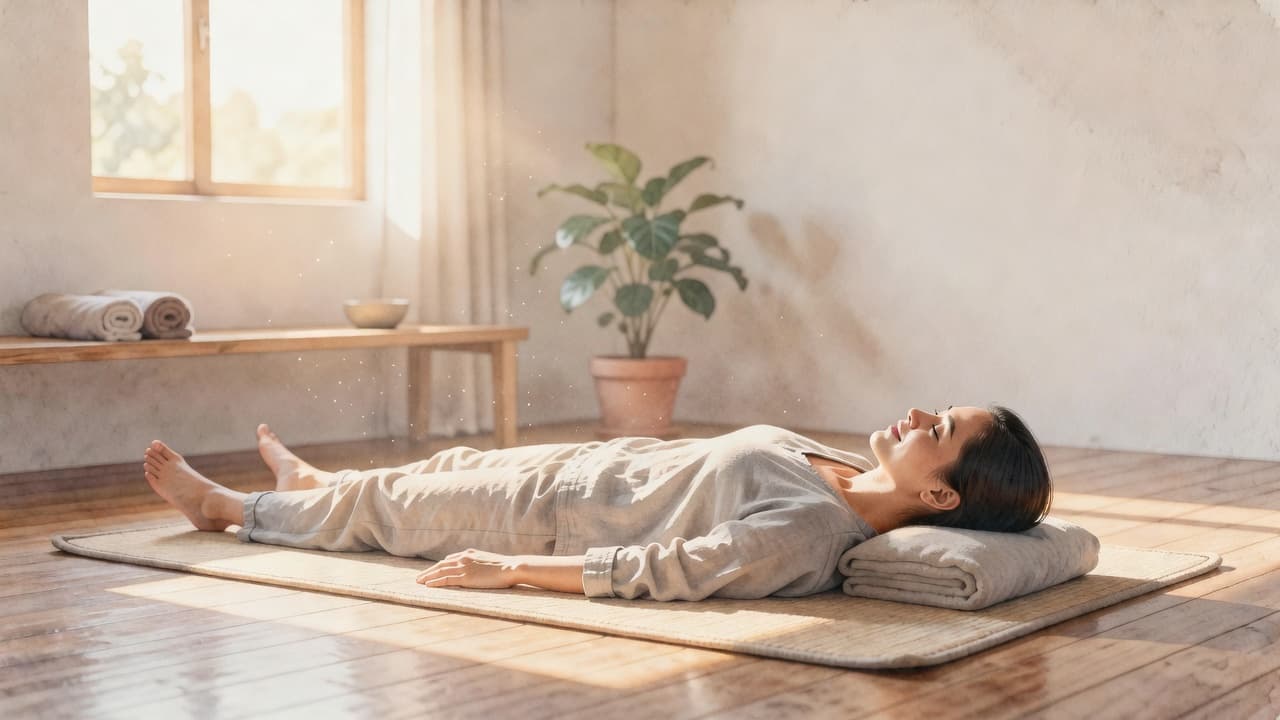 That loosening effect is one reason people return to the treatment. It helps the body feel less guarded, especially after long hours of sitting, standing, or training. If you want a broader look at how regular sessions support well-being, the top health benefits of regular massage gives useful context.
How Thai Massage can support stress relief
Thai Massage is physical work, but the calmer side of the treatment is easy to feel. As the pressure settles in and the stretches slow down, breathing often becomes deeper without much effort. The body starts to unclench, and the mind tends to follow.
That can feel like less noise in your head. Thoughts that were racing before the session may slow down, and the constant background tension starts to soften. Many people leave with a calmer mood and a lighter emotional load, even if they came in feeling overloaded.
A few small signs often show up right away:
- Slower breathing: The body settles into a more relaxed rhythm.
- Less mental noise: Busy thoughts often feel less crowded.
- A sense of release: Tight spots ease, and that can affect your mood too.
A good session leaves room for your nervous system to quiet down, not just your muscles.
For people who want this kind of steady relaxation, Thai massage can feel more active than other styles and still leave you deeply rested. If you enjoy gentler sessions with a similar calm effect, Swedish massage is also a useful point of comparison.
When pain relief is part of the story
Many people look to Thai Massage because of stubborn tension in the neck, shoulders, lower back, and legs. Those are common places for stress to settle, and the combination of pressure and stretching can help those areas feel less tight. Some people also say it helps with soreness after long days, workouts, or travel.
The response is not the same for everyone, though. One person may feel loose right away, while another notices the change later in the day or the next morning. A few people also report better sleep or fewer headaches, especially when their headaches are tied to tension, but those results vary.
Thai massage can support comfort, yet it is not a replacement for medical care. If pain is sharp, severe, or linked to an injury or health condition, a doctor should be part of the conversation first. The safest approach is to treat massage as support for the body, not a cure for a medical problem.
When it fits well, the benefits are easy to understand. The body feels freer, the mind feels quieter, and movement feels less like a chore.
How to decide if Thai Massage is the right fit for you
Thai Massage works best when your body wants more than simple relaxation. It suits people who feel stiff, spend hours at a desk, train hard, or like a treatment with a little more pressure and movement. Because it combines stretching and focused touch, it can feel especially good when your body needs space to open up.
Still, the right fit depends on your comfort level and your health. If you want firm bodywork, active stretching, and a session that leaves you feeling looser, this style may be a strong match. If you need a lighter touch or have a sensitive condition, a gentler option may be better.
 ### Signs you may love this style of bodywork
Thai Massage often suits people who feel held together by knots, tension, and long hours of sitting. If your shoulders round forward, your hips feel tight, or your legs feel heavy after work, this kind of bodywork can bring welcome release.
It also appeals to people who like a more active session. Instead of lying still for a passive rubdown, you move through stretches, pressure points, and guided positions. That makes it a good choice if you enjoy the feeling of your body waking up as the session goes on.
Many active people enjoy Thai Massage after workouts, long runs, or hard days on their feet. Likewise, if you like a firmer touch and want to feel more open through the back, hips, and hamstrings, this style often fits well.
A few signs point toward a good match:
- You sit for long hours and feel tight through the neck, back, or hips.
- You enjoy firm pressure and want more than a light spa treatment.
- You stretch often and like the feeling of your body moving with more ease.
- You want stress relief that feels physical, not just soft and soothing.
When to pause and ask for a gentler option
Thai Massage asks more from the body than some other styles, so caution matters. If you’re already sore, run down, or healing from an illness, a strong session may feel like too much. In those moments, a softer treatment can give you the rest your body actually needs.
Pay close attention if you have bone, joint, or nerve issues. Recent surgery, pregnancy, severe pain, inflammation, or an injury are all reasons to slow down and speak up before booking. Strong stretching or deep pressure can aggravate areas that need protection.
A gentler massage may be the better choice if you feel fragile, tender, or unsure about how your body will respond. The right session should leave you more comfortable, not more guarded.
If a stretch feels sharp, pinching, or unstable, it’s a signal to stop and adjust.
Good questions to ask before you book
A few simple questions can help you choose the right version of Thai Massage before you arrive. The answers tell you a lot about the pressure, the pace, and whether the session matches what your body needs.
Start with the basics, then move into the details that matter most to you:
- How strong is the pressure? Ask whether the therapist can keep it light, medium, or firm.
- How long is the session? A shorter appointment may suit you if it’s your first time or you want a mild introduction.
- Is oil used or not? Traditional Thai Massage is usually done without oil, but some places offer blended sessions.
- Do you offer traditional Thai Massage or a spa blend? Some spas mix Thai techniques with extra touches like oil, hot stone, or relaxation work.
- Can I share injuries or health concerns before we start? A good therapist should welcome that conversation.
If you’re unsure, ask for the most conservative version first. That gives you room to relax into the work and decide whether you want more pressure next time.
Choosing a Thai Massage in Nairobi that feels worth the visit
The right Thai massage in Nairobi should feel calm from the moment you walk in. You want a space that respects your time, a therapist who listens, and a session that feels steady rather than rushed.
A good spa does more than offer a treatment list. It gives you confidence before the first stretch begins. Clean rooms, clear communication, and trained hands make all the difference.
What a clean, calm spa should make you feel
A thoughtful spa feels organized the second you arrive. The front desk is ready, the room is tidy, and the space is quiet enough for your breathing to slow down. Nothing feels hurried or out of place.
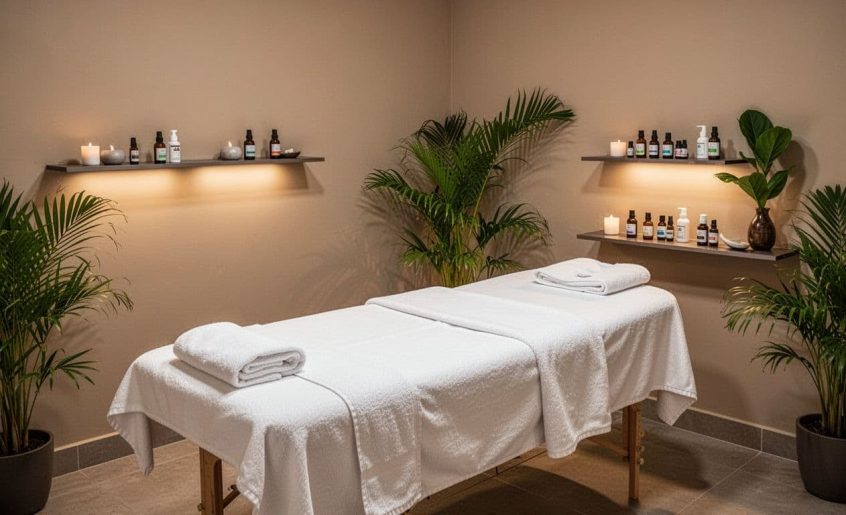
That calm matters because your body notices the room before the therapist starts. Fresh linens, clean floors, soft lighting, and a simple setup all signal care. A rushed place often feels noisy, cluttered, or awkward, and that tension can follow you onto the mat.
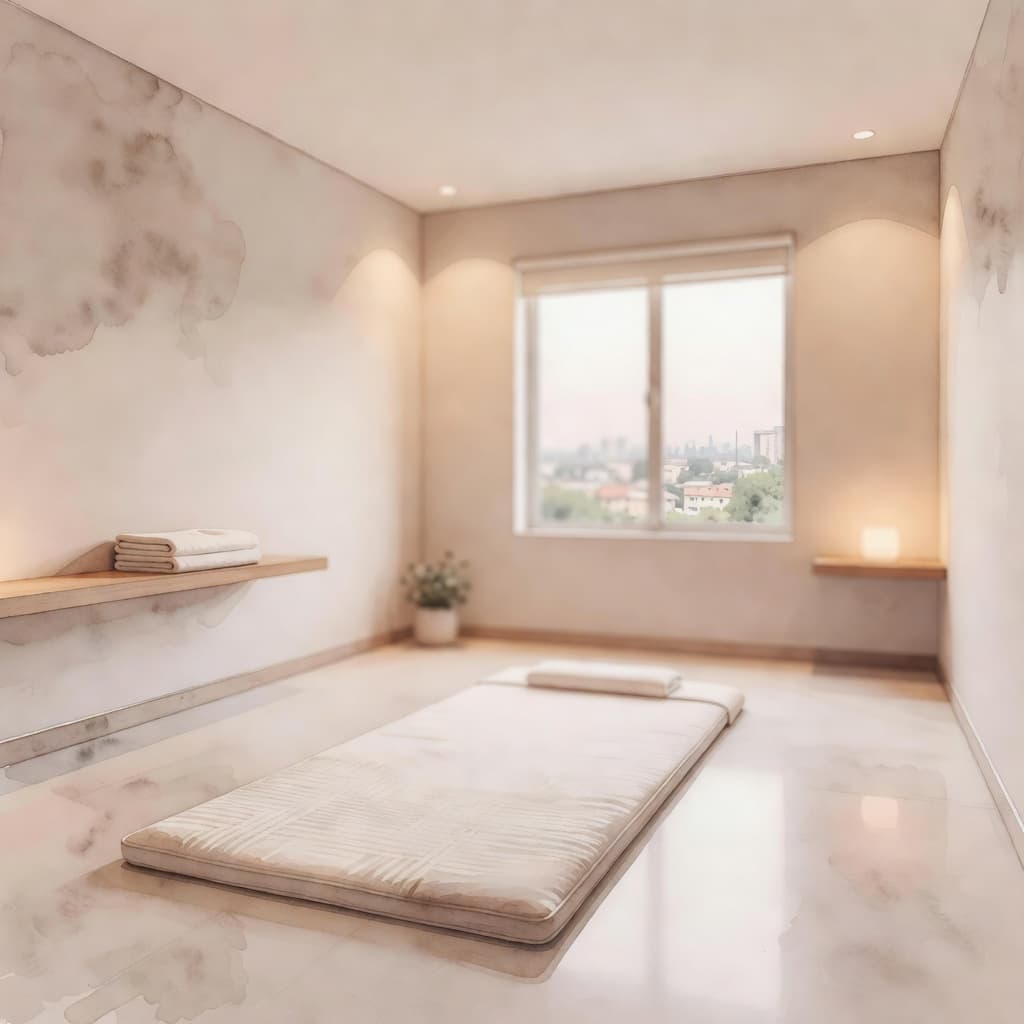 A good first impression often includes:
- Quiet reception: You should not feel crowded or rushed at check-in.
- Clean treatment rooms: Linens, mats, and surfaces should look well kept.
- Respectful staff: The team should speak clearly and give you space to settle in.
- Simple order: Bottles, towels, and tools should be arranged neatly, not left scattered.
If the room feels chaotic before the session starts, the massage may feel the same way.
Some spas also add extras like aromatherapy, hot towels, or music. Those touches can be lovely, but they should sit beside the massage, not replace it. For a basic Thai massage, the core experience should still be clear, focused bodywork unless extras are listed.
How to spot a therapist who knows the work well
A skilled therapist does not need to rush to prove anything. Their movement feels sure, their pressure checks are clear, and they adjust when your body asks for a change. That kind of control matters more than flashy promises.
Good communication is the first sign. The therapist should ask about sore spots, injuries, and pressure preference before they begin. During the session, they should check in when needed and notice your reaction without making you explain too much.
Confidence in movement is another clue. A therapist who knows Thai massage well moves with balance, not force. Stretches feel controlled, transitions feel smooth, and each position seems planned rather than improvised.
Look for these habits during the session:
- Pressure checks that feel natural and respectful.
- Clear adjustments when you say something feels too strong.
- Steady technique that stays even from start to finish.
- Flexibility to work around a tight shoulder, sore lower back, or sensitive leg.
A strong therapist also adapts the session to you. If your hamstrings are tight, they may soften the stretch. If your shoulders need more care, they may spend longer there and ease up elsewhere. That kind of attention turns a standard treatment into one that feels personal.
Why booking ahead can save stress
Booking ahead removes a lot of guesswork. You get the time you want, you avoid sitting around waiting, and the spa has time to prepare properly. That matters even more if you want a specific therapist or a quieter hour of the day.
It also helps when you have special requests. If you need a gentler stretch, have a sore area, or want to ask about session length, advance booking gives the spa a chance to get ready. A quick call or message can also confirm contact details, opening hours, and location before you leave home.
If you want to reserve a time, use the spa’s booking details or reach out through massage appointment options in Nairobi. A clear reservation feels better than showing up and hoping a slot is open.
Booking early also gives you room to compare the basics before you commit. Check the therapist’s training, ask what the session includes, and make sure the place matches the calm experience you expect. A little planning goes a long way when you want a Thai massage that feels worth the trip.
Conclusion
Thai Massage brings together old healing roots, guided stretches, and focused pressure in a way that still feels practical today. It can help the body loosen, the mind settle, and the whole session feel more complete than a quick rubdown.
What matters most is choosing the right level for your body. A good session should match your comfort, respect your limits, and leave you feeling more open without strain.
When it’s done well, Thai Massage can feel like a long breath after a full day, with the body uncoiling one careful stretch at a time.