
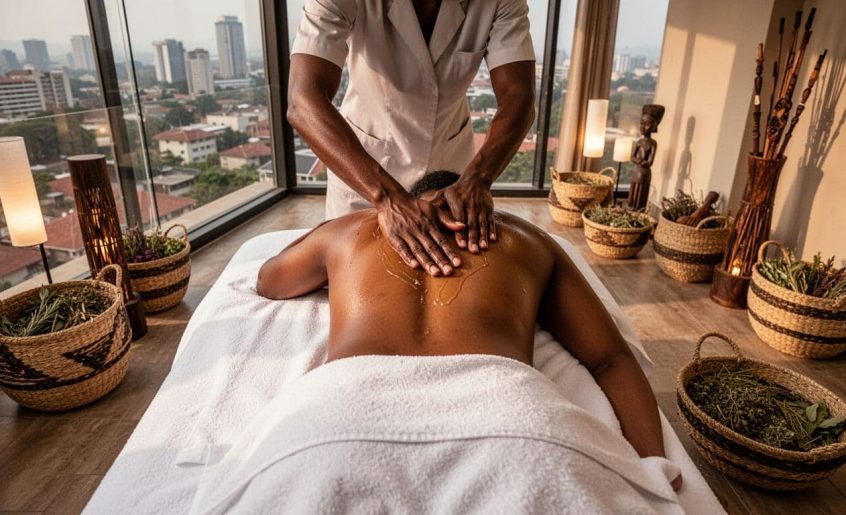
Thai Massage in Kilimani: What to Expect and Why It Helps
After a long day in Kilimani, Thai Massage can feel like a full-body reset, with slow pressure, steady stretches, and a pace that helps your body let go. It’s the kind of treatment people choose when tight shoulders, heavy legs, and mental fatigue all start showing up at once.
Many people come to it for relief, but they stay for the calm it brings. If your body feels stiff from work, traffic, workouts, or too many hours at a desk, this style of massage can give you the space to breathe again.
It also helps to know what makes Thai massage different before you book. The pressure, movement, and rhythm can feel new at first, so a clear explanation makes it easier to tell whether it fits your comfort level and your goals.
That’s why the next part breaks it down in simple terms, so you can see what Thai Massage feels like, why it helps, and how to decide if it’s the right choice for you.
What Thai Massage really is and why people love it
Thai Massage feels different because it works with your body instead of just on it. It blends firm pressure, assisted stretching, and steady movement into one flowing session, so you leave with a sense that your muscles have been loosened and your joints have had room to move again.
Many people like it for that exact reason. It feels active, but it still brings a calm, settled feeling by the end.
The traditional roots behind the practice
Thai Massage began as a healing tradition shaped by Thai culture, Buddhist influence, and old Asian bodywork methods. Over time, therapists passed the practice down as a way to support comfort, flexibility, and balance in the body.
That history still matters because it gives the massage its rhythm and purpose. The treatment is not rushed, and it does not rely on a single technique. Instead, it follows a sequence of pressure points, stretches, and guided motions that feel intentional from start to finish.
Thai Massage has a long, practical history. That is part of why it feels so structured and complete.
For many clients, that background adds trust. You are not just booking a spa treatment, you are choosing a method that has been refined for generations.
How Thai Massage feels during a session
A first-time session often feels like a mix of stretching, compression, and gentle movement. The therapist may use hands, thumbs, elbows, forearms, and sometimes even body weight to create steady pressure across different areas.
You may notice your legs being stretched, your hips opened, or your shoulders guided into positions that feel hard to reach on your own. There can also be soft rocking and slow transitions between movements, which help the body relax instead of resisting.
The experience can feel more active than a typical spa massage, yet it often ends with a calm, loose feeling through the whole body. Some people compare it to being “worked on” and “rested at the same time,” which is why it appeals to both tired muscles and busy minds.
A few common sensations stand out during a session:
- Pressure that feels steady and focused, not rushed
- Assisted stretching that helps tight areas open up
- Rhythmic movement that keeps the session smooth
- Joint release that can make the body feel lighter
- Warm relaxation that builds as the massage goes on
If you prefer a treatment that feels lively but still soothing, Thai Massage is often a good fit.
What makes it different from Swedish or deep tissue massage
Thai Massage is different from Swedish and deep tissue massage in both method and feel. Swedish massage usually uses oil, long gliding strokes, and a more classic spa rhythm. Deep tissue massage focuses on slower, stronger pressure to work through stubborn muscle tightness.
Thai Massage takes another path. It is usually done on a mat rather than a massage table, and the client often stays fully clothed in loose, comfortable clothes. Because the therapist uses stretching and movement, the session can feel more interactive than oil-based treatments.
Here is a simple side-by-side view:
| Style | Main approach | Clothing | Oil used? | Best for |
|---|---|---|---|---|
| Thai Massage | Pressure, stretching, guided movement | Loose clothes | No | Stiffness, mobility, full-body release |
| Swedish Massage | Long strokes, light to medium pressure | Usually undressed, covered with a sheet | Yes | General relaxation, stress relief |
| Deep Tissue Massage | Slow, firm pressure on tight areas | Usually undressed, covered with a sheet | Yes, often | Chronic tension, sore muscles |
Thai Massage may be the better choice if your body feels tight, your hips or back need more movement, or you want something more dynamic than an oil massage. It also works well when you want relaxation without the slippery, table-based style that comes with many spa treatments.
What people often love most is the after-feel. The body feels open, the joints feel less boxed in, and the mind usually follows. That mix of relief and ease is what keeps Thai Massage popular with first-time visitors and regular clients alike.
The main benefits of Thai Massage for busy bodies and tired minds
Thai Massage fits people who feel pulled in two directions at once. Your body feels tight, your mind feels full, and both need a break that actually changes how you feel. That is where this style works well, because it addresses movement, tension, and calm in one session.
For someone with long workdays, active weekends, or too many hours in the same position, the appeal is simple. Thai Massage can help you feel looser, calmer, and more settled without needing a complicated wellness routine. It gives the body space to open up and the mind room to slow down.
Why it can help ease tight muscles and stiff joints
A lot of tightness builds in small ways. You sit for hours, walk on hard surfaces, train hard, or carry stress in your shoulders without noticing. Over time, the body starts to feel compressed, as if the muscles have gone a little flat and the joints have lost their easy glide.
Thai Massage works on that kind of tension with steady pressure and guided stretching. The therapist presses into areas that feel knotted, then moves the body through stretches that help the muscles lengthen again. That combination can make your back feel less locked, your hips less heavy, and your legs less stuck.
The effect is practical and easy to picture. A stiff shoulder can feel like a tight rope. After a session, that rope often feels more like a loose band. You may still feel the day in your body, but the sharp edges of the tension can ease.
This is one reason many people like Thai Massage after:
- Long desk hours, when the neck, back, and hips feel fixed in one position
- Lots of walking, when the feet, calves, and thighs start to feel dense
- Training or exercise, when muscles need room to release after effort
- Stressful workweeks, when the body holds more tension than the mind realizes
The best part is often the after-feel. You get up with a sense that your body has more room to move.
How it may support relaxation and lower stress
Thai Massage has a calm rhythm that helps the nervous system settle. The pace is usually slow and intentional, so your mind is not pushed to keep up. Instead, it gets a clear signal to stop scanning, planning, and reacting for a while.
That matters more than people think. When the body is touched with focus and care, it becomes easier to soften. The breath slows, the jaw loosens, and the shoulders stop holding themselves so high. In other words, the whole body gets a chance to stop bracing.
The session also has a human quality that many people find grounding. You are being moved with attention, not rushed through a routine. That can feel comforting when your days are full of noise, pressure, and mental clutter.
For busy minds, this kind of rest can feel like a pause button. You may walk in carrying email, deadlines, traffic, or family duties. You walk out with more space in your head and a little less weight on your chest.
That is why Thai Massage often appeals to people who want more than surface-level relaxation. It does not just help you sit still. It helps you feel settled.
Ways it may improve flexibility and body movement
Thai Massage often includes assisted stretches, and that is one of its biggest strengths. The therapist helps move your body into positions that may feel hard to reach alone, which can gradually help tight areas open up. Over time, that can support easier movement in the hips, legs, shoulders, and back.
People who feel physically tight usually notice this first. If your body has gone stiff from sitting, commuting, or repetitive work, those guided stretches can feel like a door opening after being stuck shut. Nothing feels forced, but the joints and muscles get a clear reminder of how to move with more ease.
Flexibility does not change in one session, of course. Still, repeated Thai Massage can help the body feel less restricted and more responsive. You may notice that bending, turning, reaching, or walking up stairs feels smoother after a while.
A few benefits often stand out:
- Better range of motion, especially in the hips, legs, and upper back
- Less feeling of tightness after long periods of sitting or standing
- More comfortable movement, which can help daily tasks feel easier
- A lighter body feel, especially when stiffness has built up over time
For people who already stretch, exercise, or stay active, this can be a useful support. For people who never stretch much at all, it can be even more appealing because the session does the work with you.
Why many people choose it for a full reset after a long week
By the end of the week, stress often shows up in the same places. The shoulders rise, the lower back feels tired, and the legs carry more weight than they should. The mind can feel just as crowded, with unfinished tasks and too little downtime.
Thai Massage gives those overworked areas a real break. It feels like stepping out of the week for an hour or two, then stepping back in with a different rhythm. That makes it especially attractive for people in Kilimani who balance work, errands, commutes, fitness, and family life.
The reset happens in layers. First, the body starts to release. Then the breathing changes. After that, the mind slows down because it no longer has to hold everything at once. That is why so many people leave a session feeling both rested and re-centered.
If your week leaves you with heavy shoulders, a tight back, or a mind that never fully switches off, Thai Massage can be a smart reset. It gives you a way to recover before the stress piles up again, which is often what busy bodies need most.
For anyone who wants a calm, hands-on treatment that feels useful as well as soothing, massage services in Kilimani can be a good place to start.
What to expect before, during, and after a Thai Massage session
A first Thai Massage session feels easier when you know the flow ahead of time. The day is calmer, the body relaxes faster, and you can focus on the treatment instead of small surprises.
The whole experience is usually simple, comfortable, and structured. You book ahead, arrive a little early, settle in, then let the therapist guide the pace from there. After the session, the body often needs a short window to absorb the work, so a little care goes a long way.
How to prepare so your session starts smoothly
Good preparation starts with a few small habits. Drink water earlier in the day, but don’t arrive overly full or dehydrated. A light meal about one to two hours before your appointment is ideal, because a heavy stomach can make stretching uncomfortable.
Plan to get there a little early so you have time to settle in. Rushing into a session with a fast pulse and a busy mind makes it harder to relax. A calm arrival sets the tone.
Before the therapist begins, speak up about anything that matters. Share sore areas, old injuries, recent surgery, pregnancy, joint pain, or any condition that affects pressure and movement. If a stretch usually feels wrong in your body, say so before it becomes a problem.
A few simple prep steps help most:
- Wear loose, comfortable clothing that lets you move easily.
- Avoid a heavy meal right before the session.
- Drink enough water without overdoing it.
- Mention pain points so the therapist can adjust.
- Arrive early if you want time to breathe and settle.
Clear communication at the start makes the whole session feel safer and more effective.
If it helps, think of the first few minutes as a quick check-in. Once the therapist knows your comfort level, the session can move with more confidence and less guesswork.
What happens during the massage itself
Thai Massage usually begins with you lying on a mat in comfortable clothes. The therapist starts with gentle pressure and slow movements, then gradually works into deeper stretches and more focused bodywork. The pace often feels like a steady rhythm rather than a fixed routine.
You may move through several positions during the session. One moment you could be on your back, then on your side, then seated. That change in position is normal, because it helps the therapist reach different muscle groups and joints with better control.
Pressure also changes along the way. Some parts feel soft and warming, while other parts feel firm and precise. The therapist may use hands, thumbs, forearms, elbows, or body weight to work into tight areas. When a stretch happens, it should feel strong but still manageable.
The flow often looks like this:
- The therapist checks in and begins with light pressure.
- Gentle compression helps the body ease into the work.
- Assisted stretches open the hips, legs, shoulders, or back.
- Pressure may increase on tighter spots.
- The session ends with slower movements that help the body settle.
Your part is simple, keep breathing and speak up when needed. If something feels too intense, let the therapist know right away. A good session stays within a comfortable range, and small adjustments can make a big difference.
Some discomfort can happen when tight muscles start to open, but sharp pain is never the goal.
People sometimes worry that Thai Massage will feel too rough. In practice, the session should feel controlled and responsive. The therapist is not trying to force the body into a shape it refuses to take. Instead, the work should feel like a gradual opening, almost like stiff hinges getting oil after months of use.
What to do after the session for the best results
After the massage, give your body a little room to settle. Drink water, rest if you can, and avoid jumping straight into a stressful schedule. The muscles have just done real work, and they usually respond best to a slower pace afterward.
A warm shower or a quiet walk can feel good later in the day, but keep it gentle. Heavy workouts, long runs, or intense tasks can wait if your body feels tired. The goal is to let the loosened muscles keep their new space instead of tightening right back up.
Pay attention to how you feel over the next several hours. Some people feel lighter right away. Others notice the full effect later, when the body stops guarding itself and the shoulders finally drop. A little soreness can happen after deeper work, especially if you were very tight before the session.
A few aftercare habits are worth keeping in mind:
- Drink water to help your body recover.
- Move gently instead of sitting stiffly for hours.
- Eat normally, but keep meals balanced and light if you still feel tender.
- Notice your posture, especially if you spend a lot of time at a desk.
- Book your next session based on need, not just habit.
If anything feels unusual, give it attention. Mild muscle tiredness is common, but pain that lingers or feels sharp needs a closer look. Most of the time, though, the body simply feels open, warm, and a little more at ease.
The best results often come from consistency. One session can help a lot, but your body remembers care best when it gets it regularly. That is why Thai Massage works so well for people who carry stress in the same places every week.
How to choose the right Thai Massage experience in Kilimani
Picking the right Thai Massage in Kilimani is easier when you know what to look for. The best session feels safe, clean, and well-matched to your body, not just pleasant on the surface. That means paying attention to the therapist, the space, and the kind of pressure you actually want.
If you’re booking near Kindaruma Road or looking for a calm place you can trust, don’t rush the choice. A good spa makes you feel comfortable before the massage even begins, and that first impression matters.
Signs of a skilled therapist and a well-run spa
A skilled therapist listens before they press. They ask about sore spots, injuries, sleep issues, or anything that could affect the session. Just as important, they check in during the massage and adjust pressure when your body asks for more or less.
Cleanliness is another clear sign. The room should smell fresh, the mat or massage surface should look tidy, and the linens or towels should feel well cared for. A calm room with soft lighting, neat setup, and no clutter usually tells you the spa takes its work seriously.
Respectful service also matters. You should never feel rushed, ignored, or pressured into a treatment that does not suit you. Good staff explain what to expect, give you privacy, and keep the tone relaxed from start to finish.
Look for these signs when you visit or call:
- Clear communication about the session style and what it includes
- Clean treatment areas with fresh linens and orderly spaces
- Respect for comfort before, during, and after the massage
- Pressure control that changes based on your feedback
- Calm, professional behavior that helps you settle in
A strong Thai Massage feels guided, not forced. The therapist should move with confidence, but also with care. If they seem to watch your response and ease up when needed, that’s a good sign they know how to work with different bodies.
Questions worth asking before you book
A few simple questions can save you from the wrong session. You don’t need a long interview, just enough to know whether the spa matches your needs and comfort level.
Start with the basics. Ask what kind of Thai Massage they offer, how long the session lasts, and whether the treatment is gentle, medium, or firm. If you have a preference, say it plainly.
These questions are especially useful before your first visit:
- What style of Thai Massage do you offer?\
Some sessions lean more toward stretching, while others focus more on pressure and release. - How strong is the pressure?\
This helps you avoid guessing, especially if you prefer a softer touch or a deeper session. - How long is the treatment?\
A shorter session can work well for targeted relief, while a longer one gives the therapist more time to work through the whole body. - Can you adjust for special concerns?\
Mention back pain, pregnancy, recent injury, sensitive joints, or anything else that matters. - What should I wear and bring?\
A good spa will guide you clearly, so you arrive prepared and relaxed.
If you already know what parts of your body need the most help, say that too. For example, you might want more focus on your shoulders, hips, or calves. That makes the booking more useful and helps the therapist prepare the right approach.
A clear question at booking often leads to a better session on the mat.
For returning clients, it still helps to speak up. Bodies change from week to week, and a session that felt right last time may need a different touch today.
Choosing between a gentle or stronger session
The best pressure depends on your body, not on what sounds impressive. Some people want a soft, steady session that eases stress and helps them unwind. Others want firmer work because their muscles feel dense, tight, or hard to move.
Gentle Thai Massage works well if you’re sensitive to pain, new to bodywork, or feeling tired rather than tense. It can also suit people who want relaxation more than deep release. The pressure stays lighter, the stretches feel easier, and the overall pace is usually slower.
A stronger session is better when your body feels packed with tightness and you want more direct work. If you sit for long hours, train often, or carry tension in the same spots every day, firmer pressure may help more. Still, strong should never mean harsh. A good therapist keeps the work controlled, not painful.
Use your own body as the guide:
- Choose gentle if you bruise easily, feel sore fast, or want calm over intensity
- Choose medium if you want a balance of comfort and release
- Choose stronger if you like deeper pressure and your muscles need more attention
- Choose lighter stretching if your joints feel stiff or your flexibility is limited
- Choose firmer work if your main goal is to ease thick, stubborn tension
Your daily routine also matters. If you need to return to work right after the session, a softer treatment may feel better. If you have time to rest afterward, a deeper session could give you more relief.
The smartest choice is the one that fits your current condition, not your guess about what you “should” handle. Tell the therapist what you want, then let them shape the session around that. When the pressure matches the body, Thai Massage feels more effective, more comfortable, and far easier to enjoy.
Conclusion
Thai Massage draws people in because it gives the body real relief without losing its sense of calm. The stretches, pressure, and steady pace work together, so tight muscles feel softer and movement feels easier. That is why it suits people who want more than a quick escape from stress.
It also fits the rhythm of busy life in Kilimani. After long hours at a desk, long walks, workouts, or traffic-filled days, the body often needs more than rest. It needs space to open up again. A well-done Thai Massage can provide that reset, with a clearer head and a lighter body by the end of the session.
What makes it stand out is how complete it feels. The session can ease stiffness, settle the mind, and leave you with a sense that your body is working with you again. For many people, that is the real reason they keep coming back.
When you’re ready for relief, calm, and better movement in one session, Thai Massage is an easy choice to trust. It offers a simple kind of care that feels good right away and stays with you after you leave.