Nuru Massage is a full-body massage style that began in Japan, and the word nuru means “slippery.” In plain terms, it uses a smooth, slick gel and close gliding contact to create a flowing, skin-on-skin experience that feels quite different from a standard oil massage. The mood is usually slower, softer, and more centered on sensation than on working one tight knot in your shoulder.
That difference is a big reason people are drawn to it. Instead of the usual hands-only routine, Nuru Massage is known for full-body gliding, steady movement, and a strong focus on relaxation, trust, and body awareness. For some people, that feels calming from the first minute, while for others it raises practical questions about comfort, privacy, and what a session is really like.
Because the style is more intimate and sensory than many other massage types, it helps to understand the basics before you book. Clear boundaries, consent, hygiene, and open communication matter as much as the technique itself. If you’re also comparing it with other massage types in Nairobi, that broader context can help you decide what suits your comfort level.
From here, it makes sense to start with what Nuru Massage is, where it came from, how a session usually works, what sets it apart, the possible benefits, and how to think about safety, consent, and comfort before you step into the room.
Nuru Massage, where it comes from and what makes it unique
If you’ve heard the name but never quite knew what sets it apart, this is the part that clears it up. Nuru Massage is not simply a massage with more oil or a softer room. Its roots, its gel, and its body-to-body glide give it a very different feel from the styles most people already know.
At its core, Nuru Massage is about smooth contact, flowing movement, and sensation across the whole body. That combination is what gives it its signature identity. To understand why it feels so distinct, it helps to start with where it came from and what the name itself points to.
The origin of Nuru Massage and the meaning behind the name
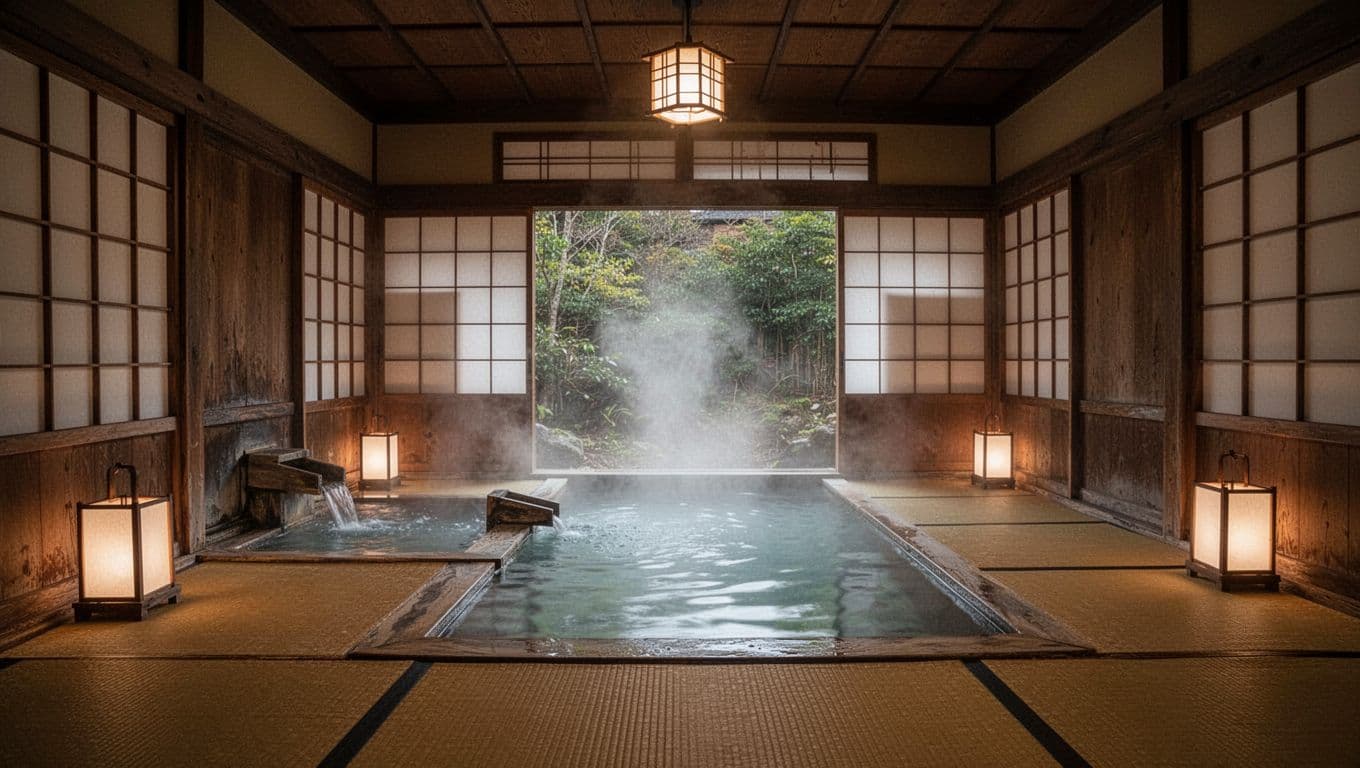
Nuru Massage is widely reported to have begun in Kawasaki, Japan. The style is often linked to bathhouse culture and private sensual massage settings, where warmth, water, and touch already shaped the experience. The history matters, but it doesn’t need to be dressed up. In simple terms, it came from a Japanese setting where slippery, full-body contact became the defining feature.
The word nuru is commonly understood to refer to something slippery or slick to the touch. That meaning fits the method perfectly. The name does not describe pressure or muscle repair. It points straight to the feeling, smooth, gliding, and almost friction-free.
That background helps explain why Nuru Massage feels less like a standard spa routine and more like a carefully choreographed flow. Instead of focusing first on knots, trigger points, or stretching, the style centers on surface glide, body awareness, and close-contact movement. In other words, the name tells you what the experience is built around from the start.
The gel, the glide, and the body-to-body style
The biggest physical difference in Nuru Massage is the gel. Unlike standard massage oil or lotion, nuru gel is usually described as thick, colorless, odorless, and seaweed-based. It creates a texture that feels almost silk-like on the skin. Once applied, it reduces drag so much that the body can move in long, fluid passes instead of short, broken strokes.
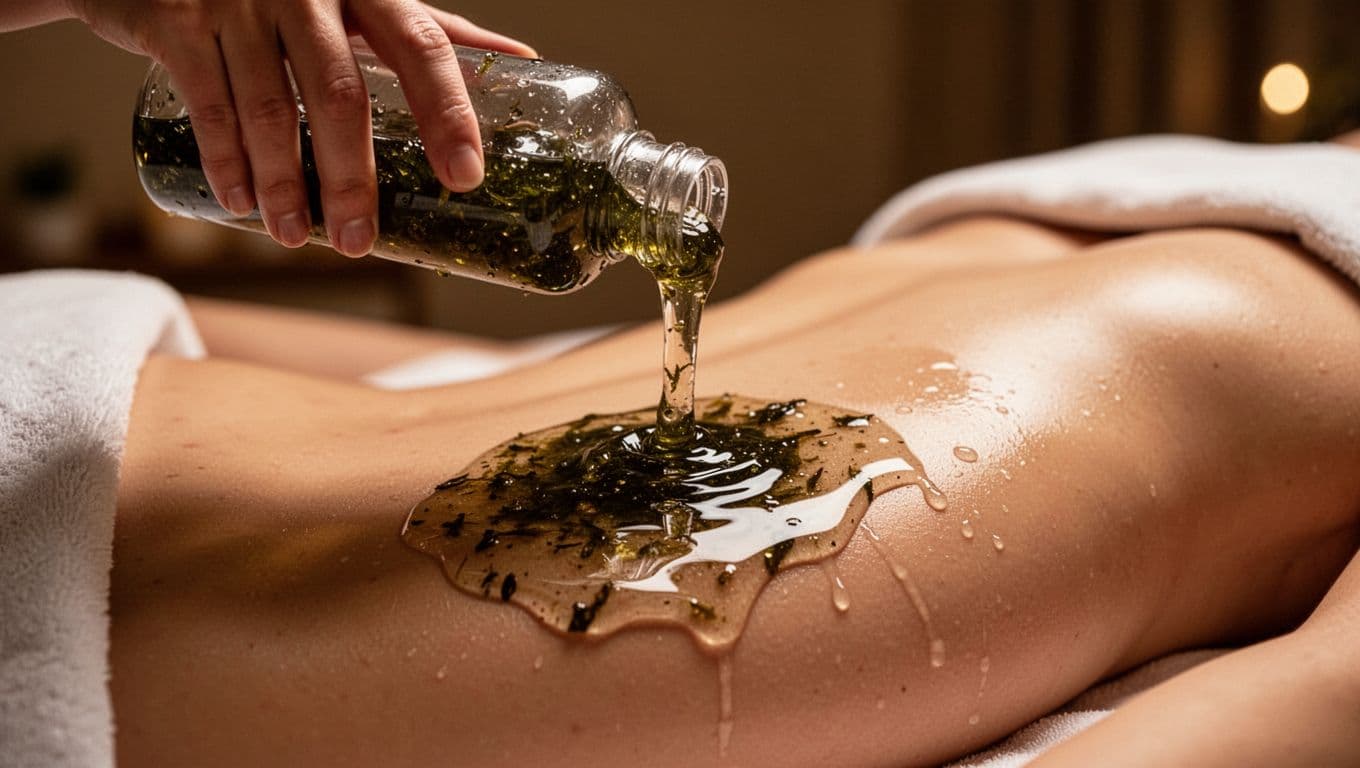
That change in texture changes the whole session. A hand-only massage tends to feel focused and local, one shoulder, one calf, one tight area at a time. Nuru Massage feels more like water flowing over stone. The contact is broader, smoother, and often more continuous.
Because the gel is so slick, it supports the style’s well-known body-to-body gliding. This is the piece that makes people instantly realize they’re not dealing with “just another oil massage.” Rather than relying only on palms, thumbs, forearms, or elbows, the session may use larger areas of the therapist’s body to create sweeping, connected movement across the client’s body.
That creates a few effects readers should understand clearly:
- The sensation is more immersive, because contact is spread across more of the body at once.
- The movement feels more fluid, because the gel reduces friction and helps each pass stay smooth.
- The pace often feels slower and more intentional, even when the body is in motion.
- The overall impression is more sensory than corrective, especially when compared with muscle-focused techniques.
In many other massage styles, oil is there to help the therapist work. In Nuru Massage, the gel is not a side detail. It’s the medium that makes the whole style possible. Without that slick seaweed-based layer, the signature glide would lose its identity.
If you’re comparing options across the city, a broader Kilimani massage types guide can help place Nuru alongside more familiar services. That context makes the differences easier to spot before you book.
In Nuru Massage, the gel is not just for comfort. It’s what creates the floating, skin-on-skin glide that defines the session.
How Nuru Massage differs from Swedish, deep tissue, and other common massage styles
The easiest way to understand Nuru Massage is to place it next to styles you already know. Swedish massage, deep tissue, hot stone, and sports massage each have their own purpose. Nuru stands apart because its method, contact, and feel come from a different idea of what the session should be.
Here is a quick side-by-side view:
| Massage style | Main technique | Typical pressure | Medium or tools | Body contact | Main purpose | Usual feel |
|---|---|---|---|---|---|---|
| Nuru Massage | Full-body gliding, close-contact movement | Light to medium | Thick seaweed-based gel | High, often body-to-body | Sensory relaxation, immersion, closeness | Slick, flowing, enveloping |
| Swedish massage | Long hand strokes, kneading, gentle work | Light to medium | Oil or lotion | Limited to hands and forearms | General relaxation, light tension relief | Calm, classic, soothing |
| Deep tissue massage | Slow, targeted pressure on deeper layers | Medium to firm | Oil or lotion | Hand, forearm, elbow work | Knots, chronic tightness, recovery | Focused, intense, corrective |
| Sports massage | Muscle-specific work, stretching, mobility focus | Medium to firm | Oil, lotion, stretching methods | Technique-based, not close-contact | Recovery and performance support | Practical, active, goal-based |
| Hot stone massage | Warm stones with gentle massage strokes | Light to medium | Heated stones and oil | Traditional therapist contact | Relaxation with heat | Warm, heavy, comforting |
The main differences come down to five things:
- Technique
Swedish and deep tissue use the therapist’s hands as the main tool. Nuru Massage uses glide and body movement as a core part of the technique. - Pressure
Deep tissue aims to work into stubborn tension. Nuru Massage usually does not chase that same firm, corrective pressure. - Tools and medium
Standard styles use oil, lotion, hot stones, or stretching. Nuru Massage relies on its signature gel, which creates a very different surface feel. - Body contact
This is where the gap becomes most obvious. Most common massages keep contact limited and localized. Nuru Massage is known for close, skin-to-skin gliding contact across larger areas. - Purpose and setting
Swedish may help you unwind after a long week. Deep tissue may target pain and stiffness. Nuru Massage is often chosen for a more sensory, intimate, and full-body relaxation experience.
That doesn’t make one style better than another. It makes them different tools for different moods and needs. If your goal is to loosen deep knots in the upper back, deep tissue probably fits better. If you want broad, flowing contact and a session centered on glide and sensation, Nuru Massage sits in its own lane.
For readers who want a broader look at familiar options, this guide to massage in Westlands helps show how Swedish, deep tissue, and other common styles are usually presented in a more traditional spa setting.
A simple way to picture it is this: Swedish massage feels like a calm conversation with your muscles. Deep tissue feels like focused repair work. Nuru Massage feels like continuous motion, almost like the body is moving through warm water instead of being worked section by section. That smooth, slick, close-contact style is what makes it memorable, and what makes it unique.
What happens during a Nuru Massage session, step by step
If you’ve never had a Nuru Massage, the unknown is often the biggest source of tension. The good news is that a well-run session should feel calm, clear, and easy to follow from the first minute to the last. Nothing should feel rushed, vague, or left to guesswork.
At its best, the session unfolds like warm water finding its path, smooth, steady, and guided by comfort. The setting, the pace, and the communication all matter just as much as the massage itself. Here is what that flow usually looks like in practical terms.
Before the session starts, hygiene, setup, and comfort come first
The session usually begins before any touch happens. First, the space is prepared to feel warm, private, and clean. Because nuru gel is very slick, the massage area often uses a waterproof mattress, vinyl-covered table, or padded mat that can handle moisture safely and comfortably.
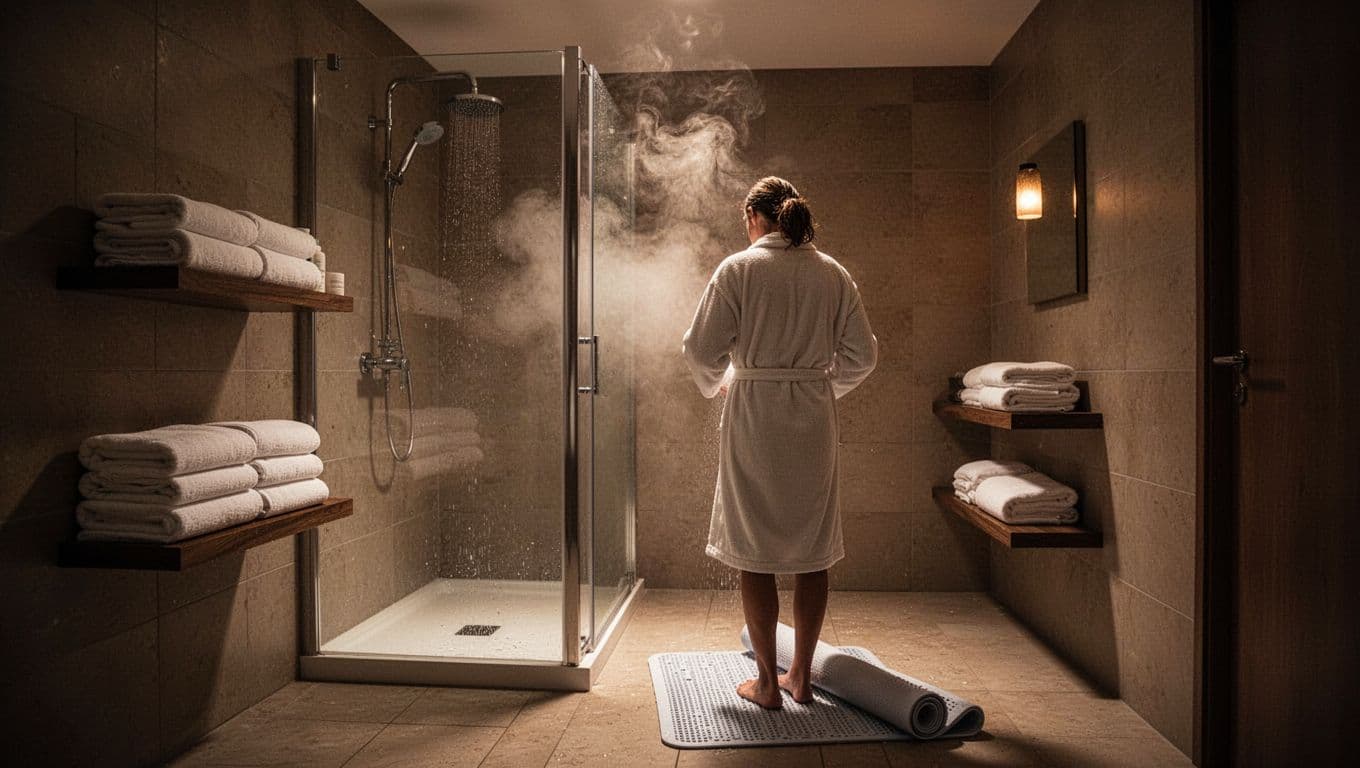
A warm room makes a real difference. If the air feels cold, your body tightens without thinking, and that works against relaxation. Soft towels, fresh linens, clean surfaces, and easy access to a shower help set the tone right away. In many professional settings, both the client and practitioner shower first. That step is not just about cleanliness. It also helps the body settle and prepares the skin for smooth glide.
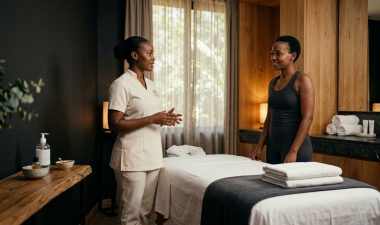
Just as important, there should be a short conversation before the massage begins. This is where a client can share comfort levels, ask questions, mention sensitive areas, and state any limits. Pressure, room temperature, pace, and areas to avoid should all be clear early on. If you want a broader view of clean booking standards, this guide to Preparation steps for Kilimani sessions and consent adds helpful context.
A strong setup often includes a few simple basics:
- The room is warmed in advance.
- Fresh towels and a waterproof surface are ready.
- A shower is offered before the massage.
- The gel and supplies are prepared nearby.
- Boundaries and preferences are discussed before touch starts.
A respectful Nuru Massage should never begin with guesswork. Clear talk comes first, then touch.
When those basics are handled well, the client doesn’t need to brace or wonder. Instead, the body gets the message that it’s safe to let go.
How the massage usually flows from the first touch to the final moments
Once the room is ready and communication is clear, the massage begins gently. In most cases, the practitioner starts with a calm, grounding touch rather than sudden movement. This first contact helps the client settle into the rhythm of the session. Think of it like easing into a warm pool instead of diving in all at once.
The next step is the application of warmed nuru gel. The gel is usually spread across the body in a smooth, even layer so the skin can glide without drag. Because the gel is water-based and very slick, it creates a floating feel that is different from oil or lotion. The purpose is simple, reduce friction and keep the movement continuous.
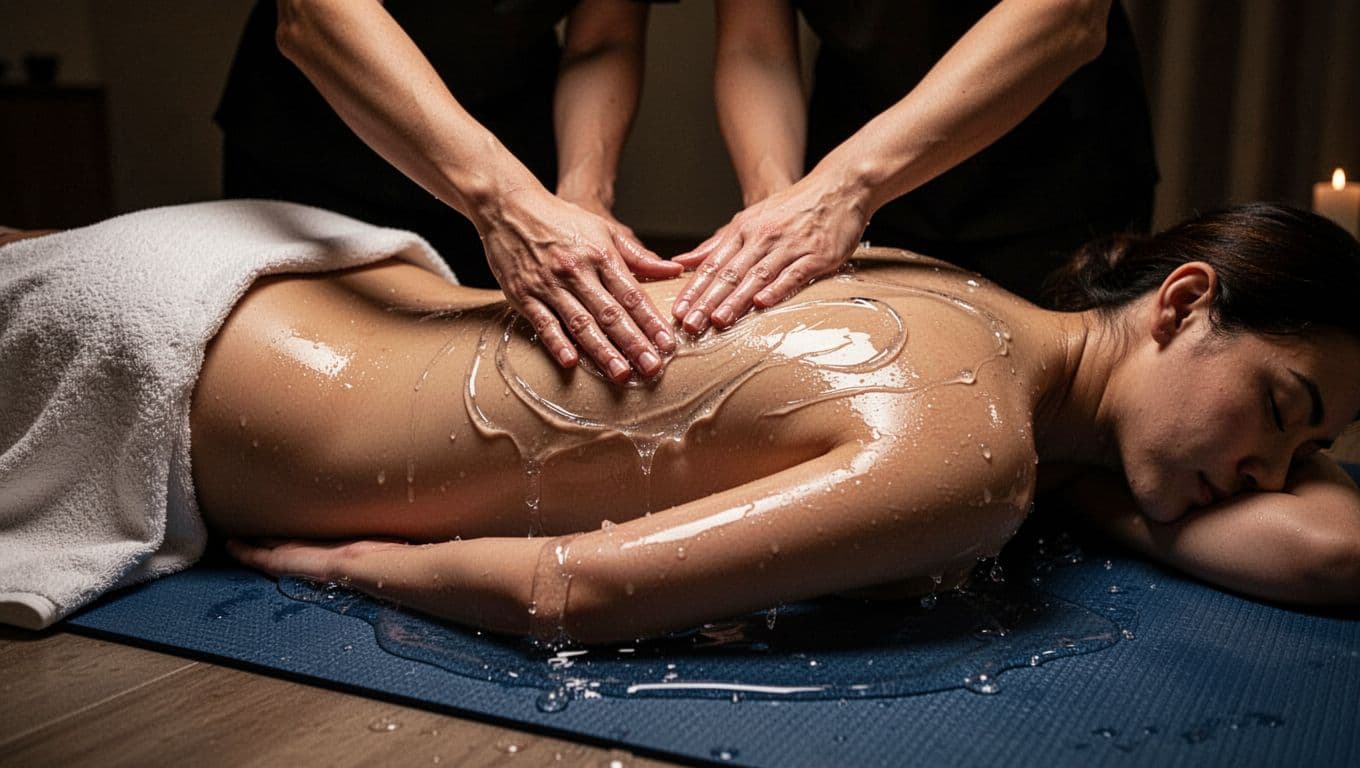
From there, the flow tends to stay slow, connected, and rhythmic. A practitioner may use hands first, then broader full-body gliding movements as the session continues. Rather than working one small spot for a long time, a Nuru Massage often moves across larger areas in long passes. That gives the massage its signature feel, less stop-and-start, more glide and flow.
Although every practitioner has a different style, the broad rhythm often looks like this:
- A calm first touch to help the client settle.
- Warm gel applied in stages for even coverage.
- Gentle hand work to begin the session.
- Smooth full-body gliding movements as the session builds.
- A steady pace with occasional check-ins.
- A slower finish that lets the body come back to rest.
The mood usually stays soft and unhurried. Some moments may focus on the back, legs, shoulders, or other broad muscle groups, while others emphasize fluid movement across the whole body. The pressure is often light to medium rather than deep or corrective. This is not usually the kind of massage that chases stubborn knots with strong elbow work. Instead, it leans into immersion, glide, and body awareness.
A good session also has a clear ending. Rather than stopping abruptly, the pace often slows in the final minutes. That gives the nervous system time to land. The last part should feel like a gentle exhale, not a hard stop.
Why consent, boundaries, and communication shape the whole experience
This part is not a side issue. It shapes everything. Because Nuru Massage involves close contact and a strong sense of bodily trust, the session only works when both people understand the limits clearly and respect them fully.
Consent should be specific, informed, and ongoing. That means a client knows what type of touch to expect before the session starts, agrees to it clearly, and can change their mind at any point. A simple yes at the beginning is not enough if comfort changes later. Good communication stays active throughout the session.
For that reason, clients should feel free to speak plainly. You can say:
- “Please use lighter pressure.”
- “I’d like you to avoid that area.”
- “I need a pause for a moment.”
- “The room feels a bit cold.”
- “I’m not comfortable continuing with that.”
There is nothing awkward about that. In fact, those statements help the session stay respectful and relaxed. Silence can create confusion, while honest words clear the air. A skilled practitioner won’t treat feedback as a problem. They will treat it as part of the work.
This also means you should know your own limits before the massage starts. If you have sore areas, skin sensitivity, past injuries, or emotional discomfort around close touch, say so early. The more clearly you name your boundaries, the easier it is to create a session that fits you rather than a generic routine. Readers who want extra guidance can also look at Hygiene and consent in South B spa visits for practical safety tips.
Mutual clarity matters because comfort is not static. It can shift during a session. A respectful practitioner checks in, watches body language, and adjusts without pressure or argument. That creates trust, and trust is what allows the body to soften. Without that, even a beautiful room and perfect technique can still feel off.
What aftercare can look like once the session ends
The end of the session should feel just as thoughtful as the beginning. Once the massage finishes, there is usually a short pause rather than an immediate rush to stand up and leave. Because the gel is slick and the body may feel deeply relaxed, it helps to move slowly and give yourself a minute to reorient.
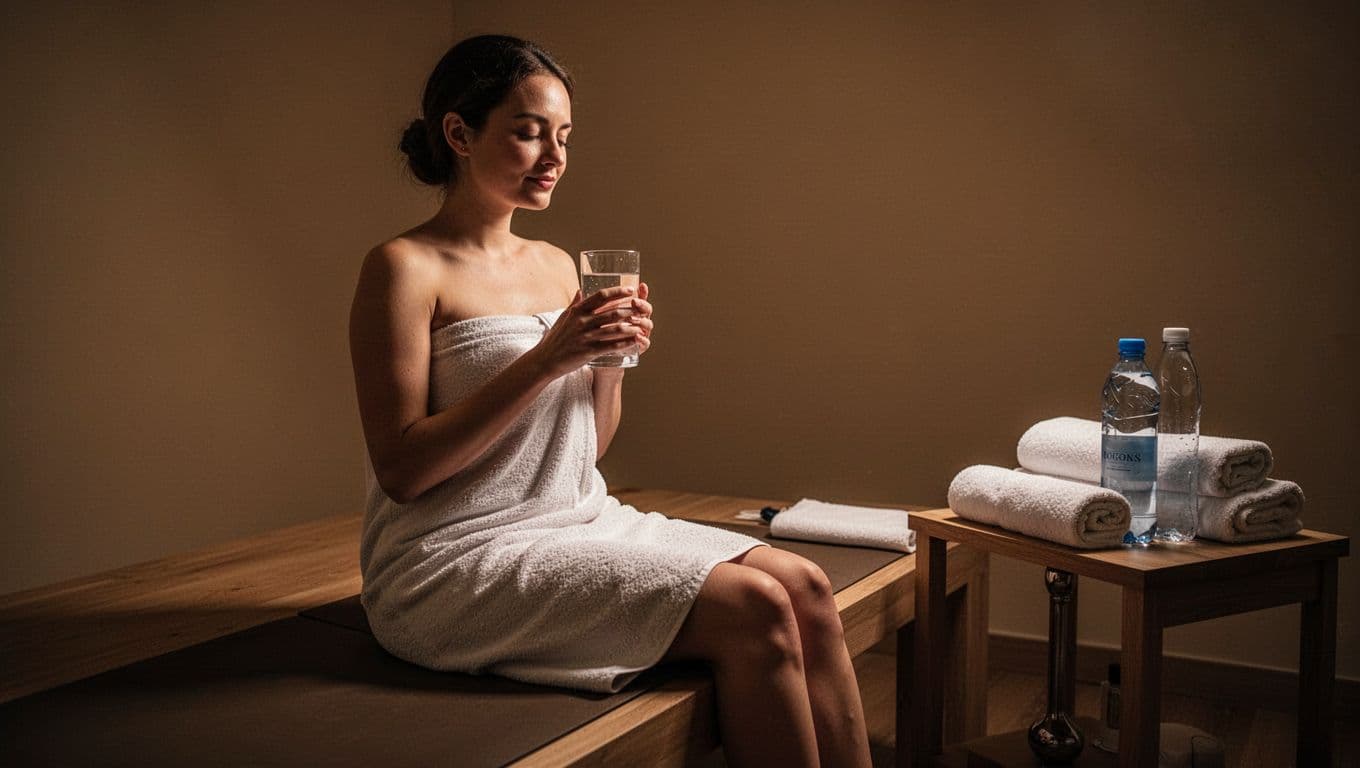
In many cases, the first step after the session is a shower or a warm towel clean-up to remove the gel. That simple reset can feel grounding. After that, drinking water is a smart move, especially if the room was warm and the body feels loose or heavy. Hydration won’t change the whole outcome, but it often helps you feel more settled afterward.
Many people notice a mix of effects once the session ends. You might feel:
- Loose in the muscles
- Sleepy or deeply calm
- Mentally quiet
- Light emotionally, almost as if some built-up static has faded
Those reactions are common because the session often slows both body and mind. For some, the feeling is like stepping out of a warm bath. For others, it’s closer to that soft, floaty state right before sleep.
If possible, keep the rest of your day gentle. A hot shower, comfortable clothes, light food, and a slower pace can help the relaxed feeling last longer. Pay attention to your body too. If something felt especially good, or if anything felt off, make a note of it. That makes future sessions easier to tailor to your needs.
The benefits people talk about most, and the limits to keep in mind
People usually talk about Nuru Massage in two ways at once. First, they describe how it feels, warm, flowing, and deeply settling. Then they talk about what it doesn’t do, because a sensory massage can soothe the body without fixing every problem the body carries.
That balance matters. A great session may leave you calmer, lighter, and more at ease in your skin. Still, the effects vary from person to person, and the experience sits closer to relaxation and body comfort than to clinical treatment.
Deep relaxation, stress relief, and the calm that can follow body gliding
One of the most common reasons people seek Nuru Massage is simple, they want to let go. The long glide, the warmth of the room, and the smooth rhythm can quiet that wired feeling many people carry all day. When movement stays slow and steady, the body often stops bracing and starts softening.
That shift can feel almost like snow melting off a roof. At first, tension clings. Then, little by little, it slides away. Because the gel reduces friction, the contact feels fluid rather than choppy, and that smoothness can make the whole session feel easier to sink into.
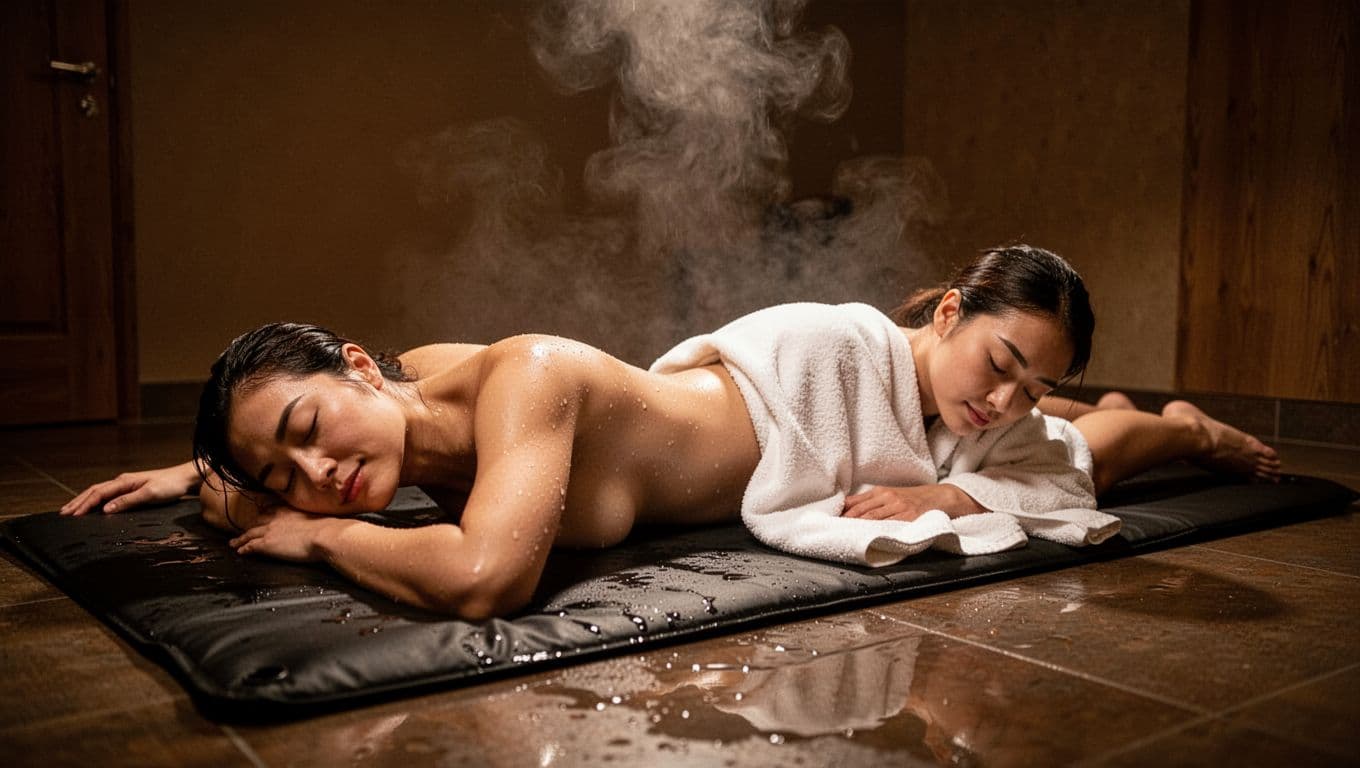
For many people, the appeal is not strong pressure. It’s the way the session can calm the nervous system through steady touch, warmth, and predictable motion. In a busy week, that kind of sensory stillness can feel rare. Your mind has fewer sharp edges to catch on, so it may stop racing for a while.
Common after-effects are usually modest but meaningful. People often say they notice:
- A lighter mood after the session
- Less mental noise and less stress
- A sense of physical ease, even if only for a few hours
- Easier rest later that day or night
- A soft, sleepy feeling, similar to the calm after a warm bath
None of that should be sold as magic. It is better to think of Nuru Massage as a setting that may help the body switch gears. If you arrive tense, the slow glide and close, rhythmic contact may help you downshift. If you already feel relaxed, the effect may be gentler.
Some people also report a pleasant sense of body awareness afterward. Not sharper in a clinical sense, just more in tune. You notice your breathing, the weight of your limbs, the way your shoulders sit. That can be part of the relief. Stress often pulls attention into the head, while soothing touch can bring it back into the body.
For many clients, the main benefit is not “fixing” something. It’s feeling quiet, settled, and comfortable for a while.
How touch, trust, and closeness can affect the mind and mood
The emotional side of Nuru Massage is harder to measure, but people talk about it often. Close, respectful touch can shape mood in ways that feel subtle yet real. Some describe feeling cared for, while others say they feel grounded, more present, or less scattered.
That response makes sense on a human level. Safe touch can be reassuring. When the pace is calm and the boundaries are clear, the body may stop reading the moment as something to guard against. As a result, some people feel more open, more settled, and less cut off from themselves.
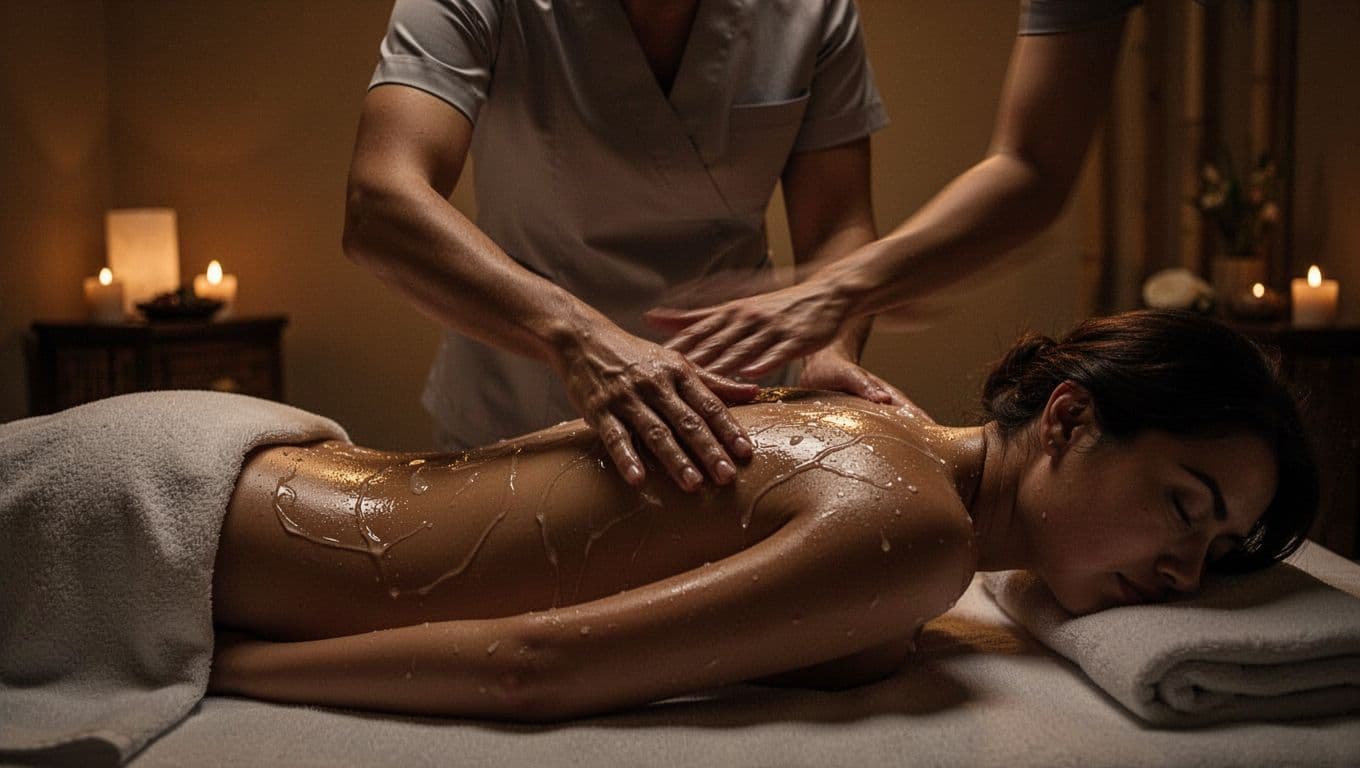
Trust plays a big part here. Without trust, closeness can feel awkward or tense. With trust, the same closeness may feel grounding, almost like finally unclenching a fist you forgot you were making. That’s why the setup matters so much. Consent, privacy, pacing, and communication all shape whether the experience feels soothing or not.
People who enjoy this style often mention a few emotional themes:
- They feel more connected to their body
- They feel less distant or numb
- They leave in a steadier mood
- They feel cared for in a simple, human way
Still, this is not universal. One person may find body gliding deeply calming, while another may find it too intimate for comfort. Personal history, stress level, and comfort with close contact all influence the outcome. So does the skill of the practitioner.
The key is to keep claims modest. Nuru Massage may support a better mood for some people, but it is not a mental health treatment. It may help someone feel more present in the moment, but it cannot promise emotional healing. Those are different things, and keeping that line clear makes the experience easier to understand.
What Nuru Massage can do well, and what it cannot promise
A realistic view helps more than hype ever will. Nuru Massage can do a few things well. It can create deep relaxation, offer a sense of warmth and comfort, and ease general physical tension through smooth, whole-body contact. For some people, it also helps break up that stiff, heavy feeling that builds after stress, long hours sitting, or poor sleep.
What it does not promise is targeted repair. If you have a sharp pain in the shoulder, a fresh injury, nerve symptoms, swelling, or a long-term mobility problem, Nuru Massage is not the same as physical therapy, injury rehab, or medical care. It may feel soothing around the issue, but soothing is not the same as treating the cause.
A simple comparison can help:
| What Nuru Massage may help with | What it cannot reliably do |
|---|---|
| General relaxation | Diagnose pain or injury |
| Stress reduction | Treat a torn muscle or joint problem |
| Temporary muscle ease | Replace physical therapy |
| Better body awareness | Correct posture or movement patterns on its own |
| A calmer mood and easier rest | Serve as medical or mental health care |
That distinction protects the reader from false hope. It also protects the reputation of the service itself. A massage can be excellent at helping you feel better without pretending to be a cure.
This is also where expectations matter. If you book a Nuru Massage wanting a soft, immersive, body-led experience, you may come away satisfied. If you book it expecting deep corrective work on a sports strain or chronic pain pattern, you may feel disappointed. For muscle tools that target soreness in a more practical way, this guide on massage gun benefits for relaxation offers a useful contrast.
The bottom line is clear enough. Nuru Massage is strongest when you want calm, closeness, sensory comfort, and a temporary release from stress. It’s weaker when you need precise treatment, firm rehab-style work, or answers about pain. Knowing that before you book makes the experience more honest, and usually more rewarding.
How to choose a safe, respectful Nuru Massage experience
A good Nuru Massage should feel clear before it ever feels relaxing. You should know who you’re booking with, what the space is like, how hygiene is handled, and where the boundaries sit. If any part of that stays foggy, slow down.
Think of it this way, a professional service leaves fewer loose ends. The room looks cared for, the communication feels calm, and the terms are plain. You shouldn’t have to decode prices, guess the rules, or ignore your instincts just to book a session.
Signs of a professional service, clean space, clear rules, and respect
When a service is run well, the signs show up early. First, cleanliness should be easy to spot. Fresh towels, clean bathrooms, a shower option, sanitized surfaces, and a waterproof setup that looks properly maintained all matter. If the room smells stale, looks rushed, or has used linens lying around, that’s not a small detail. It’s the foundation.
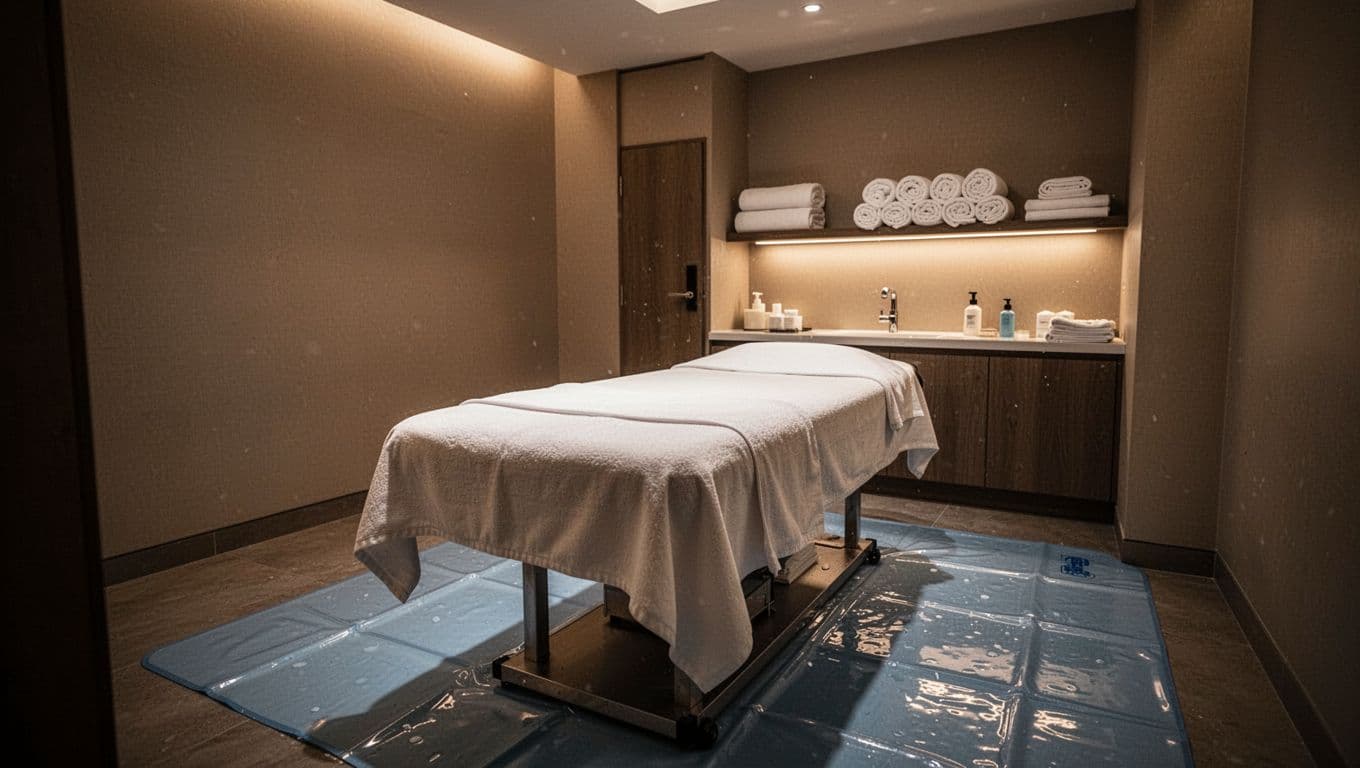
A respectful provider also gives you clear information without drama. Prices should be stated up front. Session length should be easy to understand. Payment terms shouldn’t shift once you arrive. In the same way, the service should explain what the session includes, what products are used, and what the room setup is like. Fresh linens or sanitized vinyl surfaces are not fancy extras. They’re basic signs that the business takes your safety seriously.
Communication is another strong clue. A professional doesn’t dodge simple questions. They answer directly, confirm the booking details, and explain boundaries in plain words. You should hear a steady tone of respect, not flirtation used to avoid specifics. If they can calmly discuss hygiene, privacy, timing, and limits, that’s a very good sign.
It also helps to look for stated boundaries. Good services don’t treat rules like a secret. They explain what is and isn’t part of the session, and they don’t make you pull that information out of them. Respect should feel built into the process, from the first message to the end of the visit.
If you’re checking a place online, use common sense with reviews. Look for patterns, not just praise. Reviews that mention cleanliness, punctuality, privacy, and clear communication carry more weight than vague claims about an “amazing experience.” A polished photo can hide a lot. Consistent comments about professionalism are harder to fake.
The safest Nuru Massage experiences usually feel the least confusing. Clear rules are a comfort, not a drawback.
Finally, keep local law and personal risk in mind. In Nairobi, if a service seems to blur into sexual services, the health and legal risks rise fast. Skin-to-skin massage is one thing. Pressure to move beyond agreed boundaries is another. A serious provider respects the line and doesn’t test it.
Red flags that should make you walk away
Some warning signs are loud. Others whisper. Both matter. If the answers you get are vague, slippery, or always changing, take that seriously. A trustworthy service doesn’t act like basic questions are a problem.
Poor hygiene is one of the clearest reasons to leave. Dirty towels, used sheets, stained surfaces, bad odors, or a room that looks half-cleaned should end the visit right there. The same goes for a provider who seems careless about showers, hand washing, or clean gel application. In a Nuru Massage, the setup is intimate and close-contact, so hygiene can’t be an afterthought.
Hidden fees are another hard stop. If the listed price changes at the last minute, if “extras” appear out of nowhere, or if payment feels like a moving target, walk away. Confusion around money often comes with confusion around everything else. That’s not the mood you want when your body and privacy are involved.
Pressure is never a good sign. That includes pressure to book fast, arrive immediately, skip questions, drink alcohol, ignore your comfort, or agree to anything you didn’t ask for. If a provider pushes past your hesitation, they are showing you exactly how they handle consent. Believe them.
Refusal to discuss boundaries is just as serious. If they dodge clear talk about what the session includes, what is off-limits, or how they handle discomfort during the appointment, don’t continue. Boundaries should be simple to discuss. If they act offended, annoyed, or evasive, that’s enough reason to step back.
Also trust your body. If the place feels off, if the energy is aggressive, or if you feel cornered, you don’t need a perfect explanation. Your instincts are like a smoke alarm. You don’t wait for flames before you move.
Here are the red flags worth treating as immediate exit signs:
- Vague answers about hygiene, prices, or what the session includes
- Dirty facilities, worn linens, or poor personal hygiene
- Last-minute fees or sudden changes in price
- Pressure, guilt, or rushed decision-making
- No clear boundary discussion
- Anything that makes you feel unsafe, uneasy, or trapped
Simple rule, if respect disappears before the session starts, it won’t improve once the door closes.
Questions to ask before you book your session
A short pre-booking chat can save you from a bad experience. You don’t need to sound formal. You just need direct questions and clear ears. A professional service should handle this with ease.
Start with hygiene, because that tells you a lot. Ask how the room is cleaned between clients, whether fresh linens are used every time, and whether the massage surface is sanitized after each session. You can also ask if a shower is available before the massage and whether the gel is clean, single-use for your session, or freshly dispensed.
Then move to the practical details. Ask:
- How long is the session from start to finish?
- What kind of gel do you use, and is it water-based?
- Is the room private, warm, and set up for safe gliding?
- Are towels, shower access, and clean-up included?
- What boundaries do you clearly maintain during the session?
- How do I communicate if I want pressure or pace adjusted?
- What is the exact total price, and how do you take payment?
These questions do more than gather facts. They show you how the provider responds under normal pressure. Are they calm and clear, or do they sidestep and deflect? The answer matters almost as much as the information itself.
You can also ask about privacy and arrival steps. For example, find out whether the booking name stays private, whether the room is shared or fully separate, and what happens when you arrive. A well-run service should explain this in a way that lowers stress, not adds to it.
If you’re reading reviews before booking, compare them against what you’re told. Do clients mention clean rooms, respectful staff, and no surprises on price? Or do you see complaints about pressure, poor hygiene, or awkward communication? When the story from reviews matches the answers you get, trust grows.
In the end, preparing for a Nuru Massage should feel like checking the locks before bed. It isn’t fear. It’s good sense. A few direct questions can turn a vague idea into a clear, respectful experience.
Conclusion
Nuru Massage stands apart because it isn’t built around deep pressure or spot work. Instead, it centers on smooth gel, full-body glide, and a slower kind of touch that can quiet the mind and soften the body, especially when the room, pace, and communication all feel right.
At its best, Nuru Massage is simple in purpose. It offers sensory relief, closeness, and calm, not medical treatment or miracle claims. That’s why hygiene, consent, clear boundaries, and honest expectations matter so much, because a good session should feel safe before it ever feels relaxing. If you want a clearer picture of a well-framed experience, this Kilimani Nuru massage experience guide is a useful next step.
So the real takeaway is personal. If you want a massage that feels immersive, warm, and deeply easeful, this style may fit you well. If you need firm corrective work or treatment for pain, it may not be the right lane, and knowing that is part of choosing well.