# Spa and Massage in Nairobi (2026 Guide): Types, Safety, and What to Expect
Nairobi can run you down fast. Long hours in traffic, back-to-back screen time, and tough workouts can leave your body stiff, tired, and short on sleep. That’s why **Spa and Massage** isn’t just a treat, it’s practical care for how you live.
In simple terms, spa and massage means hands-on bodywork to ease tension and support recovery, plus optional add-ons that help you reset. Depending on the place and the package, that can include scrubs, facials, steam, hot stones, and aromatherapy. Some sessions focus on deep knots and sore spots, others are all about calm and rest.
This guide breaks it down in plain language so you can choose the right treatment for your needs and budget. You’ll learn what happens before, during, and after a session, what’s normal to feel, and how to ask for the pressure and style you want. We’ll also cover safety basics, red flags to avoid, and simple tips that help you get better results from every visit.
## Spa and Massage Basics: What They Are and Why People Book Them
When people say “Spa and Massage,” they often mean two different things that can work well together. A **massage session** is usually focused bodywork, you come in for a clear goal like easing back tension or relaxing your mind. A **spa day** is broader, it stacks treatments that care for your skin, heat and steam routines, and sometimes beauty services, so you leave feeling reset from head to toe.
The best part is you don’t have to choose. You can book one, the other, or combine both in a single visit based on your time, budget, and how your body feels that week.
### Massage vs spa treatments: simple definitions that remove confusion
**Massage** is hands-on work using pressure and movement on muscles and soft tissue. A therapist may use palms, thumbs, forearms, and elbows to glide, knead, press, or stretch areas that feel tight. The goal is often to reduce tension, improve comfort, and help you feel more at ease in your body.
**Spa treatments** are more about skin care, heat, and overall pampering. Think of services like:
– Body scrubs and body wraps
– Facials and masks
– Sauna or steam sessions
– Beauty care like waxing or manicures (varies by spa)
A simple way to picture it: massage is like “tuning” your muscles, while spa care is like “refreshing” your outer layer and calming your system.
**Easy combo examples in one visit:**
1. **Steam + massage**: warm up first, then do a Swedish or deep tissue session.
2. **Scrub + massage**: exfoliate, rinse, then relax into a full-body massage.
3. **Facial + back and neck massage**: good if you sit at a desk all day.
### Top benefits people notice after a good session
Most people book Spa and Massage for practical reasons, not just luxury. After a well-matched session, common, reasonable outcomes include:
– **Stress relief**: your breathing slows, your shoulders drop, and your mind feels quieter.
– **Better sleep**: many people feel drowsy after, then sleep deeper that night.
– **Less stiffness**: especially in the neck, lower back, hips, and calves.
– **Better mood**: you often feel calmer and more “settled” in your body.
– **Faster recovery after sports**: less tightness after training, and you feel looser for your next session.
Results depend on the **right technique**, the therapist’s skill, and clear communication about what you want. Small habits help too: drink water, eat light after, rest if you can, and consider consistent sessions if you’re working on ongoing tension.
### When a massage should be gentle, and when it can be deep
“Deep” is not the same as “painful.” Deep pressure should feel strong and targeted, but still controlled. If you’re tensing up or holding your breath, the pressure is too much.
A simple way to guide your therapist is a **0 to 10 pressure scale**:
– **0 to 2**: very light, calming touch
– **3 to 5**: moderate, most people’s “everyday” comfort zone
– **6 to 7**: deep work that’s intense but still safe for most people
– **8 to 10**: too much for most bodies, often leads to soreness or bruising
Choose **gentle** pressure if you’re stressed, new to massage, very sore, or recovering from travel fatigue. Choose **deep** work when you have stubborn knots, heavy training loads, or long-term tightness, and only if you can stay relaxed while it’s happening. The best session is the one where you speak up early and the therapist adjusts in real time.
## Popular Types of Spa and Massage Treatments (And Who Each One Is Best For)
If you’re booking Spa and Massage in Nairobi, the menu can look endless, even when you just want to feel better fast. The trick is to match the treatment to your body and your week, not to the fanciest name. Below is a simple, practical guide to popular options, what they feel like, who they suit best, and when to be cautious.
### Swedish massage for first-timers and stress relief
Swedish massage is the classic “I just want to relax” session. It uses **long, smooth strokes**, gentle kneading, and a steady, calming pace. Pressure is usually light to medium, and the goal is to help your whole system settle, like turning down the volume after a loud day.
**What it feels like:** flowing movements that warm up muscles, loosen general tightness, and calm your breathing. It’s soothing, not intense.
**Best for:**
– General stress and burnout
– Tension headaches linked to tight neck and shoulders
– Light muscle stiffness from sitting or travel
– Anyone who wants to sleep better after
**Be cautious or avoid if:**
– You have a fever, flu, or active infection
– You have a skin rash or open cuts in areas being worked on
– You’re dealing with severe pain that needs medical assessment first
If you’re nervous about massage, this is a great starting point. You can always ask for **lighter pressure** and fewer “problem areas” on your first visit.
### Deep tissue massage for stubborn knots and desk pain
Deep tissue is for tight spots that don’t go away with light work, the kind you feel after long hours at a desk, heavy lifting, or repetitive workouts. The therapist works **slower and more focused**, often using thumbs, knuckles, or forearms to release tension in areas like the neck, shoulders, upper back, and lower back.
**What it feels like:** strong, targeted pressure that stays on one area longer. It can feel “good-pain” in the moment, but it should never feel sharp or make you hold your breath.
**Best for:**
– Stubborn knots in shoulders and upper back
– Desk-related neck tension and tight traps
– Lower back tightness from sitting, driving, or lifting
– People who like firm pressure and clear results
**What to expect after:**
– Mild soreness for 24 to 48 hours can happen, like after a workout
– Drink water, keep your day light if you can
– Do **gentle stretching later**, not hard training right away
**Be cautious or avoid if:**
– You have a recent injury, swelling, or severe inflammation
– You bruise easily or take blood thinners
– You have a medical condition where pressure may be risky (check with a clinician first)
If you want deep work, ask the therapist to stay around a **6 to 7 out of 10** on pressure. More is not always better.
### Aromatherapy massage for mood, stress, and better sleep
Aromatherapy massage blends relaxing massage strokes with **essential oils** mixed into a carrier oil or used through scent. The oils you choose can shape the session, calming options for winding down, or brighter scents for a lighter, more alert mood. Good therapists will ask what you want from the session and adjust the blend and strength.
**What it feels like:** similar to a Swedish massage, plus the added layer of scent and warmth from the oils. Many people notice their mind quieting faster, especially if they’ve been anxious or sleeping poorly.
**Best for:**
– Stress, irritability, and feeling “wired”
– Trouble falling asleep or staying asleep
– People who want a softer, more soothing Spa and Massage session
**Be cautious or avoid if:**
– You have asthma, scent sensitivity, or frequent headaches triggered by fragrance
– You have known allergies or very reactive skin
– You’re pregnant or trying to conceive (ask for pregnancy-safe options)
A simple safety tip is to ask for **lighter oils** or a **patch test** on your forearm, especially if you’ve never used essential oils on your skin.
### Hot stone massage for deep warmth and relaxation
Hot stone massage uses smooth, heated stones placed on key points and sometimes glided along muscles. The heat sinks in like a warm compress, helping muscles soften without the therapist needing to use very heavy pressure.
**What it feels like:** deep, steady warmth and slow massage movements. Many people feel almost drowsy mid-session because the heat signals your body to relax.
**Best for:**
– People who carry stress in the back and shoulders
– Those who feel tight but don’t want intense pressure
– Cooler days when your body feels stiff and guarded
**Be cautious or avoid if:**
– You’re heat-sensitive or get dizzy easily with warmth
– You have circulation problems, nerve issues, or reduced sensation
– You have uncontrolled high blood pressure or a condition where heat is restricted (check with a clinician)
Always speak up if the stones feel too hot. The heat should be comforting, not something you endure.
### Body scrubs, facials, and beauty treatments that pair well with massage
If you want more than muscle relief, spa add-ons can make your session feel like a full reset. These options focus on skin, hydration, and simple grooming, and they often pair well with Spa and Massage when you plan them in a smart order.
**Popular add-ons and what they do:**
– **Body scrub:** exfoliates dead skin so you feel smoother and less dull
– **Hydrating wrap:** adds moisture and can leave skin softer, especially if you get dry patches
– **Deep-cleansing facial:** helps with oil, clogged pores, and that “tired face” look after busy weeks
– **Basic grooming:** simple services like waxing, manicure, or pedicure (varies by spa)
**Best for:**
– Dry skin, rough texture, or uneven tone
– People prepping for events, travel, or beach days
– Anyone who wants to feel clean, polished, and relaxed
**How to plan the order (so it feels good, not draining):**
1. **Scrub or steam first**, then massage (your body is already warmed up)
2. **Facial last** if you want to stay relaxed and avoid rushing
**Be cautious or avoid if:**
– Your skin is irritated, sunburned, or freshly shaved (scrubs can sting)
– You feel dizzy with heat, keep steam short and skip extra hot add-ons
– You have active acne flare-ups, ask for a gentle facial instead of aggressive extractions
## Spa and Massage in Nairobi: How to Choose the Right Place (Kilimani Included)
Nairobi has no shortage of spa menus, but a good experience comes down to basics done well. In Kilimani and nearby areas like Riara Road and Ngong Road, you’ll see everything from quick back-and-neck sessions to full spa rituals. Your job is to sort the calm, professional places from the ones that feel rushed or unclear.
Think of it like choosing a barber you trust. You want skill, hygiene, and good communication, not surprises. Use the points below to pick a spot that matches your comfort, your budget, and what your body actually needs.
### What a quality spa in Nairobi usually gets right
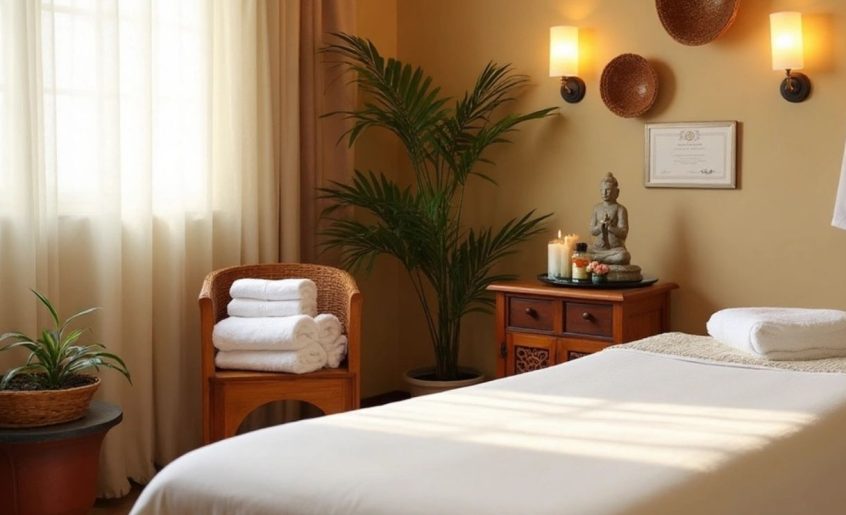
A quality spa and massage place feels professional before anyone touches your back. You notice it in the small details, the way you’re greeted, how the room smells (clean, not overpowering), and how clearly the session is explained.
Here are the signs that usually mean you’re in good hands:
– **Clean rooms and linens**: Fresh sheets for every client, no damp towels, no stained blankets, no “shared” headrests.
– **Clear menu and prices**: Services are explained in plain language, with time and cost shown upfront, including add-ons.
– **Respectful communication**: They ask what you want worked on, your pressure preference, and any injuries or sensitivities.
– **Safe draping**: You stay covered, only the area being worked on is exposed, and you never feel “on display.”
– **Fresh oils and clean tools**: Oils are not rancid or sticky, bottles look clean, and tools (hot stones, bowls, steam units) are sanitized.
– **A calm environment**: Low noise, no staff arguments, minimal phone chatter, and no constant door opening.
If you want a quick checklist you can “screenshot” in your mind, use this:
**Quality Spa Checklist (fast scan)**
1. **Reception**: clear pricing, calm tone, no pressure to upsell.
2. **Privacy**: private room, lockable door, you can undress without rushing.
3. **Hygiene**: fresh linen, clean floor, therapist washes hands.
4. **Safety**: proper draping, asks about pain, allergies, pregnancy, injuries.
5. **Professionalism**: explains the plan, checks pressure, keeps time.
6. **Exit**: water offered, aftercare tips, no surprise charges.
One more Nairobi-specific tip: if you’re in a busy strip near Kilimani, ask about **parking and security** before you go. It sounds small, but it changes your whole mood.
### Best times to book in Nairobi and how to avoid last-minute stress
In Nairobi, the “best” time depends on traffic and peak demand. Most places get busy after work and on weekends, and Kilimani can feel especially packed when everyone is trying to unwind at the same time.
**Common peak times to expect:**
– **Weekday evenings (roughly 5 pm to 9 pm)**: high demand, more traffic stress on the way.
– **Weekends (late morning to early evening)**: popular for long spa packages and couples sessions.
– **Month-end and holiday periods**: more bookings, fewer open slots.
To avoid last-minute stress, plan your spa and massage booking like a short trip across town:
– **Book ahead** if you want a specific therapist, a couples room, or a 90-minute slot. Even 24 to 48 hours helps.
– **Arrive 10 to 15 minutes early** for intake questions, a bathroom break, and to settle your nervous system.
– **Plan around traffic**, especially if you’re coming via Ngong Road or moving across town during rush hour. A massage starts better when you don’t arrive tense and late.
– **Choose your timing based on your goal**: mornings feel quieter and more focused, evenings feel more “switch off and sleep.”
**Couples bookings and special occasions**
– For couples, ask if the room is truly set up for two (two tables, two therapists, and sound privacy).
– If it’s an anniversary or birthday, book earlier and mention it when reserving. Many places can adjust the flow (extra time for a shower, a short foot soak, or a slower start) if they know in advance.
– Avoid stacking too many treatments back-to-back if you’re new to spa days. Two services done well feels better than four done in a rush.
### Nairobi spa trends in 2026 that you will likely see on menus
By early 2026, Nairobi spa menus often feature experiences that feel more personal and more results-focused. Trends come and go, so treat them like toppings, not the meal. Start with what your body needs, then add extras that fit your comfort level.
Here are popular Nairobi trends you’ll likely see:
– **Personalized aromatherapy**: custom oil blends based on your mood (stress, sleep, energy). Great if you like scent, not great if fragrance triggers headaches.
– **Hot stone massage**: deep warmth that helps tight muscles soften without aggressive pressure.
– **Couples rituals**: paired sessions that focus on relaxation and shared time, often with add-ons like scrub, steam, or foot care.
– **Deep-cleansing facials**: a “reset” facial with exfoliation, mask, and sometimes extractions, good for city dust and sunscreen build-up.
– **Foot-focused care for active lifestyles**: foot soaks, targeted foot massage, callus care, and relief work for people who stand, walk, or train a lot.
– **Body contouring offerings**: tech-based shaping services. These can be appealing, but they’re not a substitute for fitness or medical care.
Use this simple filter to decide if a trend is right for you:
1. **Goal-first**: Do you want pain relief, stress relief, better sleep, or skin care? Pick the service that matches.
2. **Budget**: Trends often cost more. Decide your limit before you arrive.
3. **Comfort**: Heat, scent, extractions, and devices are not for everyone. If you’re unsure, start basic and build up next visit.
A good spa will help you choose without pushing you. If you feel rushed into upgrades, that’s usually a sign to pause and rethink the booking.
## What to Expect Before, During, and After Your Spa and Massage Session
A great Spa and Massage session starts before the therapist even touches your shoulders. When you prep well, speak up during the session, and do simple aftercare, you get better results and fewer surprises. If you’re a first-timer in Nairobi, this also helps you feel calm and in control from start to finish.
### Before you arrive: quick prep that improves results
A little preparation makes your session feel smoother, and your body responds faster.
Start with **hydration and light food**. Drink water in the hours before your appointment, and eat something light (a snack or small meal). A heavy lunch can make you feel sluggish on the table, while an empty stomach can leave you dizzy.
Keep fragrance simple. Skip **heavy perfume or strong body spray**, since some therapists use oils or aromatherapy, and strong scents can clash or trigger headaches.
Aim to arrive **10 to 15 minutes early**. You’ll have time to use the bathroom, fill in a short form, and settle your breathing. Rushing in from Nairobi traffic makes it harder to relax, even if the room is quiet.
Before you start, share the things your therapist needs to know:
– **Injuries and medical issues** (recent sprains, back pain, pregnancy, high blood pressure, nerve problems)
– **Sensitive areas** (for example, lower back, ribs, feet, scalp)
– **Preferences** (quiet session or light chat, oil amount, pressure level, focus areas)
What to wear and what to bring is simple. Wear comfortable clothes you can change out of easily, and bring cash or your preferred payment option, in case the card network is slow. For massage, you’ll usually undress to your comfort level, most people remove everything except underwear. If you want to stay fully covered, that’s okay too.
Remove jewelry before you go in (necklaces, watches, bangles). It prevents tugging, and it keeps oils off your items. Finally, turn your phone to **silent** so your body can switch off faster.
On tipping or payment norms, it varies by place. Some spas include service charges, some don’t. If you want to tip, keep it small and simple, and only do it if you felt well cared for.
### During the session: communication, comfort, and privacy
Most sessions follow a clear flow: a quick consultation, time to change, then the massage. The therapist should explain where to place your clothes, how to lie on the table, and how to call them back in once you’re ready.
Good spas take privacy seriously with **proper draping**. You stay covered with a sheet or towel, and only the area being worked on is uncovered. If you ever feel too exposed, say so right away. You’re not being difficult, you’re setting a normal boundary.
Comfort is adjustable in real time. You can ask for:
– **More or less pressure** (deep should feel strong, not sharp)
– **Different focus areas** (neck and shoulders, lower back, hips, calves)
– **Room temperature** (fan off, blanket on, warmer room)
– **Music volume** (lower, off, or different style if offered)
– **Oil amount** (less oil, no oil on hairline, unscented if available)
If you’re not used to speaking up, use this simple script. It’s polite, clear, and works in the moment:
*“Could you use a bit less pressure on that spot, maybe a 5 out of 10? Also, can you spend more time on my shoulders and less on my legs?”*
If something hurts in a sharp or nerve-like way, say it immediately. Your body should soften during massage, not brace like it’s protecting itself.
### Aftercare: how to make the benefits last longer
After a Spa and Massage session, your body is like warm dough, softer and easier to shape. What you do next can keep that loose feeling for longer.
Start with **water**. Drink a few glasses over the next few hours. If you had deep work, hydration helps you feel less heavy or foggy after.
Keep movement gentle:
– Do **light stretching** later that day (neck rolls, hip openers, calf stretches)
– Take a **warm shower** if you want to rinse off oil and stay relaxed
– Plan a calm evening if you can, especially after deep tissue or hot stone work
Avoid hard workouts right away after intense bodywork. Deep work can leave muscles tender, and heavy lifting or sprinting too soon can turn “good soreness” into a bad day.
Normal reactions can include **sleepiness**, feeling extra calm, more bathroom trips, and **mild soreness** for 24 to 48 hours (often like post-gym soreness). That’s common, especially if you got focused work on knots.
Pay attention to red flags. Get help from a clinician if you feel **sharp pain**, numbness, swelling that grows, or **dizziness that doesn’t pass** after rest and water. Those aren’t typical massage after-effects, and they deserve a proper check.
## Safety, Etiquette, and Getting the Best Value From Spa and Massage
A good Spa and Massage session should leave you relaxed, not worried. That comes down to three things: smart health choices, clear consent, and choosing a package that fits your real goal. When you treat massage like body care (not a mystery ritual), you get better results and fewer surprises.
### Who should get medical advice first, and what to tell your therapist
Massage is safe for many people, but some situations need a quick check-in with a clinician first. Think of it like exercise, the right plan helps, the wrong plan can irritate a problem.
Consider medical advice before booking if you have:
– **Pregnancy**, especially in the first trimester, or if you have complications
– **Recent surgery**, stitches, or healing wounds
– **Fever**, flu-like symptoms, or active infection
– **Skin infections**, rashes, open cuts, or contagious conditions
– **Uncontrolled high blood pressure** or frequent dizziness
– **Blood clots**, clot history, or you take blood thinners
– **Severe varicose veins** or swelling in one leg
– **New, unexplained pain** (sharp, worsening, or paired with numbness)
What you share helps the therapist adjust safely. Before the session, tell them:
– Any **diagnosed conditions** (for example, hypertension, diabetes, nerve issues)
– **Medications** that affect bleeding, bruising, or pain sensation
– **Injuries** (even old ones) and where you feel pain today
– **Allergies** (oils, scents, nuts, latex), and skin sensitivity
– Your **pressure limit** and areas you don’t want touched
If you feel embarrassed, don’t. This info is like a map, it helps them avoid risky routes.
### Spa etiquette that makes the experience better for everyone
Good etiquette is simple, it keeps things calm and respectful for you, the therapist, and other guests.
A few habits make a big difference:
– **Arrive on time** so your session doesn’t start rushed or end early
– **Shower if possible**, especially after workouts, long travel, or hot days
– Keep your phone on **silent**, your mind follows your phone’s noise
– Communicate in a normal voice, **respectful and clear**
– Respect **quiet zones**, other people booked to switch off too
Boundaries also matter. Professional massage should always feel **safe and consent-based**. You can set limits on:
– Draping and what stays covered
– Areas to avoid (glutes, chest, inner thighs, feet, scalp)
– Talking vs quiet time
– Pressure and technique
If anything feels off, say “stop” and end the session. A quality spa will respect that without argument.
### How to choose the right package for your budget and goals
Start with the result you want, then work backward. Otherwise you can pay for extras that look nice on a menu but do little for your body.
Use this quick pairing:
1. **Pain relief or tight knots**: 60 to 90 minutes, focused deep tissue or targeted work
2. **Stress and sleep**: 60 minutes Swedish or aromatherapy, gentle pressure
3. **Couples time**: same-length sessions, simple add-ons (like a foot soak) if you both want them
Then decide on duration. Longer isn’t always better. If money is tight, a **regular shorter schedule** (like monthly 60-minute sessions) often beats one long session once a year, because your body learns to stay loose.
For pricing expectations, avoid guessing from social media photos alone. Ask upfront what’s included:
– Time on the table (not just “session time”)
– Shower or steam access, if offered
– Add-ons and upgrades, and whether they are optional
– Taxes or service charges, if any
The best value is a package that matches your goal, feels professional, and leaves you wanting to come back, not recover from it.
## Conclusion
Spa and Massage works best when you keep it simple and personal. Start by picking the style that fits your real need, Swedish or aromatherapy for stress and sleep, deep tissue for stubborn knots, hot stone for deep warmth without harsh pressure, then build from there.
In Nairobi, a great session also depends on the place you choose. Look for clean linens, calm rooms, clear pricing, and therapists who explain what they’re doing. If the basics feel rushed or messy, walk away.
Your results go up fast when you communicate. Tell the therapist your goal, your sore spots, and your pressure limit, then speak up the moment something feels too much. **Consent** and comfort are part of good bodywork, not an extra.
Aftercare is the final piece. Drink water, keep movement light, and give your body a quiet evening when you can. Those small choices help the reset last longer.
Thanks for reading, now decide your main goal (pain relief, stress relief, or a full reset) and book a Spa and Massage session that matches it. What would feel better this week, lighter shoulders, better sleep, or looser hips and legs?