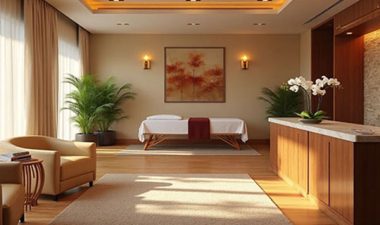
If you’re searching Massage Near Me In Kilimani, you probably want relief today, not a long list of options that all sound the same. Maybe it’s stress that’s built up after long workdays, a stiff lower back from sitting, or gym soreness that won’t quit. Travel fatigue can hit hard too, especially after hours in traffic or a long flight.
This post helps you sort through your choices without guesswork. You’ll learn the most common massage types in Kilimani and what each one is best for, from deep tissue for tight knots to Swedish for calm, full-body relaxation. You’ll also get a clear idea of typical prices, what affects cost, and when to avoid deals that feel too good to be true.
Just as important, you’ll learn how to choose a place that feels safe, clean, and professional. That includes what to look for before you book, what to ask, and how to plan your visit so you can relax the moment you walk in. By the end, you’ll know how to pick the right massage and book it with confidence.
Massage Near Me In Kilimani: what you can expect when you book
When you type Massage Near Me In Kilimani, “near me” usually means a short hop from where you already are. In Kilimani, that often includes Riara Road, Ngong Road, the Yaya area, and the nearby mix of apartments, offices, and gyms. The good news is that most spots are close, but the details of where you go can change how relaxed you feel before the massage even starts.
Where Kilimani massage spots are located and why it matters
Many Kilimani massage places sit along easy-to-find routes like Riara Road and Ngong Road, with others tucked near Yaya Centre, Denis Pritt, or inside mixed-use buildings near popular apartment blocks. That convenience saves time, but it also affects your mood.
Here’s what to think about before you confirm a location:
- Parking and drop-off: Ask if they have on-site parking, a shared lot, or street parking. If you’re driving, the last thing you want is circling for 15 minutes with tight shoulders.
- Security at the entrance: Professional buildings often have a gate, a guard, or a reception desk. That extra layer can help you feel settled the moment you arrive.
- Access from main roads: A spot near main roads can be easier to reach, but it can also be louder. Quieter side streets often feel calmer, but you’ll want clear directions.
- Traffic timing: After-work hours and weekends can slow you down. If you hate arriving rushed, book earlier in the day or add a 20-minute buffer.
- Your relaxation window: A shorter commute means your body stays in “rest mode.” Long, stressful travel can undo the calm you’re paying for.
What happens from check-in to check-out
A good massage appointment in Kilimani should feel simple and respectful, like checking into a quiet hotel room. Most people prefer booking ahead, especially after work and on weekends, because walk-in slots can disappear fast.
A typical visit looks like this:
- Confirm your appointment: You’ll share your name, service type, and session length, then confirm time and location details.
- Quick health questions: Expect basic questions about injuries, pregnancy, allergies (including oils), and areas to avoid.
- Choose pressure and focus areas: You can say “light,” “medium,” or “deep,” and mention spots like neck, lower back, or calves.
- Get comfortable and set privacy: You’ll be shown to a room, given time to change, and covered with a towel or sheet. Only the area being worked on should be exposed.
- During the massage: The therapist may check in on pressure, temperature, and comfort. Soft music, low lighting, and clean oils are common.
- Aftercare and water: Many places offer water. Take a minute before you stand up, especially after deep work.
- Payment and exit: You’ll settle the bill, then you’re free to head out without being rushed.
To reduce next-day soreness, drink water, take a warm shower later, and keep workouts light for 24 hours if you did deep tissue.
Signs of a clean, professional massage place
You can usually tell within the first two minutes if a place takes hygiene and professionalism seriously. Trust that first impression.
Look for these easy signs:
- Fresh linens: Clean sheets and towels for every client, with no lingering smells.
- Clean rooms and washrooms: Floors look cared for, bins are lined, and the bathroom has soap and clean hand towels.
- Therapist hygiene: Washed hands, neat appearance, and short nails. They should also explain what they’re doing before they start.
- Clear service menu and pricing: You can see what’s offered and what it costs, without vague “packages” that change on the spot.
- Respectful communication: They listen to your comfort level, pressure needs, and boundaries.
- No pushy add-ons: You shouldn’t feel pressured into extra time, extra services, or anything you didn’t ask for. A recommendation is fine, pressure is not.
Choosing the right massage for your body and your goal
When you search Massage Near Me In Kilimani, it’s easy to book the first slot you find. A better move is matching the massage to what your body is asking for, stress relief, muscle knots, sports recovery, foot fatigue, or better sleep.
Two quick things help you choose well: who it’s best for (your goal) and how it should feel (your comfort). If a therapist knows what you want, they can adjust pressure, pace, and focus areas so the session works for you, not just your calendar.
Swedish massage for stress and full-body relaxation
Swedish massage is the classic “reset” massage. It uses gentle to medium pressure, long gliding strokes, and light kneading that warms up the muscles and helps your nervous system settle.
Who it’s best for
- People feeling tense, anxious, or mentally tired
- Anyone new to massage and unsure about pressure
- Full-body relaxation after long workdays, traffic, or travel
How it should feel
Swedish should feel like your body is exhaling. The strokes are smooth and flowing, not pokey or sharp. You can still ask for a bit more pressure on your shoulders or lower back, but the goal is calm, not “fixing” a knot at all costs.
If you’ve been sleeping poorly or carrying stress in your neck and jaw, Swedish is often the safest place to start. Many people leave feeling lighter, like someone turned down the volume in their head.
Deep tissue massage for tight muscles and stubborn knots
Deep tissue is for tight spots that don’t respond to light work. The therapist moves slowly and with focus, working through deeper layers of muscle and connective tissue. It’s not about being “hard” everywhere. It’s about being targeted.
Who it’s best for
- Stubborn knots in the neck, upper back, glutes, or calves
- Desk posture pain, gym soreness, and sports recovery
- People who already know they like firm, focused work
How it should feel
Deep tissue can feel intense, like a steady pressure that “melts” tight areas over time. It should not feel like you’re bracing or holding your breath. A useful rule: discomfort is okay, sharp pain is not.
A bit of soreness for 24 to 48 hours can be normal, similar to post-workout tenderness. Speak up if:
- The pressure feels like stabbing, burning, or nerve pain
- You feel numbness or tingling
- You can’t relax your body under the therapist’s hands
Who should avoid deep tissue (or get medical advice first)
- People with blood clots, bleeding disorders, or who use blood thinners
- Anyone with a fresh injury, swelling, or inflammation
- Recent surgery clients (until cleared)
- People with severe osteoporosis or fragile skin
If you’re unsure, tell the therapist your concern and start with medium pressure. You can always go deeper later.
Hot stone and aromatherapy for calm and better sleep
Hot stone massage uses warmed stones placed and glided along key areas like the back, shoulders, and legs. The heat helps muscles loosen without forcing deep pressure. Aromatherapy adds scented oils to support relaxation through smell.
Who it’s best for
- People who feel “wired but tired”
- Those who want relaxation and better sleep
- Anyone who finds deep pressure stressful, but still wants muscles to soften
How it should feel
The heat should feel soothing, like a warm compress that spreads through stiff muscles. Stones should never feel too hot. Aromatherapy should smell pleasant and light, not overpowering.
A few sensitivity notes matter here. Tell your therapist before the session if you have:
- Asthma or scent-triggered headaches
- Allergies or sensitive skin
- Pregnancy (some essential oils are not advised)
If a scent bothers you, ask to switch oils or skip them. The goal is calm, not irritation.
Foot massage for people on their feet all day in Nairobi
If your day includes walking between meetings, standing at work, workouts, or travel days, a focused foot massage can feel like instant relief. Feet carry the whole body, and in Nairobi, the mix of steps, stairs, and long drives adds up.
Who it’s best for
- Anyone with foot fatigue, tight arches, or heavy-feeling legs
- Runners, gym-goers, and people who stand for long shifts
- Travelers dealing with swelling and stiffness
How it should feel
Expect firm, comfortable pressure across the sole, heel, arch, and around the ankles. Good foot work often creates a “release” feeling that travels up the calves. You should feel more comfort when you stand, not more pain.
Simple benefits people notice fast:
- Less heaviness in the feet and lower legs
- Better comfort in shoes
- A calmer, more relaxed body overall
If you have diabetes, poor circulation, nerve issues (numbness), or a foot injury, consult your clinician first and tell the therapist before the massage. This is one case where extra caution protects you.
Prices, session lengths, and how to get real value in Kilimani
When you’re searching Massage Near Me In Kilimani, price matters, but value matters more. The best sessions feel clear and professional from the first message, with the right time, the right pressure, and no awkward add-ons at checkout. If you know what drives cost and how to pick your session length, you can spend wisely and leave feeling better, not frustrated.
60 minutes vs 90 minutes: which one should you pick?
A 60-minute session is perfect when you have one main issue and you want focused work. It gives the therapist enough time to warm the area, work the tight spots, and finish without rushing.
A 90-minute session is better when you want a true full-body massage plus extra attention on problem zones (neck, back, hips). Think of it like cleaning the whole house, then still having time to scrub the stubborn corners.
Here are a few real-life ways to choose:
- You sit at a desk all day: Pick 60 minutes and focus on neck, shoulders, and upper back.
- You train at the gym and feel tight all over: Pick 90 minutes for full-body work, then extra time on hips, glutes, and calves.
- You’re stressed and not sleeping well: Pick 90 minutes for slower pacing, full-body relaxation, and steady work on jaw, neck, and chest tension.
If you’re unsure, ask the therapist what fits your goal and budget, then decide.
What can raise or lower the cost (without surprises)
Pricing in Kilimani usually shifts based on a few simple factors. Knowing them helps you avoid “small extras” that add up.
Common price drivers:
- Duration: 90 minutes costs more than 60, but often feels like better value if you want full-body plus focus areas.
- Massage type: Deep tissue, hot stone, and specialty therapies may cost more than a basic Swedish session.
- Therapist experience: More experienced therapists may charge more, and you often feel the difference in technique and flow.
- Room quality: Private rooms, couples rooms, and quieter spaces can raise the price.
- Oils and add-ons: Premium oils, aromatherapy, scrubs, or hot towels may be extra.
- Peak times: Evenings, weekends, and late hours can cost more than daytime slots.
- Promos: Discounts can be real, just confirm what’s included and when they apply.
Before the session starts, ask for a clear total (service plus any add-ons) so there are no surprises.
Questions to ask before you pay
A quick checklist keeps things smooth:
- What’s the exact session length (hands-on time vs total time)?
- What’s included (type of massage, oils, hot towels, shower access if offered)?
- What’s the cancellation or reschedule policy?
- Can I request a therapist gender preference (if I have one)?
- How do you handle privacy (draping, knocking before entry, quiet room rules)?
- What are the payment options (cash, card, mobile money), and do you need a deposit?
For etiquette, arrive 5 to 10 minutes early, bring a hair tie if you have long hair, and avoid heavy perfume. Tipping is optional, so do what feels right for you.
How to pick a safe, comfortable, and trustworthy massage near you
When you search Massage Near Me In Kilimani, it’s easy to focus on the closest option and the first available slot. Safety and comfort matter just as much as price. A professional place will feel calm, clean, and respectful, and a good therapist will treat your boundaries like part of the service.
Think of it like getting a haircut. You’re paying for skill, but you’re also paying to feel at ease. If anything feels off before you even lie down, you don’t have to push through it.
Consent and comfort: you control pressure, areas, and boundaries
You’re in charge of your body during the whole session. A massage should never feel like something that’s happening to you. It should feel like something you’re choosing, moment by moment.
Here’s what you can always ask for, without feeling awkward about it:
- Lighter or deeper pressure: “Please go lighter” is a normal request. So is “a bit more pressure on my shoulders.”
- Skip certain areas: If you don’t want your glutes, abdomen, chest, or feet touched, say so. A good therapist won’t argue.
- Change the focus: Maybe you booked full-body, but your neck is the real problem. Ask them to spend more time there.
- More draping for privacy: You should be covered with a sheet or towel, and only the area being worked on should be exposed. If you want more coverage, speak up.
- Stop at any time: You can pause the session to adjust, ask a question, or end the massage early.
If the pressure crosses into sharp pain, say it right away. A helpful line is, “That feels too intense, please ease up.” You don’t need to explain or tough it out. Your body isn’t a test.
Also, feel free to ask simple questions before they begin, like what oil they use, how they handle privacy, or whether they can avoid your lower back. A professional therapist expects this.
Health notes to share with your therapist before the session
Good massage starts with a quick, honest health check. You’re not being “difficult” by sharing details, you’re helping the therapist keep you safe and comfortable.
Before the session, tell them if you have:
- Pregnancy: Massage can often be fine, but positioning, pressure, and some oils may need changes.
- Allergies or sensitive skin: This includes nut oils, scents, or reactions to lotions.
- Injuries or pain spots: Sprains, strains, back issues, or any area that flares up easily.
- History of blood clots: Or if you’re on blood thinners. Deep pressure may not be safe in some cases.
- Fever or feeling unwell: If you feel sick, it’s better to reschedule.
- Skin conditions: Rashes, open cuts, infections, or anything contagious should be disclosed. Some areas may need to be avoided.
- Recent procedures: Surgery, injections, dental work, or cosmetic treatments can affect what’s safe.
- High blood pressure or heart issues: Mention it, even if it’s controlled.
- Sharp or unusual pain: Pain that feels stabbing, burning, numb, or tingling needs caution. Massage should not set off nerve-like pain.
If you’re unsure, give the short version: what you feel, where you feel it, and what movements make it worse. That’s usually enough for a therapist to adjust. If something sounds serious, they should suggest you check with a clinician first.
Red flags to watch for when searching “massage near me”
Most places in Kilimani are trying to do things right, but your quick checks can save you from a bad experience. Pay attention to what happens before you book and in the first few minutes after you arrive.
Watch for these common red flags:
- Unclear pricing: Vague rates, hidden add-ons, or prices that change when you show up.
- Poor hygiene: Dirty linens, used towels, strong smells that suggest the room isn’t cleaned, or no handwashing.
- Pushy behavior: Pressure to add services, extend time, or accept something you didn’t ask for.
- No basic health questions: If they don’t ask about injuries, pregnancy, or allergies, they may not be working with safety in mind.
- Lack of privacy: No proper draping, people walking in without knocking, or doors that don’t close.
- You feel rushed or dismissed: If they won’t listen to “lighter pressure” or “avoid that area,” that’s a sign to leave.
Trust your gut. If something feels wrong, you can step out, get dressed, and end the session. It’s your time, your money, and your body.
Booking your massage in Kilimani: timing, preparation, and aftercare
A good massage starts before you even get on the table. When you plan the timing, show up prepared, and treat aftercare like part of the session, you get better results and less “why do I feel off?” later. If you’re searching Massage Near Me In Kilimani, use this as your simple action guide to book smart and leave feeling steady, not rushed.
Best times to book if you want a calm, quiet visit
If you want a peaceful room and a slower pace, aim for off-peak hours. These slots often feel quieter because fewer people are checking in at once.
Here are the easiest times to try:
- Mid-morning (around 10:00 am to 12:00 pm): Your body is awake, but the day hasn’t gotten loud yet.
- Early afternoon (around 1:00 pm to 3:00 pm): Great if you want to reset after lunch and return to work calmer.
- Weekdays over weekends: Weekday appointments usually feel less busy.
Weekends can still be perfect, just plan ahead. Reserve early (especially for late morning and evening slots). If you’re booking for Friday after work or Saturday, locking it in 24 to 48 hours earlier helps you get the therapist and time you want.
Simple prep checklist before you go
A little prep helps your body relax faster, like warming up a car before a long drive.
Do these few things before your appointment:
- Eat light 1 to 2 hours before: A heavy meal can make you feel sluggish on the table.
- Arrive 5 to 10 minutes early: You’ll fill details, breathe, and start calm.
- Shower if you can: Not required, but it helps you feel fresh and comfortable.
- Wear easy clothes: Think loose pants, a T-shirt, and simple shoes. You’ll change for the massage, but comfortable outfits make arrival and leaving feel better.
- Put your phone on silent: Let the room stay quiet, and let your mind switch off.
- Share your preferences clearly: Tell the therapist your pressure level, focus areas (neck, lower back, calves), and anything to avoid.
If you’re not sure how to describe pressure, try: “medium, but go lighter on my lower back” or “deep on shoulders only.”
Aftercare that helps the results last longer
After your session, your muscles can feel loose, warm, and a bit sleepy. Deep work can also bring mild soreness for 24 to 48 hours, like the day after a workout.
To help the benefits last:
- Drink water over the next few hours.
- Move gently: an easy walk or light stretching keeps you from stiffening up.
- Skip heavy workouts right away if you had deep tissue, give it at least 12 to 24 hours.
- Take a warm shower later to stay relaxed (hot water can feel great on worked muscles).
- Rest if you can: even 20 minutes of quiet time helps your body settle.
Booking your next session depends on your goal:
- For stress and sleep support, try every 2 to 4 weeks.
- For stubborn tightness or sports recovery, start with weekly or bi-weekly for a short run, then space it out once you feel improvement.
Conclusion
Finding Massage Near Me In Kilimani gets easy when you match the session to your goal. Swedish is great for stress and sleep, deep tissue helps with stubborn tightness, hot stone and aromatherapy calm the body fast, and a focused foot massage can be perfect after long days on your feet. In Kilimani, you can expect simple check-in steps, quick health questions, clear draping for privacy, and time to choose pressure and focus areas so the session fits you.
Keep your standards high on professionalism. Look for fresh linens, clean rooms, clear pricing, and a therapist who listens. If they avoid basic questions, rush you, or push extras, walk away. Booking smart also matters, choose a quieter time if you want a calm visit, confirm the real hands-on minutes, and ask about add-ons, payment options, and reschedule rules before you commit.
Pick a location close to you (around Riara Road, Ngong Road, or the Yaya area), ask the right questions, then book the session length and massage type that matches your body and your day.