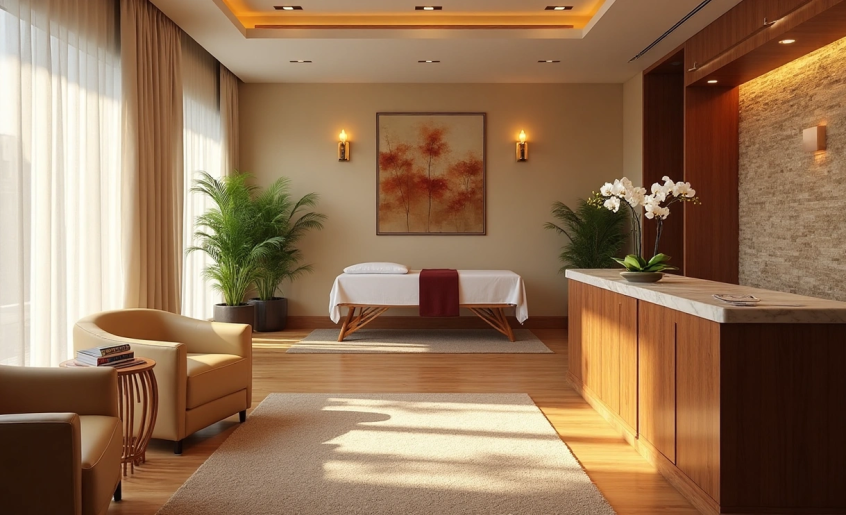
Westlands is one of those Nairobi spots where everything feels close, cafés, gyms, malls, and plenty of wellness options within a short ride. If you’re searching for Massage in Westlands, you’ll find everything from quick stress relief after work to longer sessions that help with tight shoulders, back pain, or sore legs.
The tricky part isn’t finding a place, it’s choosing one that’s clean, professional, and a good fit for what your body needs. Some spas focus on calm relaxation, others lean toward sports recovery, and a few offer add-ons like aromatherapy or hot stones. Knowing what to ask before you book can save you time and money.
This post breaks it down in plain terms. You’ll learn the most common massage types available in Westlands, what each one feels like, and who it works best for. You’ll also get a clear idea of typical prices, what affects the cost (time, technique, therapist experience, location), and what a normal session should include.
Most importantly, we’ll cover simple safety checks so you can book with confidence, plus practical tips to get more from your appointment, before you arrive, during the massage, and after you leave.
Massage in Westlands: what you can expect and why people book it
Booking a Massage in Westlands is usually simple, but it helps to know what the experience looks like end to end. Most places follow the same basics: a quick chat about what’s going on in your body, a clear plan for the session, and practical aftercare so you don’t walk out feeling confused. If you’re new to massage, think of it like a tune-up, you’ll feel the difference most when you show up with a clear goal.
Common reasons people look for massage in Westlands
People book massage for two big buckets: wellness (to feel calmer and sleep better) and pain relief (to ease tight or tired muscles). In Westlands, the most common triggers are everyday Nairobi life.
Here are the situations therapists hear about all the time:
- Long hours at a laptop: Your neck cranes forward, shoulders creep up, and your upper back gets stiff. A focused back, neck, and shoulder session can help your posture muscles relax.
- Traffic stress: Sitting for long stretches can lock up hips and lower back. Many people just want to “switch off” after a tough commute.
- Gym soreness: Leg day, a long run, or a new class can leave quads, calves, and glutes feeling like tight ropes. Sports-style work can ease that heavy feeling.
- Stiff neck and shoulders: Often from phones, screens, and stress. A therapist can loosen the traps and upper back without going painfully deep.
- Lower back tightness: From sitting, lifting, or standing all day. Good sessions combine lower back, glutes, and hip work for real relief.
Results are usually realistic and steady: less muscle tightness, a calmer mood, and better sleep that night. If you’ve had pain for months, you may need a few sessions plus better daily habits.
What happens in a typical session (before, during, after)
A typical booking starts with choosing a 60- or 90-minute slot. Sixty minutes suits one main problem area, while 90 minutes gives time for full-body work plus extra focus.
Before the massage, you’ll usually answer quick intake questions:
- What hurts or feels tight?
- Any injuries, recent procedures, or health issues?
- What pressure do you like (light, medium, firm)?
- Any areas to avoid (low back, abdomen, feet, or a sore shoulder)?
During the session, privacy should feel normal and respectful. You’ll undress to your comfort level, then lie under a sheet or towel. This is called draping, and only the area being worked on should be uncovered. If something feels too intense, say so early. Pressure is not a test of toughness.
After the massage, you’ll have a moment to get up slowly, then pay and head out. Many people feel sleepy, thirsty, or a bit “floaty.” It’s also common to feel slightly sore the next day, especially after deep tissue. Drinking water and doing gentle stretching can help.
When massage is not a good idea
Massage is not always the right move. Skip your session and get advice first if you have:
- High fever or you feel unwell
- Contagious skin issues (rashes, ringworm, open sores)
- Fresh injuries (new sprains, recent fractures, or severe bruising)
- Unexplained swelling, heat, or redness in a limb
- Sharp nerve pain, numbness, or tingling that’s getting worse
It’s also smart to talk to a doctor first if you’re pregnant, you’ve had recent surgery, you have a history of blood clots, or your pain is severe and unexplained. When in doubt, choose caution, your body will thank you.
Best massage types to book in Westlands (and who each one is for)
When you search for Massage in Westlands, you’ll notice the same few styles show up again and again. That’s because they cover most needs, from pure stress relief to targeted work for tight muscles. The right choice depends on two things: what your body feels like today and how much pressure you can comfortably handle. Use the descriptions below to match a massage style to your goal, without guessing.
Swedish massage for stress relief and first timers
Swedish massage is the “exhale” option, light to medium pressure with smooth, flowing strokes that help your body settle. It often includes gentle kneading and long passes over the back, legs, arms, and shoulders, so you leave feeling loose rather than worked over. It’s a great starting point if you’re unsure what to book, or if you want a calmer mind and easier sleep that night. Go lighter or skip strong pressure if you bruise easily, have very sensitive skin, or you’re recovering from a recent strain.
If you want a simple way to guide the session, ask for full-body Swedish with extra focus on the neck and shoulders. That combo fits most desk jobs and stress-heavy weeks.
Deep tissue massage for stubborn knots and desk back pain
Deep tissue is for tight areas that feel like hard ropes, often in the upper back, glutes, hips, and calves. The therapist works slower and firmer, using steady pressure to reach deeper muscle layers, so it can feel intense but controlled. It’s common to feel tender the next day, like a workout soreness, especially if you haven’t had a massage in a while. Communication matters here, tell your therapist what feels “good-strong” versus too much, because it shouldn’t feel like sharp pain (sharp usually means your body is guarding, not releasing).
People who should go lighter include anyone with a fresh injury, nerve symptoms (numbness or tingling), or low pain tolerance on that day. If you’re new, ask for a medium-deep session first, then build up over time.
Sports massage for active people and recovery
Sports massage is practical and goal-based, built around how you train, where you’re sore, and what you need next. It may start with warming strokes to increase blood flow, then move into focused work on overused muscles (think calves, hamstrings, quads, glutes, shoulders), plus stretching to restore movement. Timing helps: book it after a hard workout (later that day or the next day) for recovery, on a rest day for maintenance, or before an event if you want lighter, “wake up the muscles” work. Expect a mix of pressure, sometimes firm, but it should still feel controlled and helpful, not like you’re gritting your teeth.
To get more from it, treat it like part of recovery, not a one-off fix:
- Drink water before and after, and don’t mix it with heavy drinking later.
- Eat a simple meal within a few hours, especially if you trained hard.
- Keep the rest of the day gentle, light walking beats heavy lifting.
Go lighter if you’re badly dehydrated, extremely sore to the touch, or nursing a strain that hasn’t settled.
Aromatherapy and relaxing add ons for a calmer mind
Aromatherapy uses essential oils (usually blended into a carrier oil or used in the room) to add a calming scent layer to a Swedish or relaxation-style session. You’ll often get a choice like lavender for winding down, citrus for an uplifting feel, or eucalyptus for a fresher, clearer scent, although every spa has its own menu. The main benefit is how it supports relaxation and mood, it won’t “cure” health problems, but it can help your mind slow down so your body follows. It’s a nice add-on if you carry stress in your jaw, shoulders, or chest, or if you want your session to feel more spa-like.
Some people should be cautious or skip it. If you have asthma, frequent migraines triggered by scent, sensitive skin, allergies, or you’re pregnant, ask for a patch test, a lower concentration, or a fragrance-free option. If any scent feels overwhelming, speak up early, the goal is comfort, not pushing through.
How to choose a good massage place in Westlands (safety, hygiene, and comfort)
When you’re booking a Massage in Westlands, the nicest photos and the fanciest name don’t mean much if the basics are off. A good place should feel safe, clean, and calm from the moment you walk in. Think of it like choosing a restaurant, you don’t need to see the kitchen, but you should notice signs that hygiene and standards are non-negotiable.
Use the guide below as a simple decision filter. If a spa ticks most of these boxes, you’re usually in good hands.
Signs of a professional and clean setup
A professional space looks tidy, but it also runs in a professional way. The details add up fast, especially when you pay attention to what happens before the massage even starts.
Here’s what you want to see and feel:
- Fresh linens and clean towels: Sheets should look and smell clean, not “mostly okay.” Towels should be dry, stain-free, and stored neatly.
- Hand washing (or sanitizer) before contact: A therapist should wash hands in front of you or use sanitizer before starting. If they’ve been handling phones, cash, or door handles, they should clean their hands again.
- Sanitized rooms and high-touch surfaces: The room should look wiped down between clients, especially the massage table face cradle, arm rests, door handles, and any tools.
- Proper draping: You should be covered with a sheet or towel the whole time, with only the area being worked on uncovered. Draping is about privacy and comfort, not a “nice extra.”
- A calm environment: Clean floors, low noise, and a steady temperature matter. If the room feels chaotic, your body won’t relax.
- Clear boundaries and respect: The therapist should explain where they’ll work, check pressure, and respond when you say “softer” or “stop.”
- Punctuality and clear booking rules: A solid place confirms your time, starts close to schedule, and tells you how late arrivals work. You shouldn’t have to guess the rules.
A quick comfort check also helps. If the table wobbles, the headrest smells off, or the room feels damp, trust that signal.
Questions to ask before you book
A good spa won’t get irritated by normal questions. Clear answers usually mean clear standards. Keep it simple and ask what you need to feel comfortable.
Here are sample questions you can copy and paste when booking:
- “Do you have a male or female therapist available? I have a preference.”
- “How long is the session time, 60 minutes, 90 minutes, or something else?”
- “What’s included in the price (full-body, back-only, focus areas)?”
- “Do you do proper draping during the massage?”
- “Can I request light, medium, or firm pressure?”
- “Do you have a shower available before or after the session?”
- “What payment methods do you accept (cash, card, M-Pesa)?”
- “What’s your cancellation or reschedule policy?”
- “Do you handle specific issues like neck pain, lower back tightness, or sports soreness?”
- “Do you ask intake questions about injuries or areas to avoid?”
Pay attention to how they respond. A clear, calm reply is usually a good sign. If they dodge basic questions, keep looking.
Red flags to avoid
Some warning signs are obvious, others show up in the way the place communicates. You don’t need to be paranoid, just practical. If a few red flags stack up, it’s safer to walk away.
Watch out for these:
- Vague pricing: If they won’t tell you the full cost upfront, including add-ons, expect surprises.
- Pressure to add extras: Upselling is normal, pushing you to buy extras or upgrade in a way that feels uncomfortable is not.
- An unclean or unsafe space: Dirty floors, used linens, bad odors, or clutter in treatment rooms are a hard no.
- No intake questions at all: If they don’t ask about injuries, pain points, pressure preference, or areas to avoid, they’re guessing with your body.
- They ignore consent: If you say an area is off-limits and they keep going, end the session.
- They won’t explain what they do: A professional can tell you what style they use and what to expect without being defensive.
- Rushed, chaotic vibe: Constant interruptions, staff arguing, or people walking in and out can ruin comfort and privacy.
If something feels off, act on it early. You can ask to adjust pressure, request better draping, or stop the session. You don’t owe anyone politeness at the expense of your safety.
Massage prices in Westlands: what affects cost and how to budget
Massage in Westlands comes in a wide range of prices, even for the same style. That’s normal. You’re paying for time on the table, the therapist’s skill, the space, and any extras you choose. The easiest way to budget is to decide what you want (relaxation, pain relief, or recovery), then match it to a session length and a simple set of add-ons.
What changes the price (time, technique, and add ons)
Most pricing starts with the session length. Think of time like a meal size, a snack, a full plate, or a slow Sunday lunch.
- 30 minutes: Best for one area (neck and shoulders, lower back, or calves). It’s cheaper, but it can feel rushed if you want full-body work.
- 60 minutes: The most common “sweet spot.” It usually fits a full body at a steady pace, or a focused session with enough depth.
- 90 minutes: Higher cost, but better value when you want full body plus extra time on a problem area. It also works well if you like slower work and more stretching.
Technique also matters. A deep tissue session often costs more than a relaxation-style massage because it’s more demanding and usually needs a more experienced therapist. A relaxation (Swedish) session tends to be priced lower, and it’s ideal when your main goal is to calm your nervous system and sleep better.
Add-ons can push the total up quickly, so choose them on purpose:
- Hot stones: More setup and extra tools, usually priced higher. Great when you want warmth and deep relaxation.
- Aromatherapy: Often a small extra fee. Good if scent helps you unwind, skip if you’re sensitive.
- Couples sessions: Often priced as two sessions at once, sometimes with a small premium for the room setup and timing.
Other factors that can change cost include therapist experience, peak-hour demand (evenings and weekends), and the spa’s location and facilities.
How to get the most value from your session
You don’t need the most expensive menu item to get a great result. You need a clear plan.
Start with one main goal, then tell your therapist what success looks like. Are you trying to ease headaches, release tight hips, or just switch your mind off?
A few simple habits help you get more from your money:
- Pick one main goal and say it out loud at the start.
- Mention pain points and any injuries before they begin.
- Don’t rush in stressed; arrive 10 to 15 minutes early.
- Book longer if you want full body plus a problem area (60 minutes can feel tight).
- Ask about off-peak times if your schedule is flexible.
- Check for packages if you plan to go weekly or monthly (bundles often lower the per-session cost).
If you’re unsure, book 60 minutes first, then adjust next time based on how your body responds.
Home and hotel massage in Westlands: convenience vs cost
Home and hotel massage is all about convenience. You skip traffic, keep your own shower nearby, and you can rest right after. The tradeoff is cost and planning.
Here’s what usually changes the price:
- Travel fee: You’re paying for the therapist’s transport and time.
- Setup time and supplies: Table, linens, oils, and cleanup are built into the quote.
- Scheduling: Late-night or short-notice bookings often cost more.
Privacy can feel better at home, but safety checks matter more. Stick to reputable providers, and confirm details before you open the door:
- Verify identity (name, company, and appointment time).
- Confirm the therapist on arrival matches who you booked.
- Pay through known methods (avoid unclear deposits to personal lines).
- Share your appointment details with a friend or front desk if you’re in a hotel.
If you want Massage in Westlands without extra fees, an in-spa visit is usually the better deal. If your priority is comfort and zero travel, home service can be worth the premium.
How to prepare for your massage and feel better after
A great massage starts before you get on the table. A little prep calms first-time nerves and helps your therapist work smarter, not harder. If you’re booking a Massage in Westlands after work, after the gym, or on a weekend, use these steps to feel more comfortable and get better results.
Before you arrive: quick prep checklist
Think of this like packing for a short trip. You don’t need much, but the right basics make everything smoother.
- Eat a light meal 1 to 2 hours before. A banana, yogurt, or a small plate works. Heavy food can make you feel sick when you lie face down.
- Drink water in the hours before your session. Don’t chug right before you walk in, you’ll just spend the hour thinking about the bathroom.
- Arrive 10 minutes early. That extra time helps you breathe, use the restroom, and answer intake questions without rushing.
- Share health issues up front: injuries, recent surgery, pregnancy, high blood pressure, blood thinners, skin allergies, or areas that go numb or tingle. This isn’t “too much info”, it’s how your therapist keeps you safe.
- Skip heavy perfume (and strong body spray). Scent lingers in small rooms, and it can trigger headaches for you or the therapist.
- Turn off your phone or put it on silent. You’ll relax faster when you’re not waiting for a buzz.
What to wear and hygiene basics also matter. Wear easy clothes you can change out of fast. Shower if you can, but don’t stress if you’re coming from the office. Clean skin, fresh socks, and deodorant are enough.
During the massage: how to communicate clearly
You don’t need “massage knowledge” to speak up. Clear, simple words help your therapist adjust in seconds. If you’re nervous, pick one or two phrases and use them early.
Try these:
- “Lighter pressure.”
- “More focus on shoulders.”
- “That is too sharp.”
- “Please avoid this area.”
Pain is not a badge of honor. A strong massage can feel intense, but it should still feel controlled and safe. If you catch yourself holding your breath, clenching your jaw, or pulling away, say something.
Consent is part of the service. You can ask for extra draping, request a different position, or stop the session at any time. Your comfort sets the rules.
Aftercare: what to do for the next 24 hours
After a massage, your body can feel loose, sleepy, or a bit “worked.” Treat the next day like recovery after a good workout.
For the next 24 hours:
- Drink water and keep caffeine and alcohol light, especially after deep tissue.
- Do gentle stretching (neck turns, shoulder rolls, hip openers). Keep it easy, no pushing.
- Take a warm shower if you feel tender. Heat can help muscles settle.
- Rest when you can, even if it’s an early night and a slower morning walk.
Mild soreness is normal, most common the next day. It should fade within 24 to 48 hours.
Seek help if you get severe pain, new numbness, weakness, or dizziness that doesn’t pass. A good session should leave you feeling better, not worried.
Conclusion
The best Massage in Westlands comes down to three things: your goal, your comfort, and a clear budget. If you want to relax and sleep better, Swedish (with or without aromatherapy) usually fits. If you’re dealing with tight knots from desk work, deep tissue can help, as long as the pressure stays controlled. If you train often, a sports-focused session plus light stretching is a smart pick.
Keep safety simple. Choose a clean place that does proper draping, asks intake questions, and respects boundaries. Skip any spot that’s vague on pricing, rushes you, or ignores consent. If you’re paying attention to cost, start with 60 minutes for a focused reset, go 90 minutes when you want full-body plus extra time on problem areas.
Thanks for reading. Make a shortlist, ask a few direct questions, and book a session length that fits your needs, then adjust after you see how your body responds.