Finding the right massage in Nairobi can feel a bit hit or miss. There are many choices, from budget walk-in spots to quiet VIP rooms with extras, and they don’t all offer the same quality or privacy.
A good massage can help in different ways, depending on what your body needs. Busy professionals often want stress relief and better sleep, athletes look for recovery and muscle work, travelers need to reset after long hours on the road or in the air, and couples may want a calm shared treat.
This guide breaks down what to expect when booking in Nairobi, without the fluff. You’ll learn the most common massage types (like Swedish, deep tissue, aromatherapy, hot stone, and foot massage), what affects pricing, and how long a session usually takes.
You’ll also get simple safety tips, what a clean, professional spa should look like, and how to choose a place that fits your budget, comfort level, and schedule. The goal is to help you book with confidence and leave feeling better, not guessing.
Massage in Nairobi: what to expect before you book
A good Massage in Nairobi should feel simple and respectful from the first message to the last minute of your session. Most professional places follow the same flow: you arrive, share what you need, get privacy, then the therapist checks in on pressure and comfort as they work.

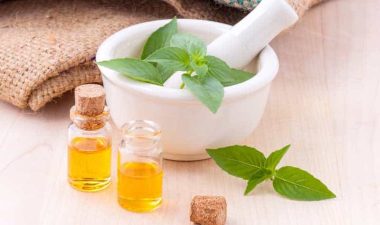
Photo by RDNE Stock project
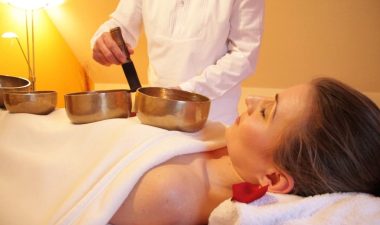
A typical appointment starts with a short consult (often 2 to 5 minutes). You’ll mention pain points, old injuries, your pressure level (light, medium, firm), and any allergies to oils or scents. Then you’ll be shown to a private room (or a screened area), with calm music and low lighting. The therapist leaves while you get on the table, and you’ll be draped with a sheet or towel so only the area being worked on is uncovered.
Common session lengths are 60 minutes (basic full body), 90 minutes (more time for problem areas), and 120 minutes (slow, thorough work plus extras like foot focus). Some spas offer shower access before or after, but it varies, so ask if it matters to you.
Common reasons people book massage in Nairobi
Most bookings come down to a few real-life needs:
- Stress relief after long workdays or busy weeks
- Neck and back pain from desk work, driving, or poor posture
- Sports recovery (tight calves, hamstrings, shoulders)
- Poor sleep and feeling “wired” at night
- Travel fatigue after flights, road trips, or long meetings
- Self-care when you want to reset and feel looked after
A quick way to choose is to match the goal to the style. Swedish suits relaxation and light tension. Deep tissue helps stubborn knots and tight muscles (expect stronger pressure). If you’re sore from training, ask for sports-focused work and slower stretching. If sleep is the goal, keep it calming, light to medium pressure, and skip intense trigger-point work.
Where people get massages in Nairobi (spas, wellness centers, and mobile therapists)
You’ll usually choose between a spa, a hotel spa, or an at-home mobile therapist.
- Spas and wellness centers: Often the best balance of price and consistency. You can also check cleanliness and staff conduct in person.
- Hotel spas: More privacy and quiet, usually higher prices, and a more polished setting.
- Mobile massage at home: Great for convenience and comfort, but you need to confirm setup and professionalism upfront.
For mobile bookings, confirm these details before you pay:
- Massage table (not a couch-only setup)
- Fresh sheets and clean towels
- Oils used (unscented option if you’re sensitive)
- Travel fee and exact arrival window
- Safety plan (verified contact, clear address, you can have someone else at home)
What to wear, what to bring, and how to prepare
Wear something easy to change out of, and keep valuables simple. If possible, arrive 10 minutes early, drink water, and avoid a heavy meal right before. A quick shower helps you feel fresh, but it’s not required. Remove jewelry, silence your phone, and use the toilet before the session starts.
If you’re nervous, say so. A professional therapist will explain draping, ask about pressure, and check in without making it awkward. Speak up if anything feels off: the room temperature, the music volume, the pressure, or a sore spot.
Signs a spa is professional are easy to spot: clean linens, clear pricing, respectful staff, consent before sensitive areas, and no pressure to add extra services you didn’t request. If boundaries feel unclear, it’s okay to end the session and leave.
Types of massage you can find in Nairobi and who each one is for
Most places offering Massage in Nairobi keep their menu simple: a relaxing option, a firm muscle-focused option, and a few comfort add-ons like oils or heat. The best choice depends on what your body needs today, not what sounds fancy. If you’re dealing with a medical issue, recent injury, pregnancy, or ongoing pain, check with a clinician first and let the therapist know before the session starts.
Swedish and relaxation massage for stress and better sleep
Swedish (often called relaxation massage) uses gentle to medium pressure with long, smooth strokes. It’s the classic “reset” massage, the one that helps your shoulders drop without you thinking about it.
What it feels like: flowing strokes, light kneading, and steady rhythm. The goal is comfort, not digging for knots.
Best for:
- Stress, burnout, and feeling mentally “full”
- Light tension from desk work or long days
- People who want better sleep and a calmer mood
- Anyone booking a first massage and unsure about pressure
Who should be careful: if you bruise easily, have a fresh injury, or have skin irritation, ask for lighter pressure or skip certain areas. If you’re pregnant, ask for a therapist trained in prenatal care and safe positioning.
What to expect after: most people feel calm, loose, and sleepy. You might notice you breathe deeper and your jaw unclenches. Drink water, keep your evening light, and let your body enjoy the downshift.
Simple tip: try slow nose-breathing during the first five minutes (in for 4, out for 6). Put your phone on silent and keep it out of reach so your mind can actually switch off.
Deep tissue and sports massage for tight muscles and training recovery
Deep tissue and sports massage focus on deeper pressure and slower work. The therapist takes time on knots, tight bands, and overworked areas like calves, hips, shoulders, and lower back.
What it feels like: slow, firm pressure that can be intense in tight spots. Sports massage may include stretching and more targeted work based on your activity.
Best for:
- Stubborn knots and “stuck” tightness
- Recovery after gym sessions, running, or field sports
- People who sit a lot and feel locked in the hips and upper back
Who should be careful: avoid deep work over a new injury, swelling, or sharp pain. If you have a health condition that affects circulation, nerves, or healing, get advice from a clinician first. Pregnancy also needs a trained prenatal therapist, not deep pressure on the wrong areas.
What to expect after: it’s normal to feel mild soreness the next day, like post-workout tenderness. You should still feel looser and move better.
A quick guide to pressure:
- Good pain feels strong but controlled, and you can breathe through it.
- Bad pain feels sharp, burning, or makes you tense up and hold your breath.
If it’s bad pain, say it clearly: “Please reduce pressure,” or “That spot is too much.” A professional therapist will adjust right away.
Aromatherapy, hot stone, and herbal add ons for full body relaxation
Add-ons can make a standard session feel richer, especially if your body holds tension from stress and long commutes.
What it feels like: aromatherapy uses scented oils to create a calming vibe, while hot stone adds steady warmth that helps muscles soften without heavy pressure. Herbal options often focus on soothing comfort (like balms or warm compress-style touches, depending on the spa).
Best for:
- People who want deeper relaxation without deep pressure
- Anyone who feels stiff and cold in the muscles (hot stone can feel amazing)
- Those who love scent, mood, and spa atmosphere
Who should be careful: if you have allergies, asthma, migraines triggered by fragrance, or sensitive skin, request unscented oil or skip aromatherapy. Be cautious with hot stone if you’re heat-sensitive, prone to dizziness, or don’t tolerate high warmth well. Always tell the therapist if something feels too hot.
What to expect after: a “melted” feeling, slower thoughts, and a calm body. Some people sleep hard that night.
Foot and targeted massages for people on the move in Nairobi
If you’re walking a lot, standing for work, or stuck in traffic daily, a focused session can be a practical choice.
Foot massage: great for tired soles, tight arches, and heavy legs after long days. It often includes the calves, which helps if your feet feel like they’re carrying extra weight.
Targeted neck and shoulder work: ideal if you drive often, ride in traffic, or sit at a desk. This style focuses on the upper back, traps, and neck, where stress tends to park itself.
Who should be careful: avoid strong foot work if you have a fresh ankle injury or unexplained swelling. If neck pain shoots down the arm, feels numb, or keeps returning, get clinician advice before aggressive pressure.
What to expect after: lighter steps, easier neck movement, and less “helmet tightness” around the head. For best results, combine 30 minutes targeted work with a short full-body session, so the rest of your muscles don’t stay tense and pull you right back.
How much does massage in Nairobi cost? real pricing factors to know
Prices for Massage in Nairobi can swing a lot, even when the menu names look the same. One spa may price higher because it’s in a prime neighborhood with quieter rooms and trained therapists, while another keeps costs low with shorter sessions and basic facilities. Instead of chasing the “cheapest,” compare what you actually get for your money, like time on the table, hygiene standards, and how the staff handles consent and comfort.
Here are the biggest factors that shape what you’ll pay.
Session length and value: 60 vs 90 vs 120 minutes
Session length is usually the clearest price driver, and it also changes the result you walk out with.
- 60 minutes: Best if you want a solid reset or you have one or two problem areas (neck and shoulders, lower back, calves). It’s also a good first visit length if you’re testing a new spa or therapist.
- 90 minutes: The sweet spot for many people. You can get a full-body massage and still spend real time on tight spots, like hips, upper back, or feet. If you sit all day, this often feels “complete” instead of rushed.
- 120 minutes: Ideal for deep relaxation and thorough work, especially if stress has been building for weeks. It suits people who want slow, steady pressure, a longer wind-down, and time for both sides of the body without shortcuts.
Tip: if you want deep tissue plus stretching, book longer. Stretching, joint work, and careful knot release take time, and a shorter slot can turn it into a rushed session.
Packages, memberships, and first time offers (what to check)
Deals can save money, but only if the rules match your schedule. Before you pay, ask a few simple questions so you don’t get stuck.
- Expiry dates: Does the package expire in 30, 60, or 90 days?
- Cancellation and rescheduling rules: How much notice do they need, and do they charge a fee?
- Transfer policy: Can you share a session with a spouse or friend, or is it tied to one person?
- What’s included: Are add-ons (hot stone, aromatherapy) part of the package, or extra each time?
If you’re new to a spa, try one session first before committing. It’s like buying shoes, you need to see if the fit is right (pressure, professionalism, privacy, and cleanliness).
Tipping and etiquette in Nairobi spas
Tipping in Nairobi spas is usually optional, and it should reflect the service you received. If you loved the therapist’s work, a tip is a kind gesture. If the service was average, you can skip it without guilt.
A few basics keep things smooth and respectful:
- Arrive on time so you get your full session.
- Speak up about pressure and boundaries early, a good therapist will adjust fast.
- Keep phone use minimal (silent mode is best), it helps you relax and respects the space.
- Show up clean or at least freshen up, and let the spa know if you’re sick or have a skin issue.
To compare value without guessing, focus on time on the table, clean linens, a brief consult, and clear policies. If anything feels unclear or pushed, choose another place. Your comfort is part of what you’re paying for.
How to choose a great massage place in Nairobi (safety, hygiene, and results)
Choosing the right place for Massage in Nairobi is less about fancy decor and more about basics done well. You want three things: you feel safe, the space is clean, and you get real results (less pain, better sleep, looser muscles, calmer mood). A good spa makes those things obvious before your session even starts.
Use this quick selection checklist as you compare options:
- Reviews and reputation: Look for repeat clients, consistent comments on cleanliness, and how the spa responds to complaints.
- Therapist training and experience: Ask about experience with your need (stress relief, sports recovery, lower back pain).
- Cleanliness standards: Fresh linens per client, clean oils, and wiped-down surfaces.
- Privacy and draping: Proper towels or sheets, doors that close, and a therapist who steps out while you change.
- Consent and boundaries: Clear communication, permission before sensitive areas, and respect for “no.”
- Clear menu and pricing: Services explained in plain language, with total cost shared upfront.
- How they handle complaints: You should know who to talk to, and they should take concerns seriously.
Questions to ask before booking
A short call or WhatsApp chat can save you from a bad experience. Keep it simple and listen to how they answer, a professional place won’t sound irritated or vague.
- Can I request a male or female therapist, or choose “no preference”?
- What session lengths do you offer (60, 90, 120 minutes), and what’s the total cost?
- What massage styles do you offer (Swedish, deep tissue, sports, hot stone, foot)?
- Do you offer light, medium, and firm pressure, and can I change it during the session?
- I have an injury or ongoing pain, what’s your process to handle that safely?
- Do you have a shower available before or after the massage?
- Is there parking, and is it secure and easy to access?
- What payment methods do you accept (cash, card, M-Pesa), and do you require a deposit?
- What is your cancellation or rescheduling policy?
- Can I request a quiet session (no talking, lower music, no phone calls nearby)?
- Do you do a short consultation before the massage starts?
Signs of a professional, high quality spa experience
The best spas feel organized, calm, and respectful in small ways. You notice it right away.
Clean basics, done every time: fresh-smelling linens, a clean face cradle cover, and towels that look newly washed. Oils should be in clean containers, not sticky bottles passed hand to hand. Tools (like hot stone gear or foot basins) should look sanitized, not just rinsed.
A quick consult before touch: a therapist should ask where you’re tight, what you want to avoid, and what pressure you like. This is also where you mention allergies, pregnancy, or an old injury. If you say your lower back is sensitive, they should adjust the plan, not argue.
Respectful draping and privacy: they leave the room while you get on the table, and they keep you covered. Only the area being worked on is uncovered. Comfort isn’t a bonus, it’s part of quality.
Check-ins that feel normal: a great therapist asks, “Is this pressure okay?” and adjusts fast. You should never feel like you’re “bothering” them by speaking up. Boundaries matter too, you can say “skip my stomach,” “avoid glutes,” or “no stretching,” and it should be respected without attitude.
Red flags to watch out for
If something feels off early, trust that signal. You’re not being picky, you’re protecting your body and your peace.
Watch out for these red flags:
- Unclear services or pricing, or reluctance to share total cost upfront
- Pressure to accept add-ons you didn’t ask for
- Dirty rooms, stained towels, reused linens, bad smells, or messy oil bottles
- Lack of privacy, no proper draping, doors left open, or people walking in and out
- Staff who dismiss your needs, ignore injuries, or push “pain is normal” when it feels sharp
- Poor communication, rude tone, or rushing you through the consult
If you feel unsafe or disrespected, end the session. You can say, “Please stop, I’m not comfortable continuing.” Get dressed, pay only what’s fair based on the situation and the spa’s policy, then leave and choose another provider. A professional spa will care about fixing the issue, not blaming you for speaking up.
Planning your visit: the best times, locations, and aftercare tips
A good Massage in Nairobi starts before you get on the table. When you book, where you go, and what you do after can change the whole result. Think of it like cooking, the ingredients matter, but timing and rest time make the meal.
If you want a quieter session, weekday mornings and early afternoons often feel less rushed. Weekends and evenings are popular, which can mean fuller waiting areas and tighter time slots. If you can only do after work, book earlier in the day and aim to arrive a bit ahead of time so you’re not bringing traffic stress into the room.
Kilimani and nearby areas: why location matters for convenience
Nairobi traffic can turn a relaxing plan into a tense commute. Choosing a spa near where you already are (home, work, or your usual route) keeps the day easier and helps you show up calm.
When you compare locations, keep these practical points in mind:
- Traffic patterns: Peak hours can add a lot of delay. If you’re booking evenings, leave early or choose a closer spot.
- Access from major roads: A place that’s easy to reach from main routes can save you time and mental effort.
- Parking: Ask if they have on-site parking, how full it gets, and if it’s easy to exit afterward.
- Security and lighting: Especially for late appointments, check if the entrance feels safe and if there’s visible security.
- Your post-massage route: You’ll feel softer after a good session. A long, noisy trip home can tighten you right back up.
Quick planning tip: if you’re going for deep tissue, avoid scheduling it right before a packed evening. Give yourself a buffer so you can move slowly after.
Aftercare that helps your massage last longer
Aftercare doesn’t need to be complicated. The goal is to help your muscles stay loose, not snap back into old tension.
A simple routine that works for most people:
- Drink water over the next few hours (steady sips, not chugging).
- Do gentle movement like a short walk or easy mobility to keep things flowing.
- Skip heavy workouts for the rest of the day after deep work (or at least keep training light).
- Use warmth if you feel stiff later, a warm shower can calm tight areas.
- Light stretching helps, but keep it mild and slow.
Some soreness is normal, especially after firm pressure, and it can feel like post-gym tenderness for 24 to 48 hours. Seek medical advice if you get sharp pain, numbness or tingling, new swelling, or weakness that doesn’t feel right.
If you’re traveling (long flights, jet lag, lots of sitting), massage can help you reset. Book it after you’ve had food, water, and a bit of rest, not the minute you land.
To keep results going, match your next booking to your goal: stress relief often works well every 2 to 4 weeks, while muscle pain or tight knots may need a shorter gap at first (about 1 to 2 weeks), then less often once you feel better. Listen to your body, it usually tells you when it’s time.
Conclusion
A great Massage in Nairobi comes down to a few smart choices. Pick the style that matches your goal, Swedish for stress and sleep, deep tissue or sports work for stubborn tightness, and add-ons like heat or aromatherapy when you want calm without heavy pressure. Know what shapes the final price too, session length, location, therapist skill, and whether you’re paying for a quiet, private setting or a basic walk-in.
Don’t treat safety as a bonus. A professional spa makes consent normal, keeps clear boundaries, and stays consistent with hygiene, fresh linens, clean rooms, and a quick consult before any hands-on work. Plan your timing so you can enjoy the benefits, book quieter hours when you can, choose a convenient location to avoid traffic stress, and give yourself space afterward to hydrate and move gently.
When you’re ready, book a session that fits your body and your budget, then say what you need. Tell your therapist your pressure level, sore spots, and no-go areas, and speak up during the massage so you leave feeling better, not just “done.”