
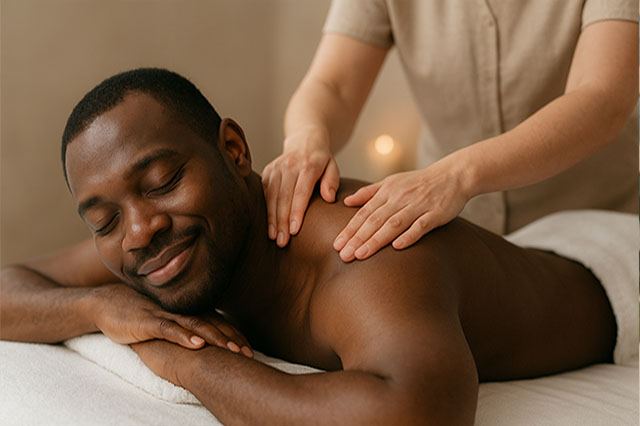
You are in Nairobi traffic, tired, tense, maybe a bit lonely, and your mind drifts to the idea of a massage. You want to switch off your brain for an hour, relax your body, and feel human again. At the same time, you do not want drama, shame, or a bad surprise when you walk into a room with a stranger.
Massage is simple in theory: it is hands-on bodywork that helps you relax, ease pain, and feel good in your own skin. A therapist uses touch, oil, and different strokes on your muscles to calm your nervous system, loosen tight spots, and reset your body. Done well, it can help with stress, headaches, body aches, and even low mood.
In Nairobi, the choices can feel wild. There are hotel spas, high-end wellness centers, small parlors in office blocks, and private apartments advertised online. Some places focus on pure relaxation or pain relief, others hint at something more sensual, and it is not always clear what is safe, what is legal, or what matches what you actually want.
This guide is here to clear that up in a calm, honest way. You will see the most common types of massage in Nairobi, how a normal session works from start to finish, and what kind of touch you can expect. You will also get plain tips on how to pick a safe, discreet provider, how to avoid risky setups, and how to enjoy the experience while staying within Kenyan law and respecting everyone involved. No judgment, just straight talk so you can make your own choice with confidence.
What Is Massage and Why Do People in Nairobi Love It?
Massage is simple bodywork that uses touch, pressure, strokes, and light stretching to help your body relax. A therapist works on your back, shoulders, legs, neck, and sometimes your head and feet. With oil and steady hands, they follow the lines of your muscles until your body starts to soften and your mind slows down.
For many people in Nairobi, massage is a break from long workdays, traffic, noise, and expectations from family and social life. A good session can help you sleep better, breathe deeper, and feel more connected to your own body. Some people mix massage with dating or nightlife, or look for sensual or adult services. That exists in the city, but professional massage focuses on comfort, wellness, and safe relaxation.
You get an hour or more where your only job is to lie down and receive care. In a city that runs on hustle, that alone can feel like a luxury.
Physical and mental benefits of a good massage
A proper massage feels like someone is pressing the “reset” button on your body.
Physically, it can help with:
- Tight muscles from sitting in traffic or at a computer
- Back and neck pain from poor chairs, heavy bags, or sleeping badly
- Headaches from stress, screens, or stiff shoulders
- Sports soreness after the gym, football, or running
When a therapist uses slow, firm strokes, muscles warm up and let go. You may walk out standing taller, moving easier, and breathing more freely. Sleep often improves, and many people notice fewer random aches in the following days.
Mentally, massage calms your nervous system. The quiet room, soft touch, and steady rhythm lower stress and help your brain switch from survival mode to rest mode. You may feel:
- Less anxious
- More patient
- Lighter in mood
For someone carrying Nairobi stress on their shoulders, that mental pause can be as valuable as the pain relief.
Why massage fits Nairobi life so well
Nairobi life is busy and intense. Long commutes, crowded matatus, packed CBD pavements, and pressure at work all build tension in the body.
Massage fits this lifestyle because it gives you a short, clear escape:
- After hours in traffic, your lower back, hips, and neck hurt. A focused session on these areas can feel like getting a new spine.
- If you sit at a desk all day, your shoulders creep toward your ears, and your eyes burn. A back, neck, and head massage helps you feel awake without another coffee.
- After nightlife or partying, your body feels drained. A gentle full-body massage can help with hangover fatigue and heavy legs.
- If you juggle family, dating, and social life, you may have no real quiet time. One 60 to 90 minute session is like switching your brain off and plugging into a charger.
Many people in Nairobi also book private or mobile massage at home or in serviced apartments. This saves time in traffic, offers more privacy, and lets you rest immediately after the session instead of fighting your way back through the city.
In a place where everyone seems busy, massage is one of the few times you can put your phone away, be touched in a safe way, and feel cared for without needing to perform for anyone.
Popular Types of Massage You Can Book in Nairobi
When you start browsing Nairobi massage menus, you will see the same few styles again and again. Each style has a different goal, from light relaxation to serious muscle work. Knowing the basics helps you book something that fits your body, your mood, and your comfort level.
Professional massage focuses on wellness and relaxation only. Any sexual offer is not part of legitimate massage and can come with legal or safety risks.
Swedish massage for full body relaxation
Swedish massage is the classic full-body relaxation option in Nairobi spas and private setups. If you are new to massage or a bit nervous, this is usually the safest place to start.
The therapist uses:
- Light to medium pressure
- Long, flowing strokes along the muscles
- Gentle kneading and circling
The goal is to calm your nervous system, improve circulation, and soften general tension, not to dig into deep knots. Many people feel sleepy within minutes, and it is normal to drift in and out of a nap.
A typical Swedish session in Nairobi flows in a familiar pattern:
- You start lying face down. The therapist works on your back first, from lower back up to shoulders.
- They move to the back of the legs, often including calves and feet.
- You turn face up. They work on the front of the legs, then arms and hands.
- The last part usually includes neck, shoulders, and sometimes scalp.
It feels smooth and rhythmic. If you spend your day in traffic or behind a screen and just want to switch off, Swedish massage is your friend.
Best for:
- First-timers
- People who feel anxious about strong touch
- Anyone who wants to relax, clear their head, and maybe sleep
Deep tissue and sports massage for muscle pain
Deep tissue and sports massage are the “harder” options. The pressure is stronger, the movements are slower, and the therapist aims for the deeper layers of muscle.
You can expect:
- Firm, focused pressure with thumbs, knuckles, or elbows
- Slow strokes along the muscle fibers
- More time spent on problem areas, not equal time on the whole body
These styles can feel intense, especially on tight spots. You might feel a “good pain” as knots release. It should never feel like injury or burning. Always speak up if the pressure is too much, and ask the therapist to ease off.
They are popular in Nairobi with:
- Drivers and riders who have low-back and hip pain from long hours on the road
- Office workers with stiff necks, tight shoulders, and tension headaches
- Gym lovers, footballers, and runners who want faster recovery and less soreness
Deep tissue and sports massage focus on function, so the session may feel less “spa-like” and more like targeted bodywork. You still get relaxation, but the main aim is relief from pain and stiffness.
Aromatherapy, hot stone, and spa-style treatments
If you want your massage to feel like a mini holiday, aromatherapy, hot stone, and spa packages are a good fit. These focus on sensory comfort as much as muscle work.
- Aromatherapy massage uses essential oils with scents that can relax or energize you. Lavender, eucalyptus, citrus, or lemongrass are common. The strokes are usually similar to Swedish, but the aroma adds a soft, emotional lift.
- Hot stone massage adds smooth, warm stones that the therapist places on your back or holds in their hands while they work. The heat melts tension and helps muscles relax faster, so the pressure can stay gentle.
- Spa-style packages combine massage with extras like body scrubs, facials, steam, or soaking tubs. Some places in Nairobi also offer couples spa days, where two people share a room and get pampered together.
Picture soft music, low lighting, warm oil, and calm scents. These sessions are popular for:
- Date nights or anniversaries
- Birthdays and special treats
- Stress relief weekends or staycations
- People who want pampering more than deep muscle digging
If you feel burnt out, this type of massage can feel like a reset button for your senses.
Couples and private apartment massages
Couples massage is simple to understand. Two people are treated at the same time, usually in the same room, each with their own therapist. You share the space and the atmosphere, but the therapists focus on your separate bodies and needs.
Couples sessions are great when:
- You want a romantic or bonding activity that is still relaxing
- You feel shy going alone and want a partner or friend with you
- You are celebrating something and want a shared memory
In Nairobi, many therapists and spas also offer private apartment or mobile massage. The therapist brings a portable bed or uses your bed, plus oil and towels, and treats you in your home or hotel room.
The pros are clear:
- Privacy and comfort in your own space
- No fighting traffic before or after
- You can shower, nap, or work right after the session
Because it happens in a private setting, you need to be extra careful about safety and respect. Agree on the type of massage before they arrive, keep communication clear, and stay within what is legal and professional. A proper therapist offers massage only and keeps boundaries, just like in a spa.
How a Typical Massage Session Works From Booking to Goodbye
A good massage should feel simple and safe from the first message to the final goodbye. When you know what is normal, it is easier to relax, enjoy the touch, and spot any red flags early. Here is what a standard 60 to 90 minute massage in Nairobi usually looks like, step by step.
Booking your massage and asking the right questions
Most people in Nairobi book massage by phone call, WhatsApp, or a simple online form. Hotels may let you call the spa from your room or the main reception. Mobile and apartment providers usually prefer WhatsApp because it is fast and clear.
Before you confirm, get the basics in writing or on voice:
- Location: Exact address or building name, nearby landmark, and floor or apartment number.
- Price: Total cost, including any call-out fee for home or hotel visits.
- Duration: How many minutes of actual massage time, usually 60 or 90.
- Type of massage: Swedish, deep tissue, aromatherapy, sports, or something else.
- Therapist gender: Ask directly if you prefer a male or female therapist.
- What is included: Full body or focused areas only, use of oil, shower access, any extras like scrub or steam.
You can say something simple like: “Hi, I would like a 90 minute Swedish massage at my apartment in Kilimani tonight at 8 pm. How much is it, and can I have a female therapist?”
Also confirm:
- Directions: Ask for a dropped pin on WhatsApp or clear written directions.
- Payment options: Cash, M-Pesa, or card at a spa.
- Rules: Cancellation window, late arrival policy, and whether they cut time if you arrive late.
A serious provider answers calmly and clearly. If someone avoids basic questions, keeps changing the story, or pushes for things you did not ask for, take that as a warning sign.
What to expect when you arrive
Arrival feels slightly different in a spa, hotel spa, or private apartment, but the basics are the same. You should feel welcomed, not rushed or pressured.
In a spa or hotel spa, you will usually:
- Greet reception and confirm your name and booking time.
- Fill a short form or answer a few health questions.
- Pay before or after the session, depending on their policy.
- Be shown to a treatment room and given a clean towel or sheet.
In a private apartment setup, the therapist or host will welcome you, confirm the session details, and show you the bathroom and massage space. You should still get a clean towel, sheet, or disposable cover.
You always change in private. The therapist steps out or turns away while you undress. Most full-body massage is done in underwear only, or fully nude if you prefer, but you choose what feels safe. If you want to keep your bra or shorts on, say so. A professional will work around it.
During the session, your body stays draped. The therapist covers you with a sheet or towel and only uncovers the part they are working on, like one leg or your back. Your breasts and genitals should stay covered at all times in a normal massage. If draping feels too open, you can ask them to adjust it.
During the massage: comfort, communication, and boundaries
Once you are on the table, you will lie face down first, usually with your face in a cushioned hole or on a folded towel. The room is often quiet, with soft music, dim light, and a neutral or light scent. The therapist will check the pressure and your comfort before they settle into a rhythm.
Most sessions follow a simple flow:
- Back and shoulders to relax you and warm the muscles.
- Back of legs and feet.
- Turn over, then front of legs and feet.
- Arms and hands.
- Neck, shoulders, and sometimes scalp to finish.
The therapist uses oil or cream so their hands glide smoothly. At the start, they will usually ask, “Is the pressure okay?” or “Any area to avoid?” This is your cue to speak up.
You can talk at any time to adjust:
- Pressure too strong or too light.
- Room too hot or too cold.
- Music too loud or you prefer silence.
- You want them to avoid certain areas.
You also have the absolute right to say no to any touch that feels wrong. If a hand goes somewhere you did not agree on, or the touch feels sexual in a way you did not request, say “Stop” or “That is not okay for me” and end the session if needed.
Respect runs both ways. Clients must not touch the therapist in a sexual way, expose themselves on purpose, make rude comments, or ask for any service that was not agreed at booking. In a professional massage, both people stay within the boundaries that were clear from the start.
Aftercare: how to feel your best after the session
When the time is up, the therapist will tell you the session is finished and step out or turn away so you can dress in private. Take a moment on the table before you stand; you might feel a bit light-headed after deep relaxation.
To get the most out of your massage:
- Drink water to help your body process any tension and waste products released from muscles.
- Take a warm shower later, especially if oil was used, to feel fresh and relax even more.
- Avoid heavy exercise or intense gym sessions right away if you had deep tissue work.
- Pay attention to how your body feels over the next 24 hours.
Mild soreness, like after a workout, can be normal after deep tissue or strong pressure. Sharp or worsening pain is not. If something feels wrong, contact the provider and, if needed, see a medical professional.
If you liked the experience, you can:
- Rebook before you leave or send a message later.
- Tip fairly, based on your budget and how you felt about the care.
- Leave a short, honest review so other people in Nairobi know what to expect from that therapist or spa.
A clear beginning, respectful touch, and simple aftercare are the signs of a healthy, professional massage experience from booking to goodbye.
Staying Safe and Discreet When Booking Massage in Nairobi
If you use online ads, directories, or social media to find massage in Nairobi, you have to think about safety, privacy, and the law. A listing site only shows profiles; it does not arrange meetings, check people in person, or guarantee what happens when you meet. You stay responsible for where you go, who you meet, and what you agree to.
The goal is not to scare you. With a few clear checks, you can avoid most bad situations and enjoy your massage with a calm mind.
Choosing trusted massage providers and avoiding scams
Some profiles are much more reassuring than others. Reliable providers usually have:
- Detailed profiles that describe the type of massage, session length, prices, and whether they are mobile or based in a spa.
- Clear photos that look natural and consistent, not random glamour shots stolen from the internet.
- Stable contact details, like the same phone number on several platforms or a number that matches a business WhatsApp.
- Realistic prices, within the normal Nairobi range for the area and type of service.
- Reviews that talk about timing, hygiene, pressure, and behavior, not just how “hot” someone looks.
On the other hand, some signs should make you pause. Common red flags include:
- Very low prices that feel too good, like half or a third of the usual rate for that area.
- Strong pressure to pay upfront by mobile money, especially the full amount before you even meet or confirm the address.
- Vague or changing locations, like “near CBD, I will guide you” or last‑minute moves to new apartments that are hard to find.
- Refusal to answer basics, like type of massage, length, whether they are male or female, or if you can meet at a public place first.
If you see a mix of these red flags, take it as a clear warning. Nairobi has had cases where fake “massage” ads were used for robbery and other crime. No discount is worth that risk.
Trust your instincts. If the chat feels off, the person gets rude when you ask normal questions, or you feel rushed to send money, just walk away. There are many other providers.
Privacy, payments, and meeting in public places
Your privacy is as important as your physical safety. You do not need to hand over your life story to book a massage.
To protect yourself:
- Share only what is needed. A first booking usually needs your first name, approximate area, preferred time, and type of massage. That is it.
- Avoid sending ID photos, passport copies, or selfies with your face if you do not know the provider well.
- Keep your workplace and full home address private until you feel sure you are dealing with a real professional. For apartments, you can share the building name first, then the unit number when the therapist is at the gate.
For payments, use methods that feel safe and traceable:
- Cash still works, but avoid carrying large amounts, especially at night.
- M‑Pesa is common in Nairobi. If you use it, send to a business till or paybill when possible, or confirm the name that appears matches the person or spa you booked.
- Keep screenshots of agreements and receipts. Save your chat history, rate, time, and location in case you ever need to explain what you agreed to.
If you book an outcall to a hotel or Airbnb, small extra steps make a big difference:
- Ask to meet in the lobby or reception first if the property allows it. It is easier to walk away if something feels wrong there than inside your room.
- Let a trusted friend know where you are, who you are meeting, and when your session should end. You can send them a pin and a screenshot of the profile.
- Agree that you will check in after the session with a short message or call.
These habits become simple once you use them a few times and they make online massage bookings in Nairobi much safer.
Understanding legal and ethical boundaries
In Kenya, licensed massage is about health, stress relief, and relaxation, not open sexual services. A normal session includes work on your back, legs, arms, neck, and sometimes head and feet, with draping and clear boundaries.
If someone openly advertises or pushes sexual services, you move into risky legal territory. That can expose both you and the provider to:
- Police trouble or arrest
- Blackmail or threats
- Situations where consent and safety are not respected
Staying within regular massage keeps things simpler and safer for everyone. It also shows respect for therapists who are trying to work, pay their bills, and avoid drama. If you see an ad that feels very explicit, understand that you are taking on extra risk if you decide to follow it.
Respect, consent, and clear communication
A good massage session is a two‑way street. Both client and therapist have rights and duties.
As a client, you are responsible for:
- Basic hygiene, like showering before the session and using clean clothes.
- Being on time, or letting them know early if you are running late.
- Staying polite, not drunk or aggressive, and keeping your hands to yourself.
- Listening when the therapist explains what is allowed and what is not.
The therapist, in turn, should:
- Listen when you talk about pressure, pain, or sensitive areas.
- Check that you are comfortable with draping and room setup.
- Stop or adjust if you say something is not okay.
Consent is simple. Both people clearly agree to what will happen, nobody is forced or tricked, and either person can say no at any time. If you withdraw consent, the session should end or change, without argument.
When you combine respect, clear talk, and a bit of caution, massage in Nairobi can stay what it should be: a safe, private break where your body and mind can relax.
Getting the Most From Your Massage Experience in Nairobi
Massage does not have to be a once-a-year birthday treat. In a city like Nairobi, with long commutes, noise, and constant pressure, it can sit quietly in the same category as sleep, good food, and exercise. The goal is not perfection or some strict wellness routine. It is a simple, practical plan that fits your body, your schedule, your budget, and your values.
Some people also combine massage with adult services for intimacy or stress relief. That is a personal choice. Whatever you choose, the basics stay the same: stay safe, stay respectful, and listen to yourself first.
How often should you get a massage?
There is no magic number that suits everyone, but a few simple ranges help.
For most people in Nairobi:
- General relaxation: About once a month is enough to keep tension from building up. Monthly sessions work well if you sit a lot, spend hours in traffic, or just want a regular reset without overspending.
- Serious stress or muscle pain: Try every 1 to 2 weeks for a while if your stress level is high or your neck and back feel tight all the time. You can start weekly when things are bad, then move to every 2 weeks as your body settles.
- Sports and injuries: Use massage as needed around training and recovery. For example, after a long run in Karura, a big gym session, or when an old ankle or knee flares up. If you are treating a real injury, talk to a physio or trained sports therapist first.
Two things matter more than any rule:
- Your body: If your pain or tightness comes back after a few days, you might need sessions closer together. If you feel good for weeks, stretch them out.
- Your budget and time: It is better to book a realistic rhythm, like one good massage a month, than to aim for weekly sessions you cannot sustain.
Massage is there to support your life in Nairobi, not to pressure you into buying more.
Combining massage with other self care habits
Massage works best when it is part of a bigger, simple routine. You do not need a fancy gym membership or expensive supplements to keep your muscles happier for longer.
A few easy habits:
- Gentle stretching: Spend 5 to 10 minutes in the morning or before bed on your neck, shoulders, hips, and calves. This is helpful if you sit in matatus, on boda bodas, or at a desk all day.
- Regular walks: Short walks around your estate, office block, or nearby park keep blood flowing and stop your lower back from stiffening again right after a massage.
- Drink enough water: Aim to sip water through the day, especially on days you get a massage. It helps your body process tension and can reduce that heavy, sluggish feeling afterward.
- Better sleep: Try to keep a steady bedtime and cut screen-time before sleep. Massage often improves sleep, and good sleep makes your next session more effective.
- Cut back on alcohol before a session: Going for a massage drunk or very hungover makes it harder to relax and can leave you feeling worse later. If you know you are drinking, book your massage for another day.
These small habits stop your muscles from snapping back into their old tight pattern. Think of massage as the big reset button, and these daily habits as the quiet maintenance that keeps you going.
Building a long-term relationship with your favorite therapist
In Nairobi, you will meet many therapists, but there is a special benefit in finding one or two you trust and sticking with them.
Over time, they:
- Learn where you tend to tighten up.
- Remember your preferred pressure and oil.
- Understand your health history and triggers, like migraines, back issues, or anxiety.
To be a good regular client:
- Arrive clean and on time. Shower if you can, use fresh clothes, and send a quick message if you are delayed.
- Be respectful. This is still work for them, even if the setting feels relaxed or sensual.
- Be honest about what you need. Say if you want more focus on your lower back, less oil, or less talking.
- Stay clear on boundaries. If you are there for professional massage only, say so. If you choose a provider who offers adult services too, agree clearly on what you are comfortable with before the session starts.
Trust grows slowly. The more your therapist knows your body and your limits, the safer you feel, and the better each massage becomes. Over time, you will not need to explain much. You walk in, lie down, and they already understand what your body is asking for that day.
Conclusion
Massage in Nairobi is simple at its core, yet powerful when you use it well. It is skilled touch that calms your nerves, softens tight muscles, and gives your mind a break from work, traffic, and noise. For a city that rarely slows down, that kind of pause is not a luxury, it is real self-care.
You now know what massage is, why Nairobi residents love it, and the main styles you will see, from gentle Swedish and aromatherapy to firm deep tissue and sports sessions, plus spa treats, couples sessions, and private apartment visits. You also know how a normal session should feel from booking to goodbye: clear communication, clean space, draped body, and steady, respectful touch. If anything feels confusing, rushed, or sexual when you did not ask for it, that is a sign to walk away.
The safest and most rewarding experiences come when both client and therapist stay respectful and honest. Choose well-reviewed or clearly described providers, set your boundaries early, protect your privacy, and listen to your body during and after each massage. If you already book often, this is the moment to be more intentional about who you see, how often you go, and what you want from each session.
If you have never tried massage, start with one trusted booking and treat it as an experiment. If you are already a regular, refine your routine so it fits your real life, not just impulse or habit. You deserve to relax, to feel good in your own body, and to enjoy services that are safe, consensual, and discreet in the middle of Nairobi’s chaos.