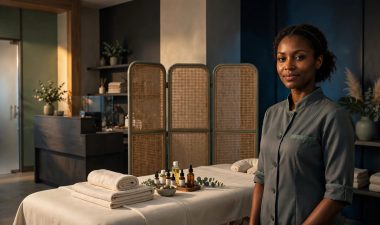
Massage is hands-on bodywork that uses touch, pressure, and movement to relax tight tissues and calm your nervous system. People look up the Benefits of Massage for simple reasons, they hurt, they’re stressed, they can’t sleep well, or they feel stiff after long days, workouts, or travel.
Some effects can feel instant. Many people notice a slower breathing pace, softer shoulders, and a quieter mind right after a session. Other benefits often build with regular visits, like fewer flare-ups of soreness, better range of motion, and a steadier sleep routine.
Not all massages feel the same, and that’s the point. Swedish massage is usually light and relaxing, deep tissue targets stubborn knots, hot stone adds soothing heat, aromatherapy mixes scent with touch, and sports massage focuses on recovery and movement. This guide will help you match the right style to your goal, whether that’s stress relief, pain control, better sleep, or faster recovery.
Top Benefits of Massage for Stress Relief and a Calmer Mind
Stress doesn’t just live in your head, it shows up in your body. Your shoulders rise, your jaw tightens, and your thoughts start looping. One of the biggest Benefits of Massage is how quickly it can help your body switch from fight or flight (stress mode) to rest and digest (calm mode).
When a therapist uses steady, caring pressure, your nervous system gets a clear signal that you’re safe. Research often links massage with lower cortisol (a key stress hormone) and higher serotonin and dopamine (chemicals tied to mood and ease). You might not feel those words in real time, but you’ll notice the shift in your body.
Here are a few practical signs it’s working:
- Your breathing slows without effort
- Your jaw unclenches, your shoulders drop
- Your hands stop gripping, your belly softens
- Racing thoughts quiet down, even for a while
A single session can help, but regular massage tends to work better because your body learns that calm state faster each time.
How massage helps with anxiety, mood, and burnout
Anxiety often feels like your body is stuck on high alert. Burnout can feel like the opposite, flat, heavy, and drained. Massage helps with both because it supports your nervous system in finding a steadier middle.
Think about everyday stress:
- Work pressure: back-to-back meetings, tight deadlines, sitting still for hours. Your neck and upper back start to feel like concrete.
- Parenting: carrying kids, broken sleep, constant mental load. Your lower back and hips take a beating, and your patience runs thin.
- Long commutes: traffic, loud noise, phone scrolling, and tense gripping on the steering wheel. Your jaw, forearms, and shoulders stay braced.
Touch matters here. When pressure is slow and predictable, your body stops “scanning” for the next stress hit. A quiet room helps too, because fewer inputs give your brain a break. Even simple, steady strokes can make you feel more grounded, like your body finally has permission to exhale.
To get the best results, tell your therapist what you need. Use this quick checklist:
- Stress level today (low, medium, high)
- Where you hold tension (jaw, neck, shoulders, low back, hips, hands)
- Preferred pressure (light, medium, firm, “firm but not painful”)
- What you want to feel after (sleepy, lighter, calmer, less pain, “clear-headed”)
Massage for better sleep and deeper relaxation
If you can’t fall asleep, or you wake up wired at 3 a.m., your nervous system may still be in stress mode. Massage supports sleep by helping your body downshift into a calmer state. When muscles release and breathing slows, it’s easier to settle into bed without that restless, keyed-up feeling.
To make a session work harder for sleep, set yourself up before and after:
- Book in the evening if you can, so you can go from calm to bed.
- Hydrate after your massage, especially if you feel groggy.
- Skip heavy meals and alcohol right after, both can disrupt sleep.
- Plan a calm bedtime routine (warm shower, dim lights, quiet music, phone on silent).
If you want massage mainly for sleep, say so. Your therapist can use slower pacing and longer holds to guide your body toward deeper relaxation.
Pain Relief Benefits of Massage: Back Pain, Headaches, and Sore Muscles
Pain has a way of spreading. A stiff lower back can change how you walk, a tight neck can turn into a headache, and sore muscles after a workout can make simple tasks feel annoying. One of the most practical Benefits of Massage is pain relief that comes from a few directions at once: easing tight muscles, improving blood flow to irritated tissue, and calming jumpy nerves.
Massage is also supportive care, not a replacement for medical treatment. Results vary by person, and the goal is often better comfort and movement, not a permanent fix in one visit. That said, some clinical guidelines list massage as an option for low back pain, especially when you want non-drug choices.
Common pain complaints that often respond well include:
- Lower back pain (tight hip flexors, glutes, and spinal muscles)
- Neck and shoulder tension (desk posture, stress, long drives)
- Headaches linked to neck and jaw tightness
- Arthritis stiffness (less rigid joints, easier daily movement)
- Chronic pain flare-ups where the body stays guarded and tense
Why tight muscles can make pain feel worse (and how massage helps)
When a muscle stays tense for too long, it can start to feel like it has a hard little pebble inside it. That’s a simple way to picture a muscle knot (often called a trigger point). It’s a small area that’s stuck “on,” like a cramp that never fully lets go.
These knots can be sore on their own, but they also pull on nearby tissue. That tug can irritate nerves and make joints feel stiff. Massage helps by warming and softening the area, then using pressure and slow movement to coax the muscle fibers to release. As circulation improves, more oxygen and nutrients reach the area, and the “stuck” feeling often eases.
Referred pain is another reason tight muscles can confuse you. The pain doesn’t always show up where the problem starts. A tight neck can send pain up the side of your head. Tight shoulders can create an ache that feels like it’s in your arm. Even a tense jaw can add to temple headaches. Massage works well here because it treats the source of the tension, not just the spot that hurts.
After a massage, it’s normal to wonder, “Is this soreness okay?” Use this quick guide:
- Good soreness: dull, tender, “worked out” feeling in the muscles, mild bruised sensation when you press the area, improves within 24 to 48 hours.
- Bad pain: sharp, shooting, burning, or tingling pain, new numbness, pain that keeps getting worse after 48 hours, pain that limits normal movement.
If something feels wrong during the session, speak up right away. Pressure can be adjusted, and “no pain, no gain” doesn’t apply to massage.
Massage during recovery: injury rehab and chronic pain support
Recovery is often about getting you moving again without the body fighting you. Massage can help by reducing stiffness, improving comfort, and making it easier to do the rehab work that matters most. When you move better, you usually hurt less, and that can start a helpful cycle.
Timing matters, though. In the first stage after an injury (when the area feels hot, swollen, or very tender), deep pressure can be too much. Gentler work around the area, light circulation strokes, and relaxing nearby muscles can be a better choice until the tissue calms down.
For ongoing issues like arthritis stiffness or chronic pain flare-ups, massage can be a steady form of support. Many people notice they stand straighter, breathe deeper, and guard the painful area less after a session. That nervous system “downshift” can matter as much as the muscle work itself, because irritated nerves tend to amplify pain signals.
Massage fits best when it’s part of a plan. Coordinate with a doctor or physical therapist if you have:
- Sharp pain, new weakness, or pain after a fall
- Numbness or tingling that doesn’t clear
- Unexplained swelling, warmth, or redness
- Pain that wakes you at night, or pain with fever
Used well, massage can be a reliable tool for back pain, headaches, and sore muscles, helping you feel looser, calmer, and more able to move through your day.
Better Movement and Faster Recovery: Flexibility, Circulation, and Sports Performance
When your muscles feel tight, your movement gets smaller. You take shorter steps, you lift with your back instead of your hips, and even simple workouts feel harder than they should. One of the most practical Benefits of Massage is that it helps restore range of motion by easing muscle tension and improving how your body moves fluid through tissue.
This matters for active people chasing performance, and for anyone who sits a lot. Long hours at a desk can leave your hip flexors, chest, and upper back stiff, which can pull you into a slouched posture. Massage helps you notice those “stuck” areas sooner, so you can adjust your posture, training, and daily habits before they turn into aches.
Massage for post-workout soreness and muscle recovery
After a hard session, soreness is normal, but it doesn’t have to wreck your week. Massage can reduce that heavy, bruised feeling (often called delayed onset muscle soreness, or DOMS), and help you feel ready to move again sooner. Recent sports research has reported meaningful drops in DOMS when massage is done soon after exercise.
When should you book? It depends on how your body feels and what the workout looked like.
- Same day (within a few hours): Best after tough training or a long run when you want to calm the nervous system, improve comfort, and keep your range of motion from tightening up overnight. Ask for moderate pressure, not “as deep as possible.”
- Next day (12 to 36 hours later): Great when soreness peaks the next morning. This timing works well if you feel stiff, tender, or “locked up,” and you want a session that helps you move normally again.
Styles that often help most for recovery
- Sports massage: Targets the muscle groups you actually trained, often with a mix of compression, stretching, and focused work.
- Deep tissue (with appropriate pressure): Useful for stubborn tight spots, but it should still feel controlled. Sharp pain makes muscles guard, which defeats the point.
To get more from your session, pair it with simple recovery basics. Keep it boring and consistent:
- Light walking for 10 to 20 minutes later that day to keep blood moving.
- Gentle stretching after a warm shower, focus on hips, calves, chest, and upper back.
- Hydration through the day, aim for steady intake, not a huge chug after.
- Sleep as your main recovery tool, massage helps, but deep rest rebuilds tissue.
How massage supports circulation and helps you feel less “stuck”
Think of circulation like a delivery and cleanup system. Blood brings oxygen and nutrients to working muscles, then carries away byproducts. Your lymph system helps move extra fluid out of tissues, like a slow drain that reduces that heavy, puffy feeling.
Massage supports both by using pressure and strokes that encourage fluid movement through areas that get tight and stagnant, especially calves, hips, lower back, and shoulders. You feel the difference in everyday ways, not just in the gym.
Common real-life outcomes people notice include:
- Warmer hands and feet, especially if you sit for long hours or get cold easily.
- Less puffiness for some people, often around ankles or legs after travel or standing all day.
- A lighter, looser feeling in the legs after long sitting, long commutes, or a shift on your feet.
There’s also a posture benefit that sneaks up on you. When tight muscles finally soften, you can sense what’s overworking and what’s asleep. That boost in body awareness helps you self-correct, like relaxing your shoulders, unclenching your jaw, or standing more evenly on both feet. Over time, those small fixes add up to smoother movement and fewer flare-ups.
Long-Term Health Benefits: Immune Support, Blood Pressure, and Overall Well-Being
Some of the best Benefits of Massage show up quietly over time. When you get consistent sessions, your body spends less time in that tense, on-edge state. Think of it like taking your foot off the gas pedal; your systems get a chance to do routine “maintenance” again, like recovery, sleep, and tissue repair.
These long-term perks are usually indirect. Massage doesn’t “cure” illness or replace medical care, but it can support the basics that keep you well: lower stress, steadier sleep, less muscle guarding, and better day-to-day comfort. Over weeks and months, that calmer baseline can matter.
Massage and immune function: what it may help with
Your immune system works best when your body can rest and recover. Chronic stress pushes you in the opposite direction. It can disrupt sleep, increase inflammation, and leave you feeling run down. Massage helps by encouraging relaxation, which may take some pressure off the stress response.
Some studies have found measurable changes after massage, such as shifts in white blood cell activity (including lymphocytes and natural killer cells). That’s interesting, but it’s not a promise that you’ll “boost immunity” on demand. Results vary, and researchers still need more recent, large trials.
What you can realistically expect with regular sessions is simpler and still valuable:
- You sleep better, and sleep is when a lot of immune repair happens.
- You feel less wired, so your body isn’t stuck in constant tension.
- You recover faster from everyday wear and tear, which helps when life is busy.
Massage can be a good choice when you feel worn down from work, travel, training, or weeks of poor sleep. If your tank feels low, a gentle Swedish or aromatherapy session often fits well.
One important rule: skip massage when you’re sick with a fever or a contagious illness. If you have cold or flu symptoms, stomach bugs, or anything infectious, rest at home and reschedule. If you’re unsure, ask your doctor, and let the therapist know what’s going on.
Massage for heart health: relaxing the body can lower tension
When your body relaxes, your heart often follows. Many people notice their breathing slows, their muscles soften, and they stop clenching without thinking. That relaxed state can reduce nervous system “alarm,” which may lower heart rate and blood pressure for some people.
A few studies suggest massage can support healthier blood pressure readings, likely because stress hormones drop and the body shifts into a calmer mode. Still, responses differ, and the effect is not the same as taking blood pressure medicine or changing diet and exercise. It’s better to treat massage as a supportive habit that helps you keep tension from stacking up week after week.
If you want this benefit, consistency beats intensity. Consider:
- Choose a relaxing style (Swedish, gentle deep tissue, hot stone with light pressure).
- Keep pressure comfortable, pain makes many bodies tense up.
- Schedule regularly (even once every 2 to 4 weeks can help you stay looser).
Safety matters here. If you have heart disease, a history of blood clots, uncontrolled high blood pressure, or recent surgery, get medical clearance first. If your clinician approves massage, choose gentle techniques, avoid aggressive deep work, and tell your therapist about your condition and medications.
Choosing the Right Type of Massage (and How to Get the Most Benefits)
The best massage is the one that fits your goal, your pain level, and your nervous system on that day. If you choose a style that’s too intense, your body can tense up and you leave feeling sore or disappointed. If you choose one that’s too light, you might feel relaxed but still stiff in the spot that brought you in.
A simple rule helps: start lighter if you’re new to massage or sensitive to pressure, then build intensity only if your body responds well. Most of the Benefits of Massage come from the right match, steady consistency, and clear communication.
Swedish vs deep tissue vs sports massage: what each is best for
Swedish massage uses long, flowing strokes and light to medium pressure.
Best for: stress relief, better sleep, “resetting” after a hard week, and easing general muscle tension. It’s also a great first massage because it teaches your body how to relax on the table.
May not be best for: stubborn knots, chronic tightness, or tight spots that need focused work.
Deep tissue massage uses slower, firmer pressure to work into deeper muscle layers and tight bands.
Best for: ongoing tightness, limited range of motion, “stuck” shoulders and hips, and long-term back or neck tension.
May not be best for: anyone who bruises easily, feels anxious with strong pressure, or is dealing with a fresh injury. If you “fight” the pressure, it’s too much.
Sports massage is more goal-based than “relaxation-based.” It may include compression, stretching, and focused work on the muscles you train or overuse.
Best for: workout recovery, pre-event loosening, post-event soreness, and keeping you moving well when you train often.
May not be best for: days when you mainly need deep calm or when you’re already very sore and sensitive.
Other popular options you can mix in depending on your needs:
- Hot stone massage: best for deep relaxation and muscle easing when you don’t want heavy pressure; may not be best for people who dislike heat or have heat sensitivity.
- Aromatherapy massage: best for stress, mood support, and sleep routines when scent helps you unwind; may not be best for those sensitive to fragrance or certain oils.
- Foot massage (trekkers’ foot style): best for tired legs, long days standing, travel fatigue, and tight calves; may not be best for painful foot conditions that flare with pressure unless your therapist modifies the work.
How often should you get a massage for real results?
One massage can help right away, but results build with consistency. Think of it like exercise for relaxation and mobility. One session helps, a series changes your baseline.
Here are realistic ranges that fit most people:
- Stress management and sleep support: every 2 to 4 weeks. If life is intense, weekly sessions for a month can help you settle, then you can space them out.
- Chronic tightness or recurring knots: every 1 to 2 weeks at first (for 4 to 6 sessions), then every 3 to 6 weeks for maintenance once the area stays calmer.
- Injury recovery support (alongside medical or physio care): often weekly for a short period, then taper based on symptoms and guidance. Early on, pressure should be moderate and carefully targeted.
- General maintenance and “I just want to feel good”: every 4 to 8 weeks is enough for many people.
If your budget is tight, you still have options that work:
- Book shorter sessions (30 to 45 minutes) and focus on one area (neck and shoulders, low back and hips, legs and feet).
- Alternate: one longer session, then two shorter sessions.
- Space sessions and do simple upkeep between visits (walking, gentle stretching, heat on tight areas).
What to do before and after a massage so the benefits last longer
A massage works best when your body is ready to relax and recover.
Before your session
- Hydrate normally during the day. Don’t show up dehydrated, but don’t chug water right before.
- Eat light 1 to 2 hours before, think snack, not a heavy meal.
- Arrive early (even 10 minutes). A rushed nervous system takes longer to settle.
- Speak up about pressure. Use simple feedback like “a little lighter,” “more slow,” or “that spot is sharp.”
After your session
- Drink water over the next few hours. Aim for steady sips.
- Do gentle movement later (a short walk is perfect) so your body doesn’t stiffen back up.
- Take a warm shower if you feel tender, warmth helps muscles stay soft.
- If you had deep work, skip hard workouts for 12 to 24 hours if you feel sore or shaky. Easy mobility is fine.
- Make a quick note of changes for next time: pain level, sleep quality, headache changes, or range of motion. It helps your therapist adjust your plan.
Quick guide: session length and communication
- 30 minutes: best for one problem area (neck, low back, calves, feet).
- 60 minutes: best for full-body relaxation or full-body with light focus.
- 90 minutes: best when you want full-body plus real focus work without feeling rushed.
During the session, aim for “productive pressure,” not pain. A good sign is that you can breathe slowly and your muscles soften instead of bracing.
Safety: who should check with a doctor first
Massage is generally safe for many people, but get medical guidance first if any of these apply:
- Pregnancy (ask about prenatal massage and safe positioning)
- Blood thinners or a known bleeding disorder
- History or risk of blood clots
- Cancer care (especially during treatment or with a port, lymphedema risk, or bone concerns)
- A recent injury, surgery, or unexplained swelling
- Skin infections, rashes, open wounds, or contagious illness
First appointment checklist (so you leave happy)
- Pick your goal: relaxation, pain relief, sleep, or recovery
- Decide on pressure: light, medium, or firm but comfortable
- List key areas (top 2 or 3) and any “no-go” spots
- Share medical basics: injuries, meds, pregnancy, clot history, skin issues
- Plan aftercare time: water, a calm evening, and no intense workout if you go deep
Conclusion
The real Benefits of Massage show up in simple ways you can feel, less stress in your chest and shoulders, fewer pain flare-ups, easier sleep, and a body that moves without that stiff, guarded feeling. Regular sessions can also support faster workout recovery by easing soreness and helping you keep your range of motion. Over time, that calmer baseline can support long-term wellness too, mostly because you sleep better, tense less, and recover more steadily.
What matters most is the match. The best massage is the one that fits your goal and your comfort level, whether that’s Swedish for deep calm, deep tissue for stubborn tight spots (without sharp pain), or sports massage for training and recovery. A single session helps, but consistency is what changes your week-to-week baseline.
Thanks for reading. Pick one goal for your next booking (sleep, pain, or recovery), choose a massage type that fits it, and tell your therapist exactly what you want, where you feel it, and what pressure feels right.