
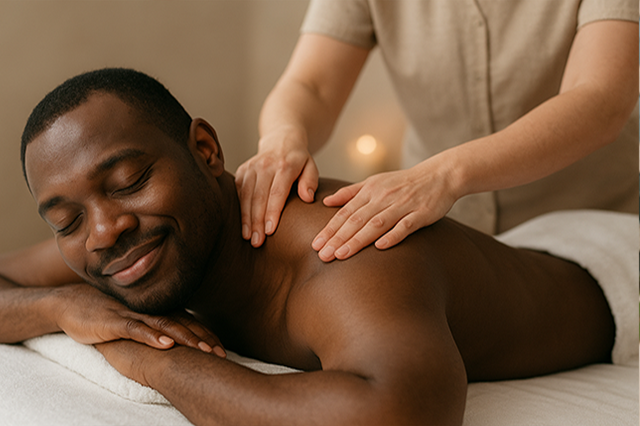
Your shoulders are tight, your jaw aches, and your mind just will not switch off. After a long week in Nairobi traffic and endless notifications, you walk into a quiet spa and the first thing you notice is the soft scent of lavender in the air. A therapist suggests an Aromatherapy Massage, a gentle treatment that uses calming touch and essential oils to help your body and mind let go.
Aromatherapy massage is a type of massage where the therapist blends plant-based essential oils into a light carrier oil, then uses smooth, flowing strokes to relax your muscles. As the oil sinks into your skin and you breathe in the scent, your nervous system starts to slow down, your breathing deepens, and your mood begins to shift. Spa lovers and people who want natural stress relief like it because it feels indulgent but still supports real wellness.
This kind of massage is popular with anyone who needs a soft, soothing reset instead of deep, painful pressure. Regular sessions can help ease tight muscles, improve sleep, lift low moods, and calm stress that sits in the neck, back, and head. In this guide, you will see what aromatherapy massage is, how it works, what happens in a session, how to choose the right oils, key safety tips, and a simple way to try a light version at home.
What Is Aromatherapy Massage and How Does It Work?
Aromatherapy massage is a gentle, relaxation-focused treatment that combines soft to medium-pressure bodywork with essential oils. The therapist dilutes concentrated plant oils, like lavender, eucalyptus, or chamomile, in a neutral carrier oil, then applies this blend to your skin during a full-body or focused massage. At the same time, the room is usually scented with the same oils, so you breathe them in while you relax on the table.
People have used fragrant plants with touch for a very long time. Ancient Egyptians massaged scented oils into the skin, Greeks wrote about herbal baths and oil rubs, and traditions in India and China used aromatic herbs in healing and body treatments. In the early 1900s, a French chemist burned his hand in the lab, plunged it into lavender oil, and was surprised by how quickly it soothed the pain. His later research helped shape modern aromatherapy as we know it today.
Aromatherapy massage works on two main pathways: smell and touch. When you inhale the aroma, tiny scent molecules travel through your nose to the limbic system, the part of the brain that handles emotions, memory, and stress responses. This is one reason certain smells feel instantly calming or uplifting. At the same time, the essential oils on your skin are absorbed in small amounts, while the therapist’s slow, flowing strokes help your muscles release tension, support healthy circulation, and calm an overactive nervous system.
On a modern spa menu in Nairobi, aromatherapy massage usually sits alongside Swedish, deep tissue, and hot stone sessions. It is the softer, more mood-focused option, great when you want to unwind, sleep better, or reset your mind after a heavy week in the city.
Aromatherapy Massage vs Regular Massage: What Is the Difference?
Regular massage focuses mainly on muscles, joints, and circulation. The therapist uses oil or lotion without scent (or with a very mild one) and adjusts pressure from light to very deep, depending on whether you want relaxation, pain relief, or sports recovery.
Aromatherapy massage includes all the benefits of regular massage, but adds essential oils for extra support with mood, stress, and sleep. The key differences are:
- Use of essential oils: Aromatherapy uses plant-based oils like lavender, peppermint, or ylang-ylang, diluted in a carrier oil. Regular massage usually uses unscented or lightly scented products.
- Smell and atmosphere: The room is filled with a gentle aroma that you breathe in throughout the session, which can feel soothing or refreshing.
- Emotional effects: Essential oils are chosen to match your needs, for example calming anxiety, easing mental fatigue, or lifting a low mood.
- Pressure and pace: Aromatherapy massage is usually light to medium-pressure, with slow, flowing strokes. It is not as intense as sports or deep tissue work.
Both styles can ease pain and tension. Aromatherapy massage simply adds a more holistic, sensory experience, ideal if you love scent and want your mind to relax as much as your body.
A Brief History of Aromatherapy Massage Around the World
Long before anyone said the word “aromatherapy,” people were already massaging fragrant oils into the skin. In ancient Egypt, priests and healers blended resins and plant oils and used them for beauty rituals, temple ceremonies, and body care. Greek writers later described herbal baths and oil massages as part of staying healthy, and Roman bathhouses carried these habits forward.
Across Asia, similar traditions grew. In India, Ayurveda used scented oils in massage to balance the body and mind. In China, classic texts recorded the use of herbs and aromatic plants to support wellness, some of which involved rubbing preparations onto the skin.
The modern story picks up in France in the early 1900s. A chemist badly burned his hand in an accident and quickly dipped it into pure lavender oil. He was struck by how fast the pain settled and how well the skin healed. That experience pushed him to study plant oils and later helped shape the word “aromatherapy.”
Today, aromatherapy massage blends this old plant wisdom with structured massage techniques. In spas and wellness centers around the world, therapists use those ancient scents in a modern, professional setting to help people relax, sleep better, and feel more balanced.
Key Benefits of Aromatherapy Massage for Body and Mind
Aromatherapy massage offers gentle support for your body, your thoughts, and your emotions. It can ease pain, calm stress, and help you feel more grounded, especially when life in Nairobi feels heavy. It should sit beside medical care, not replace it, so it is still important to follow your doctor’s advice.
Physical Benefits: Pain Relief, Muscle Relaxation, and Better Sleep
Long days at a desk, hours in traffic, or standing on your feet can leave your back, neck, and shoulders feeling locked. Aromatherapy massage uses slow, flowing strokes with warm, scented oils to soften tight muscles and improve circulation, which can ease everyday pain and stiffness.
For a tired office worker with a stiff lower back, gentle pressure along the spine and hips can reduce muscle knots and improve blood flow, so movement feels easier afterward. People with tension headaches often carry stress in the neck and jaw. Light work around the base of the skull and shoulders, paired with calming oils like lavender or peppermint, can help that band of pressure slowly release.
Studies report that massage with essential oils can give short-term pain relief for some people with arthritis or cancer-related discomfort, and can support better sleep. The evidence is mixed and usually low certainty, but many people say they feel more comfortable and rested after a session. Relaxed muscles, a quieter nervous system, and a calmer mind make it easier to fall asleep and stay asleep.
You might notice that, after a full-body aromatherapy massage, your limbs feel warmer and lighter. That is the improved circulation at work, carrying fresh blood to tired tissues and helping your body flush out waste products. All of this can add up to less stiffness, fewer aches, and a deeper, more refreshing sleep that leaves you better prepared for the next day.
Mental and Emotional Benefits: Less Stress, More Calm
Your sense of smell connects directly to the emotional center of your brain. When you inhale calming scents like lavender, chamomile, or sweet orange during aromatherapy massage, tiny scent molecules travel through your nose and signal the limbic system, which helps control mood, memory, and stress responses. This simple pathway is one reason a familiar smell can comfort you in seconds.
Combine that with slow, comforting touch and you get a powerful stress reset. Research shows that aromatherapy massage can lower feelings of anxiety, ease restlessness, and improve sleep quality in many people, even though study sizes are often small. Some studies also suggest it may reduce stress hormone levels for a short time, which matches what many clients report after their sessions.
If you feel burned out, emotionally drained, or on edge, lying on a warm table in a quiet room while breathing in soft scent can feel like someone has pressed the pause button on your stress. People who struggle with constant worry often describe their thoughts as “less loud” after a session. Others notice a lighter mood, more patience, and a greater sense of control, even when life around them has not changed.
Aromatherapy massage will not cure depression or severe anxiety, but it can be a gentle, supportive tool. Used alongside therapy, medication, or other treatments, it offers a safe space for your mind to rest, reset, and remember what calm feels like.
Wellness and Self-Care: Time Out in a Busy World
In a busy city, self-care can easily slip to the bottom of the list. Booking a 60 or 90 minute aromatherapy massage is a simple way to create a planned break where your only job is to relax.
A quiet room, soft music, and personalized essential oils turn the session into a small ritual. You leave your phone on silent, step away from screens, and let your mind slow down while your body unwinds. It feels like a VIP spa treat, but it also supports long-term wellness by lowering stress, easing tension, and helping you sleep better.
Instead of seeing aromatherapy massage as a guilty luxury, think of it as regular maintenance, like servicing your car. Your body and mind carry you through work, family, traffic, and late nights. Giving them focused care once in a while is not excess, it is smart, kind planning for your future health.
Popular Essential Oils Used in Aromatherapy Massage and What They Do
Essential oils are highly concentrated plant extracts, packed with strong scent and active compounds. In aromatherapy massage, they’re always mixed into gentle carrier oils so they spread well and stay kind to the skin. Used correctly, these blends turn a simple massage into a calm, mood-shifting experience.
Calming Oils: Lavender, Chamomile, and Ylang-Ylang
If your mind races or your body feels stuck in “fight or flight,” calming oils are your best friends. Lavender is the classic choice in aromatherapy massage for stress and sleep support. Its soft, floral scent helps quiet the nervous system, ease tension in the neck and shoulders, and create a safe, relaxed feeling.
Chamomile has a sweet, apple-like aroma that many people find soothing when they feel irritable or emotionally raw. In massage, it can help soften tight, protective muscles and send a gentle signal to the body that it’s okay to relax.
Ylang-ylang is richer and more exotic. It’s often used when someone feels wired, overwhelmed, or moody, because it can help balance emotions and soften anxious thoughts. Blends that combine these calming oils are popular for evening sessions or for clients who struggle with worry, overthinking, or trouble getting to sleep after a long day.
Energizing and Clearing Oils: Peppermint, Eucalyptus, and Citrus
Sometimes you walk into a session feeling flat, foggy, or heavy in your head. That is where fresh, bright oils help. Peppermint has a cool, minty scent that can make you feel more awake and clear. During massage, it gives a light, cooling feel on the skin and can make tired muscles feel refreshed.
Eucalyptus smells clean and airy. Many people enjoy it when they feel blocked up or heavy in the chest area, since the scent can give a sense of open, easier breathing. It also pairs well with deeper strokes on the back to create a “clean sweep” feeling.
Citrus oils like sweet orange or lemon bring instant brightness. Their sunny scent often lifts a low mood and cuts through mental dullness, a bit like opening a window in a stuffy room. These energizing oils are great in daytime massages or for people who feel drained, sluggish, or sleepy but still need to get through the day.
Comforting Oils: Frankincense, Sandalwood, and Other Warm Scents
Some days, stress is less about racing thoughts and more about feeling heavy inside. Warm, deep oils like frankincense and sandalwood are ideal for that slow, grounding kind of support. Frankincense has a resinous, slightly sweet scent that many people link with reflection and spiritual practices. In massage, it can help quiet mental noise and invite a sense of inner space.
Sandalwood is woodsy, smooth, and subtly sweet. It is often used when someone feels disconnected from their body or overwhelmed by grief, worry, or sadness. These richer oils encourage slower breathing, deeper presence, and a more centered mood. Clients who want a reflective, meditative aromatherapy massage often prefer these comforting scents over lighter florals or sharp mints.
Carrier Oils and Safe Blending Basics
Because essential oils are so strong, they always need a carrier oil before they touch your skin. Carrier oils are mild, nourishing plant oils like sweet almond, jojoba, or grapeseed. They dilute the essential oils, help them glide smoothly during massage, and reduce the risk of irritation.
For most adults, a simple safe range is 1 to 2 percent dilution. That means only a few drops of essential oil per tablespoon (or per ounce) of carrier oil, not a full capful. Therapists measure carefully so the blend smells lovely but still respects your skin.
It’s important to remember: never apply pure essential oils straight onto the skin. They can sting, burn, or cause allergic reactions. Avoid sensitive areas such as the eyes, inner nose, and any broken or damaged skin. When blended with care, the result is a comfortable, aromatic massage that feels luxurious and safe.
What to Expect During a Professional Aromatherapy Massage Session
Knowing what will happen from the moment you walk in to the moment you leave makes it much easier to relax. A good aromatherapy massage should feel safe, unhurried, and respectful from start to finish. Here is how a typical visit to a professional spa or VIP-style massage center in Nairobi usually flows.
Before Your Session: Consultation, Preferences, and Choosing Oils
Your session normally starts with a short, friendly chat. The therapist will ask about your health history, recent injuries, medications, allergies, and any skin issues. They will also check for pregnancy, high blood pressure, or other conditions that might affect which oils or techniques are safe for you.
You will talk about what you want from the treatment, for example deep relaxation, less pain, or better sleep. Based on your goals, the therapist suggests specific essential oils or blends, then explains how they might help you feel calmer, clearer, or more comfortable. Many Nairobi spas, like Nuru VIP Massage, also describe these options in detail on their page about aromatherapy massage and spa services in Nairobi.
This is the time to be honest about scents you dislike or any past reactions, even if they seemed minor. If a smell reminds you of something unpleasant, say so. Your therapist’s job is to adjust, swap oils, or simplify the blend so the whole experience feels soothing, not overwhelming.
During the Massage: Techniques, Pressure, and Room Atmosphere
Once the consultation is done, your therapist will show you to a quiet treatment room. Expect soft lighting, calm music, clean linens, and a light, pleasant scent in the air. In a professional spa or VIP-style center in Nairobi, privacy, respect, and hygiene are taken seriously, so you should feel at ease from the start.
The therapist will step out so you can undress to your comfort level, usually down to underwear, then lie on the table under a sheet or towel. Only the area being worked on is uncovered, so you stay covered and comfortable at all times.
During the aromatherapy massage, you will feel long, gliding strokes that spread the warm oil, gentle kneading to soften tight muscles, and light, steady pressure that encourages your body to relax. The pace is usually slow and rhythmic. If the pressure feels too light or too intense, you can ask the therapist to change it at any time. A simple “can you go softer” or “a bit more pressure, please” is enough, and a trained therapist will adjust right away.
After Your Session: Hydration, Rest, and Subtle Effects
When the massage ends, your therapist will let you know and give you a moment to rest. Take your time. Move slowly, sit up first, and only stand when you feel steady. Many people feel a bit floaty or sleepy, so it helps to sit for a minute before leaving the room.
Drink some water afterward to support circulation and help your body process the session. Some people feel deeply relaxed and ready for a nap, while others feel lighter, clearer, and more focused. Subtle shifts, like better sleep, less neck or back tension, or a softer mood, often show up over the next 24 hours. When you book aromatherapy massage on a regular schedule, these benefits tend to last longer and become part of how you manage stress day to day.
How to Enjoy Aromatherapy Massage at Home Safely
Home aromatherapy massage should feel light, simple, and relaxing, not stressful. Think of it as a short, gentle reset between professional sessions, focused on easy-to-reach areas like your feet, shoulders, hands, or neck. The goal is calm, not complex technique.
Always remember: essential oils are strong. Use small amounts, keep sessions short (about 10 to 20 minutes), and stop if your skin or breathing feels uncomfortable. With that in mind, you can create a lovely, safe ritual at home.
Simple Home Aromatherapy Massage Routine
You do not need advanced skills to enjoy a soft, relaxing aromatherapy massage at home. Keep it short, light, and kind to your body.
Try a simple blend such as a few drops of lavender in a carrier oil like sweet almond or grapeseed, using a low dilution. Wash your hands first, then choose a quiet spot with soft lighting and, if possible, calm music. Put your phone aside so you are not tempted to check messages.
Place a small amount of your diluted oil in your palm and rub your hands together to warm it. Work on one small area at a time:
- For feet, use slow strokes from heel to toes and gentle circles around the ankles.
- For shoulders or neck, glide your hands from the base of the neck out toward the shoulders, keeping pressure light.
- For hands, massage the palm with your thumb, then gently squeeze and roll each finger.
Keep your breathing slow and match your touch to that rhythm. Focus on steady, mindful contact rather than strong pressure. If anything feels painful or sharp, soften your touch or stop. A home aromatherapy massage should leave you feeling soothed, not sore.
Safety Tips: Dilution, Patch Tests, and When to Avoid Oils
Safety comes first with any home aromatherapy massage. Essential oils must always be diluted in a carrier oil. For healthy adults, a 1 to 2 percent dilution is usually enough, which means only a few drops in a spoonful of carrier oil, not a large splash. More drops do not give more benefit, they raise the risk of skin burns, headaches, or nausea.
Before using a new oil on larger areas, do a patch test. Apply a tiny amount of the diluted blend to the inside of your forearm and wait up to 24 hours. If you notice redness, itching, or a rash, wash it off with more carrier oil and avoid that oil in future.
Never use essential oils near the eyes, inside the mouth, deep in the ears, or on broken, irritated, or freshly shaved skin. Some groups need extra care or medical advice before using oils at all, including:
- Pregnant people
- Anyone with asthma or epilepsy
- People with very sensitive skin, eczema, or allergies
- Those with serious health issues or on many medications
Children need special caution and often little or no essential oil on the skin. If you are unsure, skip the oils and use plain carrier oil with gentle touch instead. When in doubt, stay on the lighter side and seek guidance from a health professional.
Partner Massage: Clear Communication and Comfort
Aromatherapy massage with a partner can deepen connection, as long as both people feel safe and respected. Before you start, agree on scent, pressure, and areas to avoid, and check for any allergies or health issues.
Begin with short sessions of 10 to 15 minutes. Ask simple questions like “Is this okay?” or “Softer or firmer?” and really listen to the answer. The person receiving should feel free to say “stop” or “move to a different area” at any time, without guilt.
Keep the focus on comfort, not performance. If anything feels painful, too intense, or emotionally uncomfortable, pause and adjust or end the massage. With clear boundaries and kind communication, a home aromatherapy massage becomes a shared, soothing ritual instead of a source of tension.
Who Should Avoid Aromatherapy Massage and When to Talk to a Professional
Most healthy adults can enjoy aromatherapy massage safely. Still, there are times when you need extra care, a few adjustments, or clear advice from a doctor before you book a session in Nairobi.
A simple rule helps: always share your full health story with your therapist, and if you feel unsure, check with your doctor first.
Health Conditions and Situations That Need Extra Care
Certain health issues do not always rule out aromatherapy massage, but they do change how it should be done.
Common situations that need caution include:
- Pregnancy: Pregnant clients usually need gentler pressure and pregnancy-safe oils in low amounts. Always tell your therapist how far along you are and ask your doctor before your first session.
- High or low blood pressure and heart problems: Strong heat, very firm massage, or stimulating oils can be too much for the heart. People with high blood pressure, chest pain, or past heart attacks should get medical advice first.
- Epilepsy: Some essential oils may trigger seizures in sensitive people. If you live with epilepsy, your therapist might skip certain oils or avoid aromatherapy altogether unless your neurologist agrees.
- Asthma and breathing problems: Strong scents can tighten the chest or trigger coughing. Ask for very mild oils, good air flow, or even a massage without aromatherapy.
- Allergies and skin conditions: Eczema, psoriasis, contact allergies, or very sensitive skin need gentle, plain carrier oils and patch tests. Your therapist can avoid problem areas or keep blends very simple.
- Recent surgery or injury: Fresh scars, stitches, sprains, or fractures should not be massaged. Often, the therapist will only work around the area after your doctor says it is safe.
- Blood-thinning medicines: If you take anticoagulants, deep pressure may bruise or damage tissues. Lighter strokes and clear boundaries are safer.
- Cancer or cancer treatments: Massage can still help many people in treatment, but it must match your doctor’s advice. Pressure, timing, and oil choices may need to change.
- Fever or infection: When your body is fighting an infection, massage can overload your system.
A good therapist will never push your limits. They will happily adjust the pressure, skip certain oils, or even suggest you wait and see your doctor first.
Red Flags: When to Skip Massage Altogether
Some situations call for a clear pause. In these cases, medical care comes first, aromatherapy massage can wait.
Avoid massage if you have:
- Open wounds, severe burns, or fresh stitches
- Active skin infections or contagious rashes
- Very high fever or flu-like illness
- Strong allergic reactions or recent anaphylaxis
- Uncontrolled chest pain, severe breathlessness, or sudden dizziness
If you feel sharp pain, short of breath, very lightheaded, or your symptoms suddenly change, stop the session and seek medical help. Your body is giving you a message. It is always better to wait, get checked, then return to massage when it is truly safe and comfortable.
Conclusion
Aromatherapy massage is a simple, gentle way to care for both body and mind using touch and scent. Soft, flowing strokes calm tight muscles, while thoughtful essential oils support easier breathing, better sleep, and a lighter mood. You get a full reset, not just for your back and shoulders, but for your nervous system and emotions too.
During a professional session you can expect a friendly chat about your health, a relaxed room with quiet music, and a customized blend that suits your needs. The therapist keeps the pressure easy to handle and checks that you feel safe and comfortable. Afterward, effects often unfold slowly, with looser muscles, deeper rest, and a softer mental load over the next day or so.
Safe use of essential oils is key. Diluted blends, patch tests, and clear communication about allergies or medical issues protect your skin and your breathing. Home routines with a few drops of lavender or citrus in a carrier oil can be a light support between visits, especially for tired feet, hands, or shoulders.
If you want the full, guided experience, booking a professional aromatherapy massage at a trusted Nairobi spa or wellness center is the best next step. With regular sessions and simple at-home rituals, you can build small islands of calm into your week and give yourself a realistic, enjoyable way to feel more grounded and comfortable in daily life.